Everything you need for your first wild camp
Heading out for your first solo wild camp? We salute you. There's something quietly brilliant about doing it on your own. No one to wait for. No decisions to negotiate. Just you, your kit, and the wild landscape rolling out in every direction.
But before you go, you'll want to make sure your packing list is dialled. You don't need top-of-the-line kit or a wallet-draining shopping spree to sleep well outside — you just need the right basics, chosen carefully for the season and the spot. Here's a stripped-back, GBAC-approved solo camping kit list to get you started.
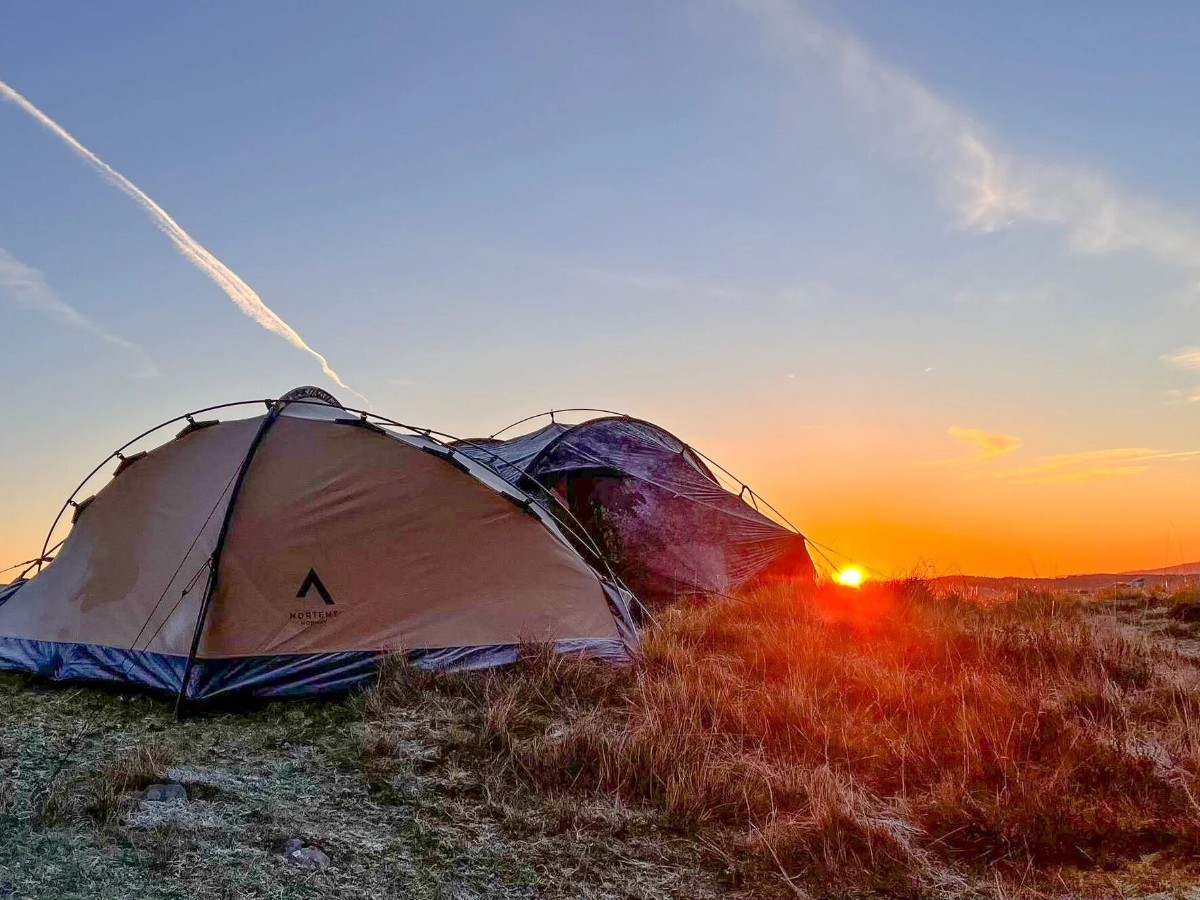
1. A tent
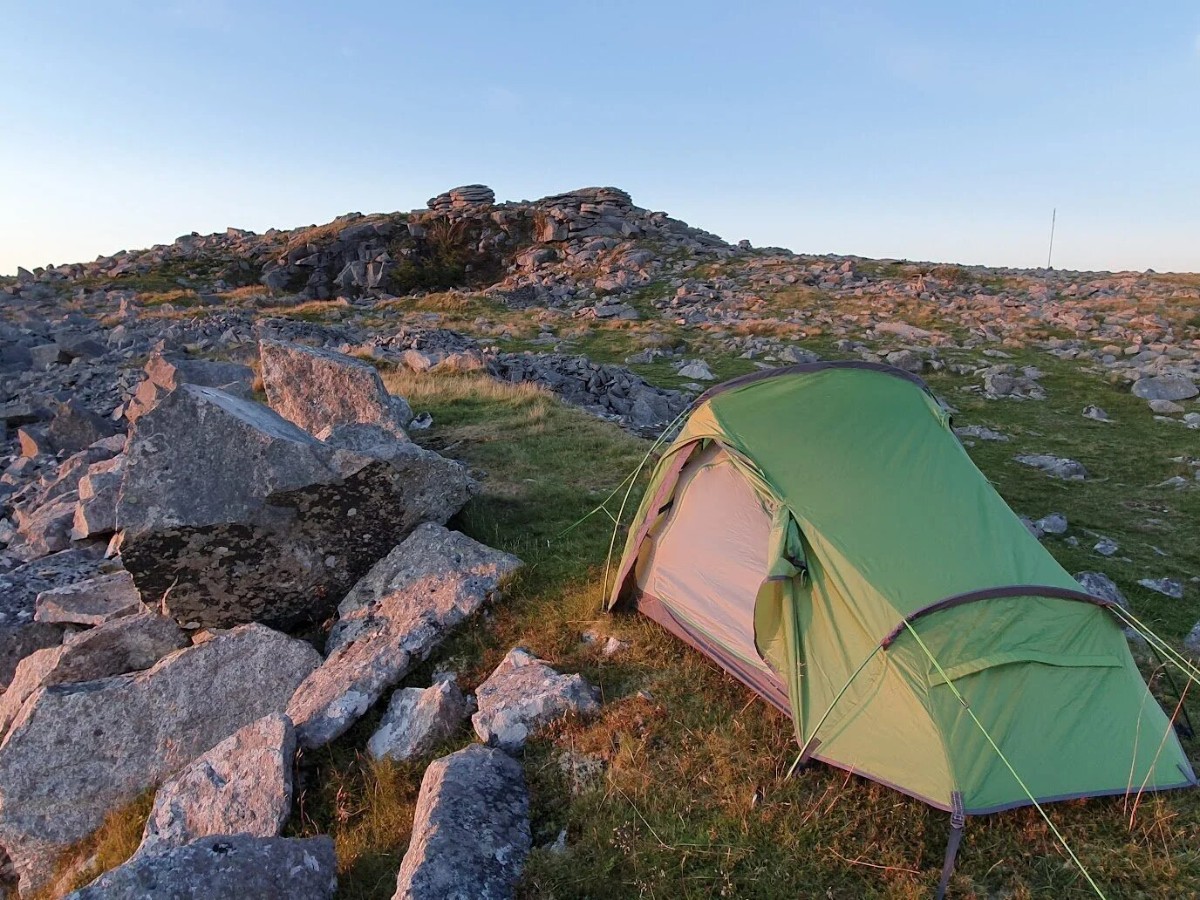
Don't overthink this one. For your first few solo overnighters, you don't need a premium thru-hiking tent or ultralight shelter — just something compact, weatherproof, and easy to pitch. If you're looking to buy, Go Outdoors and Decathlon stock great budget-friendly options, and we've reviewed plenty of lightweight tents to help you choose. But honestly? The best advice we can give is to borrow a tent from a friend. Try it out. See what works.
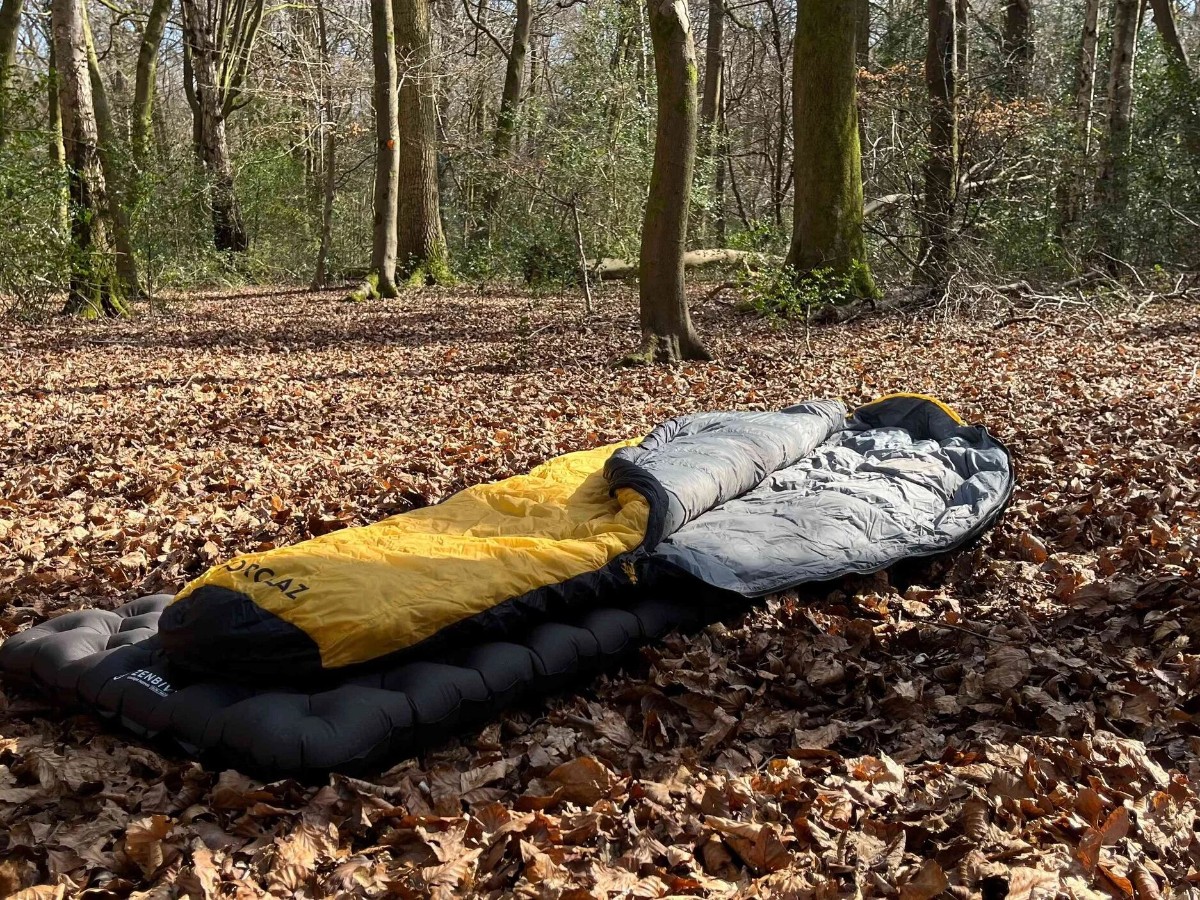
2. A sleeping bag or quilt
Pick one that suits the actual temperature, not just the marketing. Sleeping bags often come with multiple ratings — comfort, limit, and extreme — but it's the comfort temperature you want to pay attention to. That's the temperature at which most people can sleep soundly through the night. The extreme rating? That just tells you the temperature at which you'll probably survive — not a standard you want to test.
For the best night's sleep, choose a bag with a comfort rating at least 5°C below the forecasted overnight low. That extra margin means you'll stay warm even if the wind picks up, your pad underperforms, or the forecast was a bit off. Quilts can be a great option in summer — light, packable and often cheaper — but don't sacrifice comfort to shave a few grams. A warm, uninterrupted night in the wild is worth its weight in sleep.
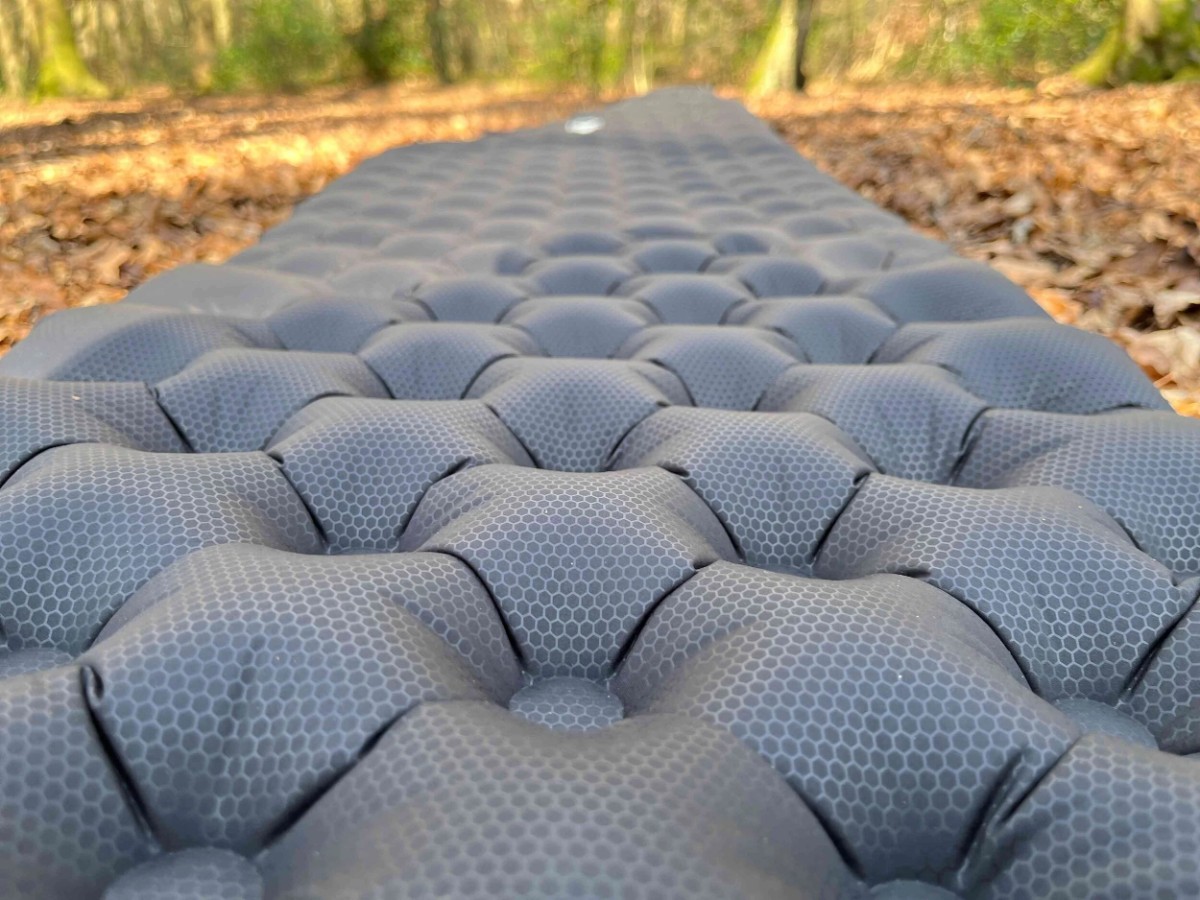
3. A suitable sleeping pad
Sleeping on the ground without a decent pad? Miserable. A warm, insulated sleeping pad is what separates "wild camping" from "lying cold on some rocks." You don't need to break the bank here, but do make sure it's rated for the season you're in — especially if you're heading out in spring or autumn. Check out our sleeping pad reviews to get a feel for what's out there.
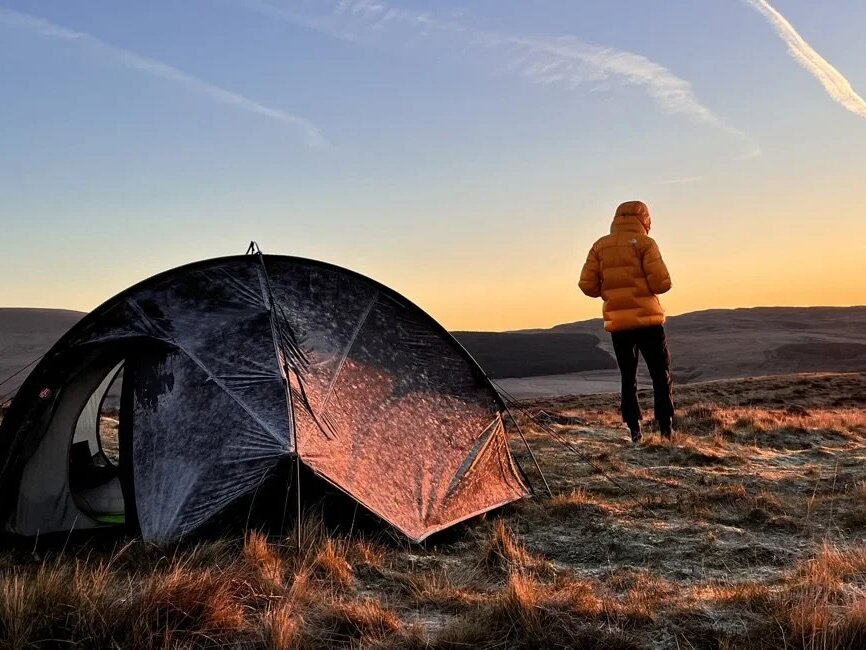
4. A warm jacket
You'll need one. Even in summer, the temperature drops fast once the sun goes down — especially if you're in a valley or up on a ridge. Take something packable and wind-resistant, and throw it on as soon as you stop moving. Down, synthetic, fleece, or that burly winter jacket you got for Christmas one year — it doesn't matter. Warm is warm.
5. A headtorch
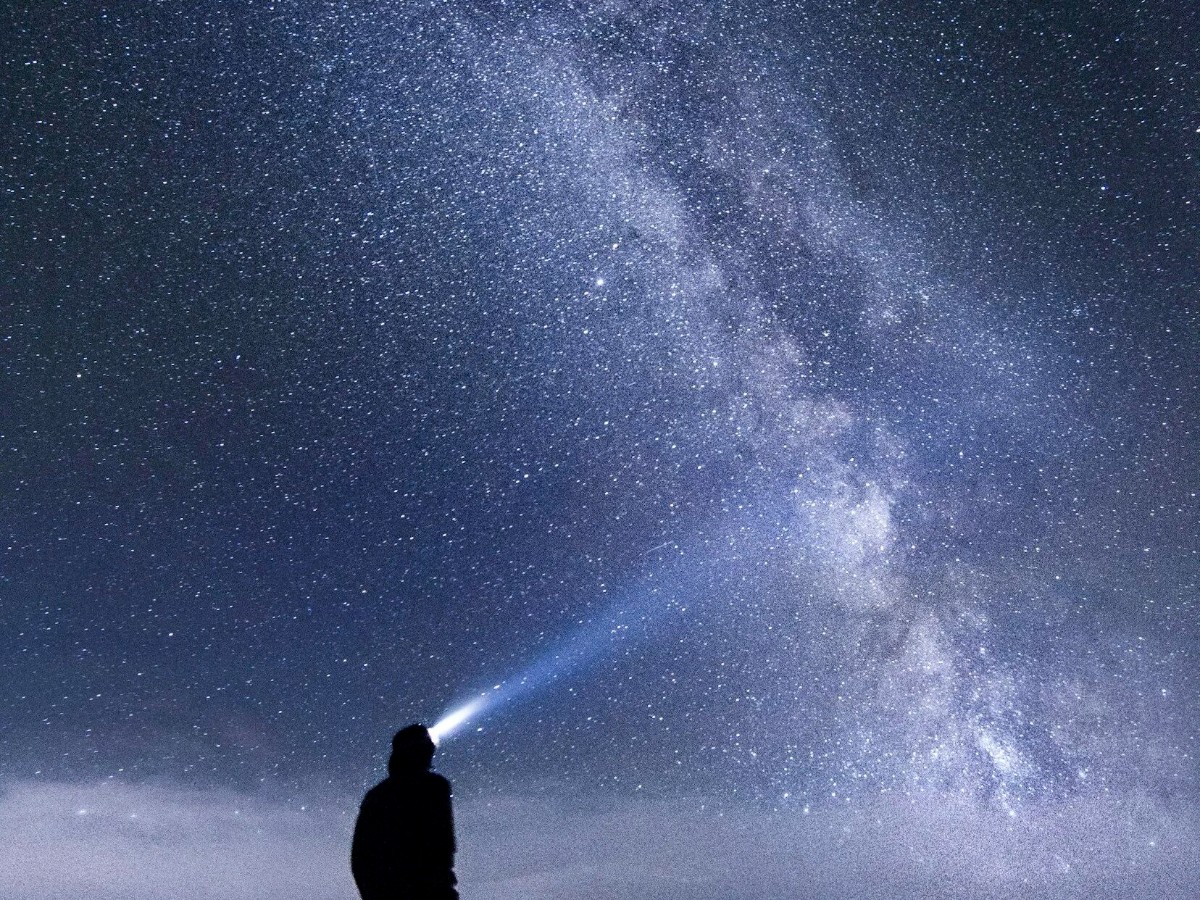
We consider this an essential bit of solo camping kit — not just for convenience, but for safety. Whether you're pitching at dusk, nipping out for a midnight loo break, or dealing with a change of plans in the early hours, a good headtorch means you can see clearly and move confidently
Yes, your smartphone has a torch function — but that's not enough. Trust us. If you ever need to pack up and walk out across open ground in the dark, a proper headtorch will light your path, keep your hands free, and help you avoid trip hazards or poor terrain. Go for something lightweight, bright (150 lumens minimum), and with a decent battery life.
6. A debit or credit card
Finally, this little sliver of plastic weighs five grams, takes up no room, and could be the most useful bit of kit in your pack. It can buy you a hot meal, a lift, a room, or just a second breakfast when you pass a café the next morning. Bring one — even if you normally use your phone to pay. No battery = no tap-to-pay.
Quick tip
Banking on a brew? Bring a flask or a stove.
If you're hoping for a hot coffee or tea at camp, you've got two choices: bring a proper flask that can keep water hot for 24 hours, or pack a simple stove. You don't need to splash out on a JetBoil at this stage — Go Outdoors and Decathlon both stock great budget-friendly options that'll boil water quickly without weighing you down (or the ever-popular BRS stove from Amazon will also do the trick). Just don't forget to pack a gas canister, too.
And that's it. We'll see you out there.
Solo wild camping is one of the best ways to reconnect with the landscape — and yourself. You don't need perfect kit, years of experience or a heroic mindset.
You just need the basics, a little bit of planning, and the willingness to give it a go.
Share your experiences with us
When you get out there, let us know how it goes. We'd genuinely love to hear about your first solo overnighter, your kit setup, or the view from your tent porch. Tag us on Instagram @greatbritishadventureclub to share your wild camping story — we're always excited to see where you end up.