Where to wild camp in the UK
If you're thinking about trying wild camping in the UK, you're not alone. The idea of packing light, heading for the hills and bedding down under the stars appeals to more and more people every year. But we get it — knowing where you're actually allowed to camp is half the battle.
In this guide, we'll walk you through the best places to wild camp legally in the UK, share some practical advice for beginners, and (crucially) help settle that most common fear: what if I get moved on?
Let's put that worry to bed.
The best places to start wild camping in the UK
If you're new to it all, it makes sense to begin in areas where wild camping is actually permitted. That way you can enjoy your first nights out without the added stress of wondering whether you're doing something wrong.

Wild camping in Scotland: the most permissive place in the UK
If you're looking for a worry-free introduction to wild camping in the UK, there's no better place to start than Scotland. Thanks to the Land Reform (Scotland) Act 2003, wild camping on most unenclosed land is entirely legal — as long as it's done responsibly.
That right is protected under the Scottish Outdoor Access Code, which sets out the dos and don'ts of access rights in Scotland. In short, it allows you to pitch your tent almost anywhere in the uplands, forests and moorlands, provided you follow a few simple rules:
- Camp in small numbers (ideally one or two tents)
- Stay a maximum of two or three nights in any one spot
- Avoid enclosed fields, farmland, and private gardens
- Don't camp near buildings, roads, or historic sites
- Take all your rubbish with you — including food waste
- Never light open fires — use a stove instead
This isn't just a set of suggestions — it's a social contract. By sticking to these principles, we help preserve the right to roam for everyone else.
You can find a full breakdown of the law and best practice on the NatureScot website, along with useful resources for trip planning.

Where to go wild camping in Scotland
Thanks to its sheer size, low population density and open access rights, Scotland is one of the best countries in the world for wild camping. Some ideal starting points include:
- The Cairngorms National Park — a vast wilderness of plateaus, ancient woodland, and mountain lochs. Wild camping is welcomed when done responsibly.
- Loch Lomond & The Trossachs — breathtaking, but busy. Between March and September, some areas require a camping permit, so be sure to check before you go.
- Knoydart Peninsula — remote, rugged, and reachable only by boat or foot. A classic choice for confident campers looking to escape the crowds.
- Assynt & Sutherland — a geologist's dream in the far northwest, with wild ridgelines, lochs and some of the best pitch-and-swim spots in Britain.
Before heading out, always check the latest local guidance, and be prepared for sudden weather shifts with help from the Met Office. You'll also want a physical OS map to navigate the more remote regions — signal can be patchy, and the ground often rough.
Quick guide
Wild camping in Scotland
Legal? Yes — under the Scottish Outdoor Access Code.
Where? Most unenclosed land: hills, moorland, forests, lochsides.
Key rules:
- Camp in small groups
- Stay max 2–3 nights
- Avoid enclosed fields and private land
- Take all litter and waste with you
- No fires — use a stove
Top resource: NatureScot Wild Camping Guide

Wild camping on Dartmoor: England's last legal stronghold
Dartmoor is currently the only place in England where wild camping is legally permitted without needing explicit permission from a landowner, thanks to a historic tradition recently upheld by a High Court ruling.
That said, not all of Dartmoor is fair game. To camp here responsibly (and legally), you need to use the official camping map provided by the Dartmoor National Park Authority.
Dartmoor wild camping map: see where you can camp →
Areas marked in purple are where backpack or wild camping is permitted, as long as:
- You're on foot, not in a vehicle or campervan
- You're using a small, lightweight tent
- You stay just one night in the same location
- You leave no trace
If it's not purple, don't pitch there. The map is regularly updated and also shows landowner withdrawal zones, where wild camping is no longer allowed.
Watch out for firing zones
It's also crucial to remember that parts of Dartmoor are military training areas, used by the Ministry of Defence for live firing exercises. These zones are mostly in the north and centre of the moor and are clearly marked on OS maps.
Before planning your trip, check the latest firing times here:
Dartmoor firing notices: check firing times →
These notices show the dates and locations of upcoming exercises, so you can safely avoid any areas in use. Signs are also posted on-site, but it's best to plan ahead.
Quick guide
Wild camping on Dartmoor
Legal? Yes — in specific areas shown on the official camping map.
Where? Only in purple-marked zones on the Dartmoor National Park Authority map.
Key rules:
- Arrive on foot — no car camping
- Stay 1 night max
- Use small, lightweight tents
- Pack out all rubbish
- Stay away from farmland and buildings
Important: Some areas are military firing zones. Check MOD Dartmoor firing times before heading out.

What about the rest of the UK?
Outside of Scotland and Dartmoor, wild camping without landowner permission is technically illegal in England, Wales and Northern Ireland. That said, it's been quietly tolerated in many upland areas for years — especially in our national parks.
The key is discretion and respect. Here's how to wild camp in these areas with minimal risk and maximum care:
- Arrive late, ideally around dusk
- Leave early, before anyone's about
- Pitch well away from paths, roads, homes and livestock
- Stay only one night
- Never light a fire
- And most importantly — leave no trace
If you're asked to move on, be polite and pack up. But the truth is, this rarely happens if you're quiet, respectful, and tidy.
What are the chances of being moved on?
This is a common worry, so it's one we tossed out to our club members to see if we could get a sense of how often it actually happens. And you know what we realised? Not one of us has ever been moved on. We've wild camped in wild spaces all over the UK and spent a combined several hundred nights outside. And we've never been shifted. Not once.
Now, that's not to say it won't happen to you. But as long as you're considerate about where you pitch your tent, the statistics seem to be on your side.

Wild camping without the worry
Let's be honest — the fear of being moved on is one of the biggest anxieties people face when thinking about wild camping for the first time. It's awkward, unsettling, and can feel like you've done something wrong.
But here's the reality: if you choose your spot well and camp responsibly, you're unlikely to be bothered. Especially if you start in places like Scotland or Dartmoor, where the rules are clearer and your right to roam is protected.
Learn the basics. Get comfortable with your kit. Stick to the Leave No Trace principles. And take it one night at a time.
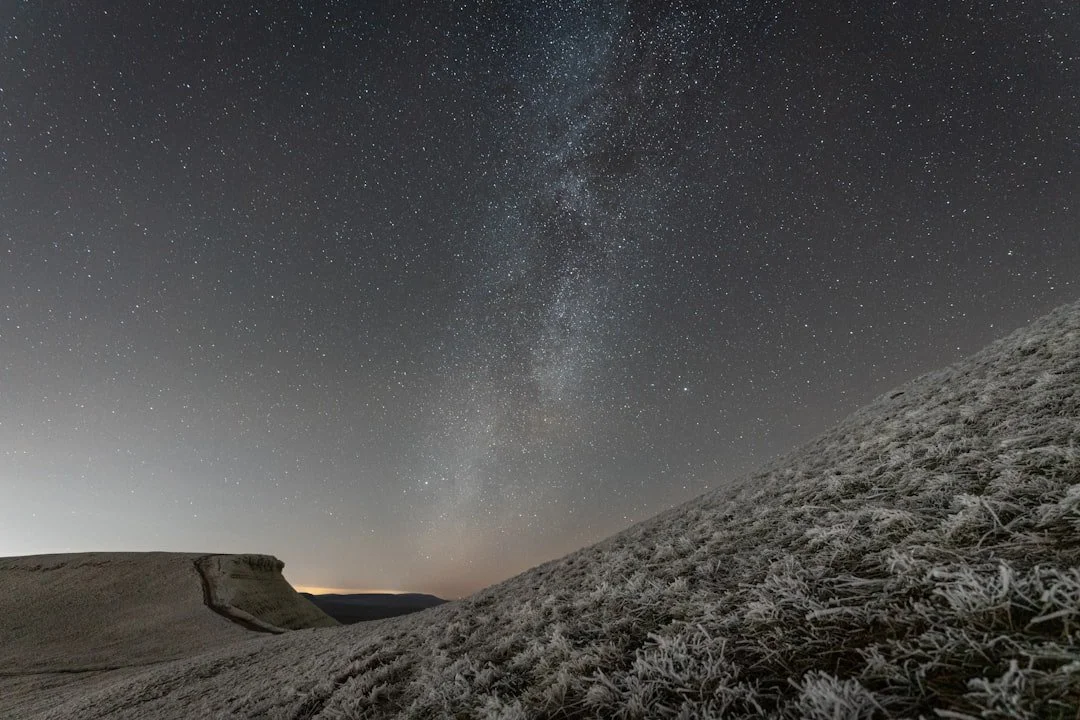
Wild camping in the UK — done right — isn't just legal in some places. It's also magical, meaningful, and one of the best ways to fall in love with the British landscape all over again.
Share your experiences with us
When you get out there, let us know how it goes. We'd genuinely love to hear about your first solo overnighter, your kit setup, or the view from your tent porch. Tag us on Instagram @greatbritishadventureclub to share your wild camping story — we're always excited to see where you end up.