
Andrew William
Consulting Editor
In 2024, JD Sports-owned brand OEX released a line of ultralight tents that represent some serious value for money. Sold exclusively through JD’s range of outdoor retailers, such as Go Outdoors, Blacks and Millets, the new line represents the first time this outdoor powerhouse has started selling backpacking gear this light. So how have we found the shelters so far? And are they worth a punt if you’re desperately trying to save some grams off your set-up this season?
Say hello to Ultralite: OEX’s new lightweight line of tents
Go Outdoor’s own brand OEX has long been a staple of the UK wildcamping scene. The Phoxx 1, the Bobcat and the Jackal are some of the most ubiquitous lines you’ll see out on the hills, especially in summer. And their line of packs, pads and sleeping bags (such as the ever-popular OEX Leviathan EV 900 sleeping bag) represent market-leading value for money. In our experience, then, simply reducing OEX to ‘that brand sold by Go Outdoors’ is a little too reductive. Their kit is well-designed, built for purpose, and — for the most part — represents very good value.
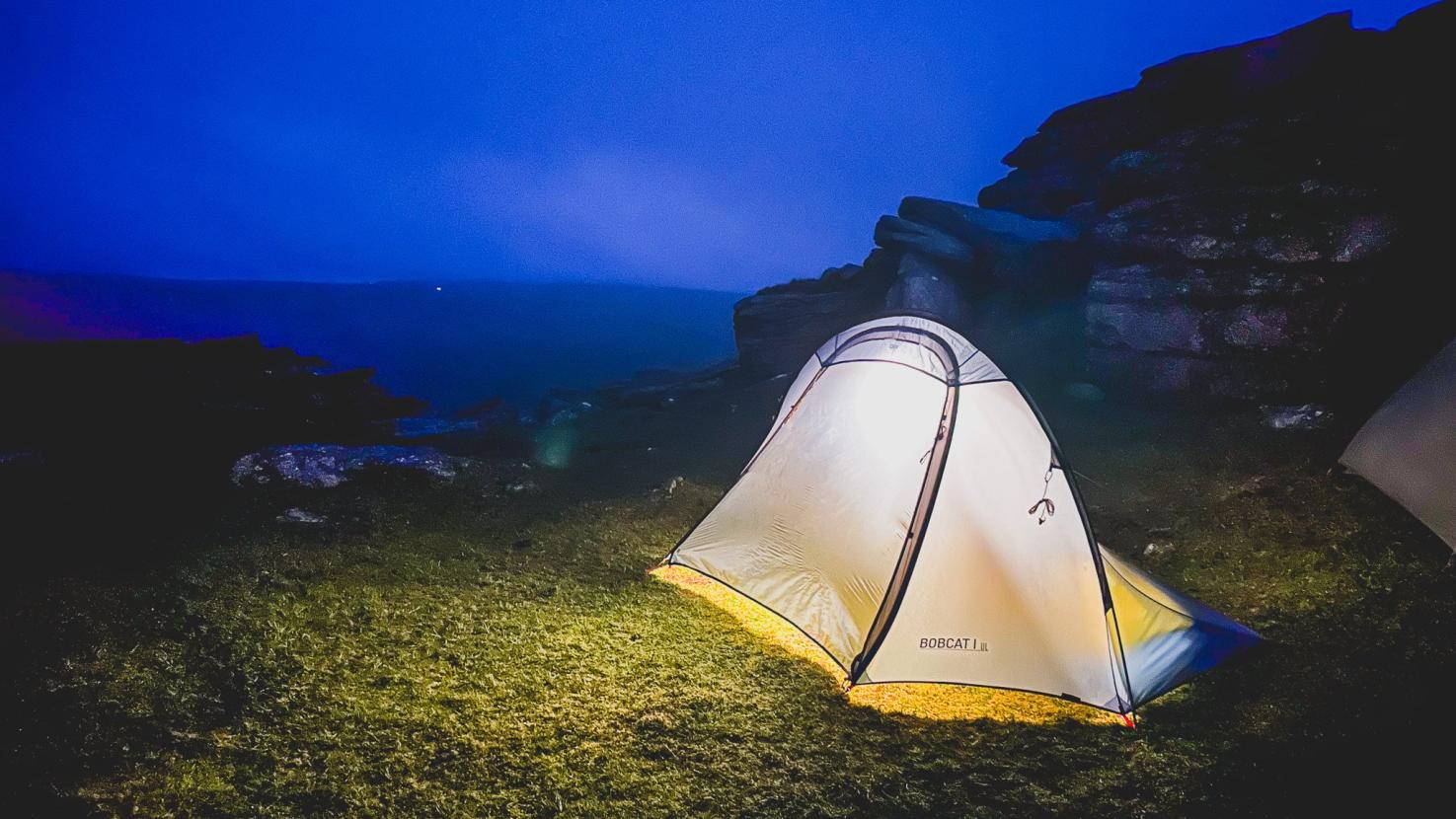
That’s why we were pleased to see OEX roll out a line of ultralight tents through May 2024. Featuring re-imagined, ultralight versions of old classics, such as the Phoxx and the Bobcat, the range also includes a brand-new ‘Ultralite’ tarp in the Feral and some larger shelters in the Bandicoot and the Pantha. Thankfully, once these tents hit shelves through May 2024, we were able to get out in several of their new lines for a multi-day testing trip across Dartmoor National Park. And despite approaching this with a certain degree of scepticism, we left nothing but impressed.
Interested in buying one of OEX’s new ‘Ultralite’ tents?
Read our full in-depth reviews of two of their lines:
What’s new with the OEX ‘Ultralite’ range
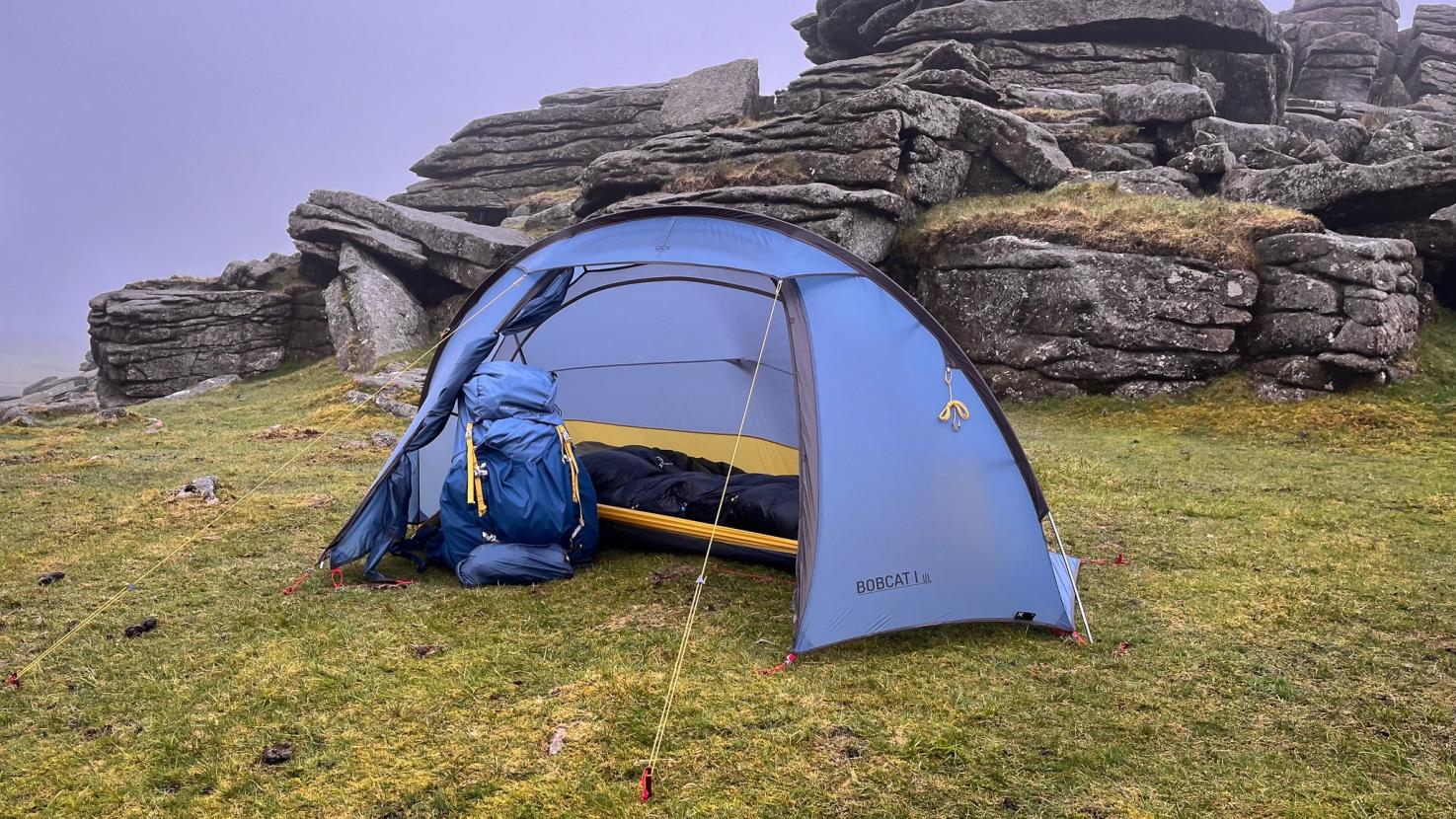
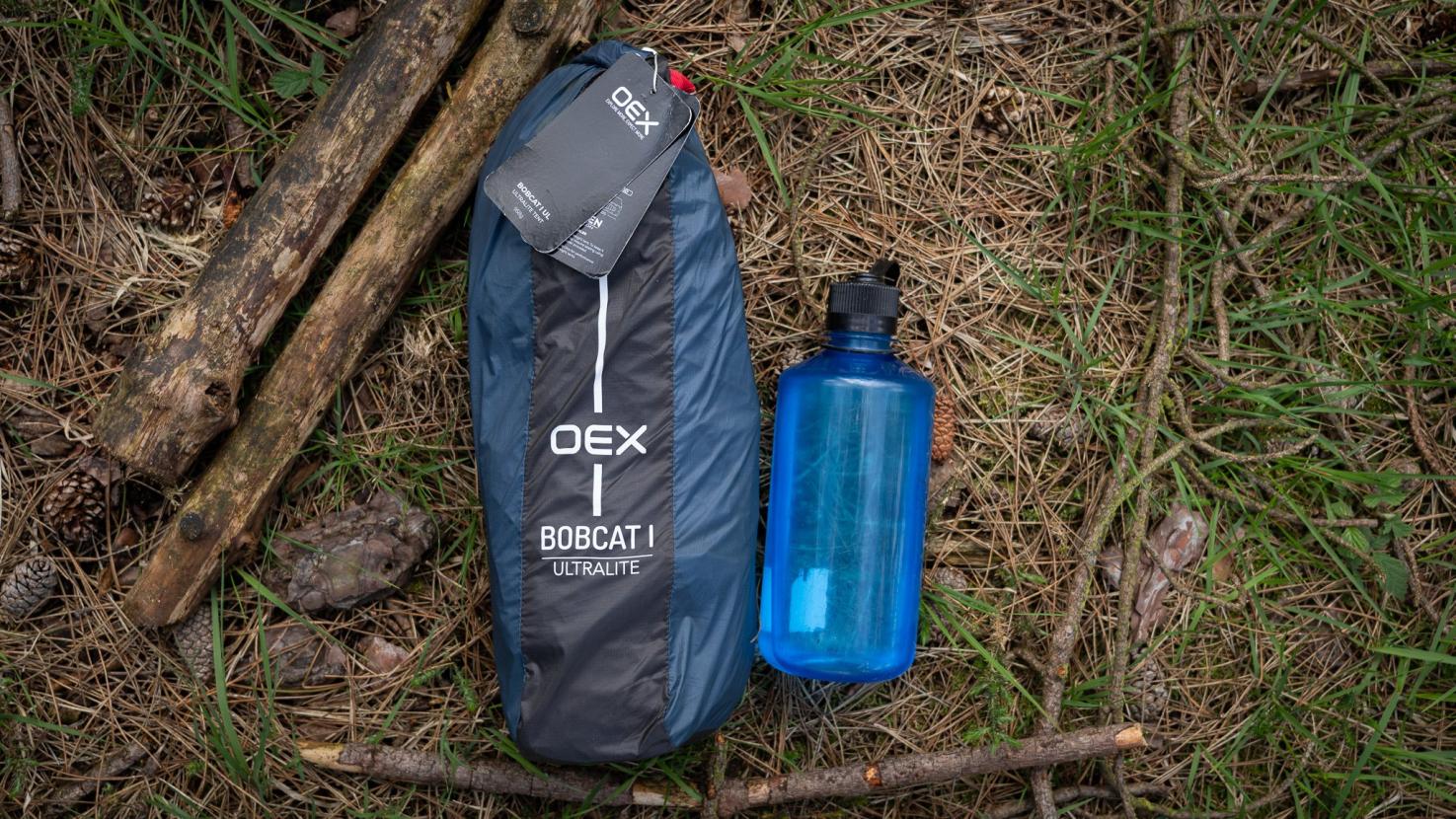
When compared to the older models, OEX’s new Ultralite range represents some serious weight savings. Take the re-imagined version of the old OEX Bobcat 1, for example, the OEX Bobcat 1 Ultralite: This weighs only 958 g (instead of the original Bobcat’s 1.9 kg pack weight), and packs down to a tiny pack size that is about half as small as its predecessor. A similar story can be told for the all-new OEX Phoxx 1 Ultralite. This weighs 860 g versus the original’s 1.58 kg, which represents a near 50-percent weight saving for what is practically the same tent.
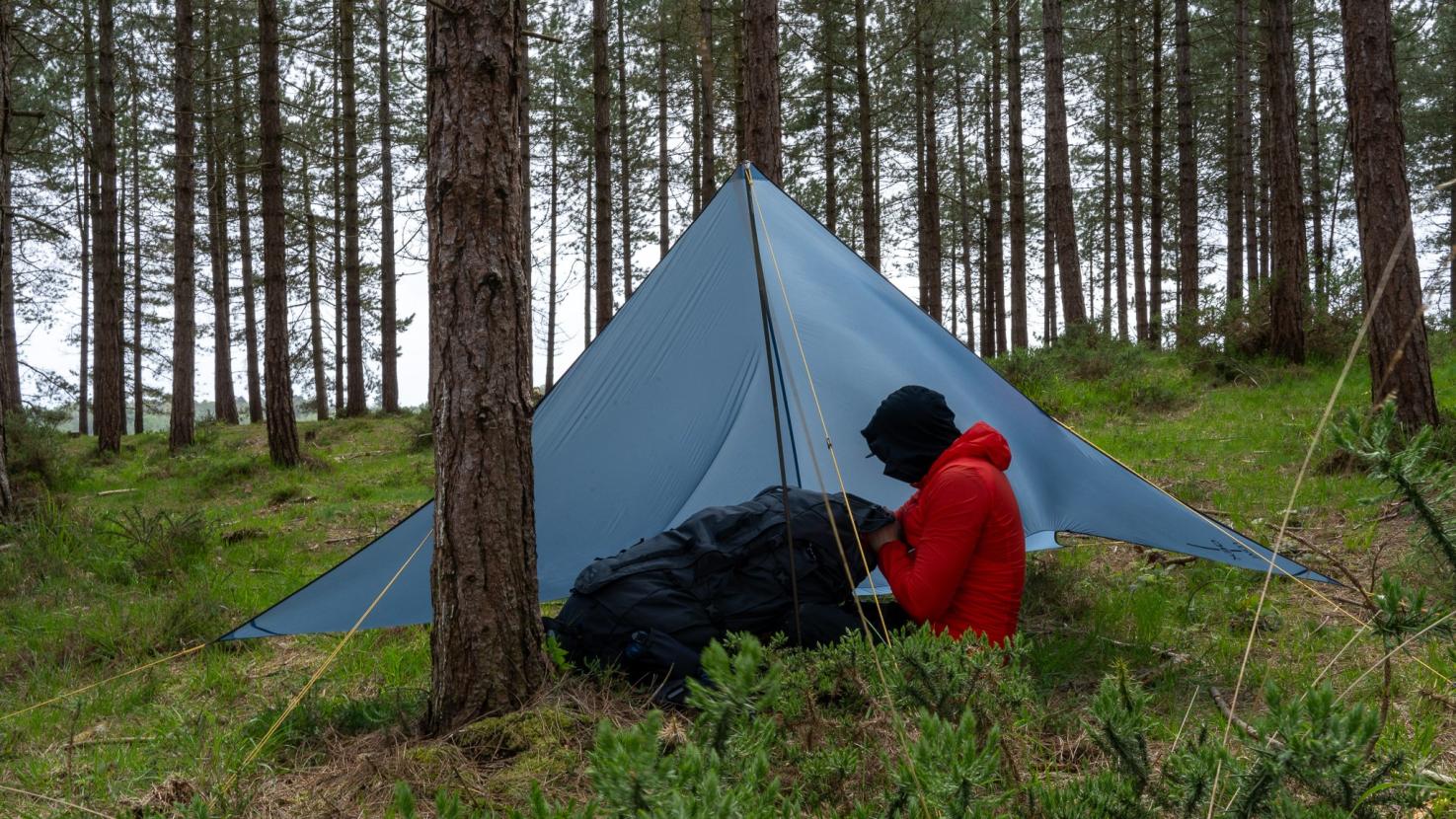 The all-new OEX Feral Tarp.
OEX has been able to knock off so many grams primarily down to using updated, lighter materials. Whereas the old lines use heavy-duty polyester, the flysheets of the new OEX ‘Ultralite’ range are manufactured from a 10D N-Liten Sil/Nylo with a 1,500 mm hydrostatic head rating. Granted, that means that the new flysheets are super thin and much more fragile than their predecessors, but it also makes them much lighter and more packable. When it comes to changes to the inners, similar decisions have been made. Inside, the tents comprise a 15D nylon mesh, and the ground sheets are made from a 10D nylon ripstop material with a 3,000 mm hydrostatic head.
 The OEX Phoxx 1 Ultralite
This does have the negative side effect of making the new ‘Ultralite’ tents slightly less robust, however. The hydrostatic head ratings across the full range are 1,500 mm versus the 5,000 mm rating the original versions had, and the seams of the new lines all need to be ‘sealed’ before use. Additionally, you may want to pair your new Ultralite OEX tent with a groundsheet if you’re camping on anything but pristine grass. But a simple lightweight sheet of polycryo will do the trick — which costs very little and will prevent your pack weight from increasing by more than a few grams.
Does OEX’s new range of ultralight tents really need to be seam-sealed?
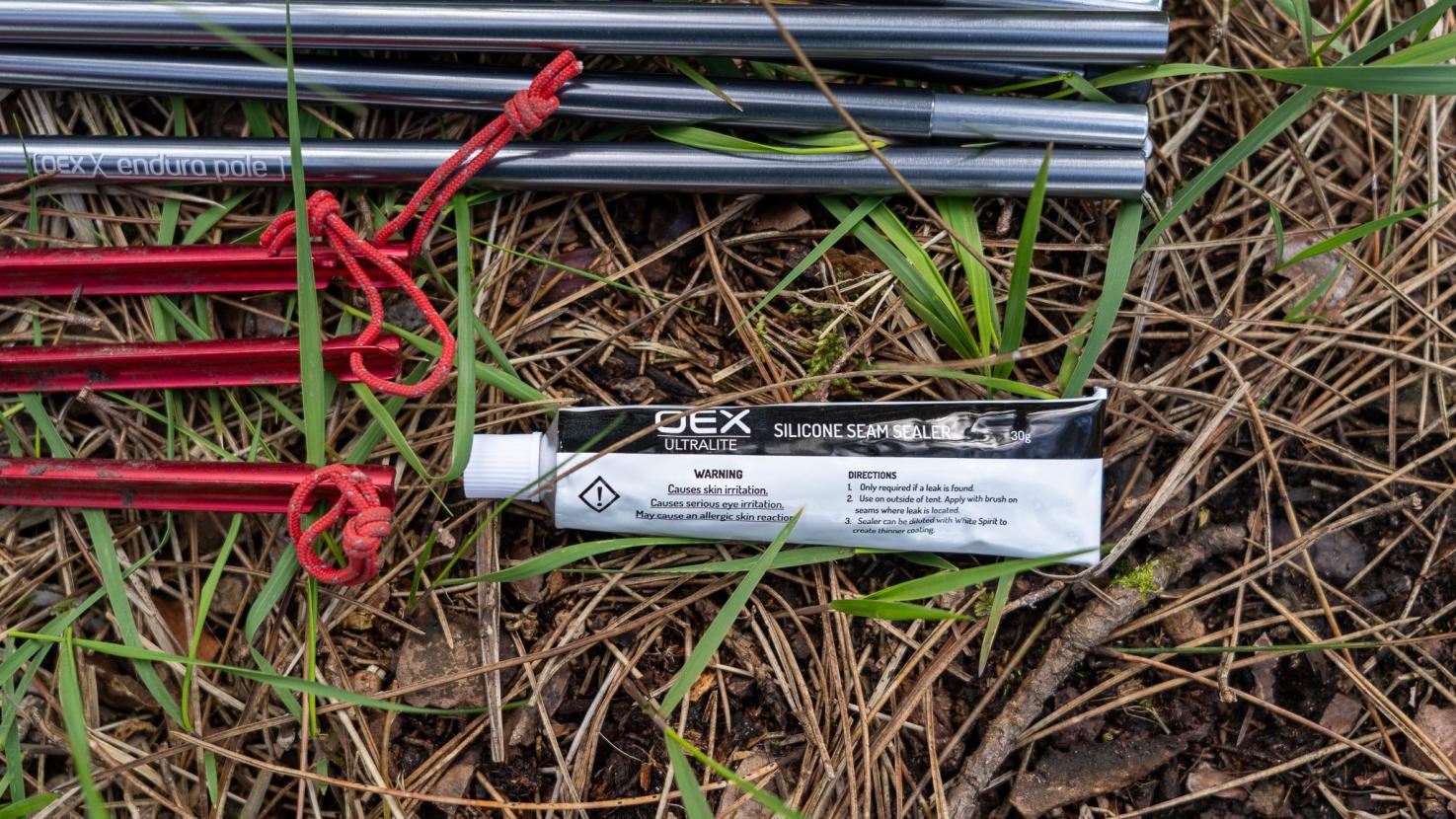
Seam sealing is a process you almost always have to go through whenever you buy a tent with a silnylon fly. This is because seam tape (the type that is most commonly used on polyester flysheets) doesn’t stick to siliconised nylon. Instead, a small layer of silicon ‘seam sealer’ needs to be applied along the various seams. This plugs up all gaps left by the stitching process and ensures no water can get in when camping in heavy rain.
During our testing, however, it’s worth noting that we camped in both the new OEX Phoxx 1 Ultralite and the new OEX Bobcat 1 Ultralite for 3 nights on the trot withoutseam sealing them first. On 2 of the nights, we had to put up with consistent rain that barely let up for a single minute, and never once noted any leakage whatsoever. Now, that’s not to say that you shouldn’t seam seal your tent. We 100% mirror OEX’s advice: You definitely should! It will give you added peace of mind, ensure no water comes in in the long term and it’ll help support the fragile seams for use over multiple seasons. It is good to note, however, that if you’re heading out last minute and don’t expect much rain, you can still camp confidently in these things before seam sealing them.
Is the new ‘Ultralite’ range worth the extra cost?
The new Ultralite range of tents from OEX is substantially more expensive than the original counterparts. The new OEX Bobcat 1 Ultralite costs £79 more than the OG for example, whereas the all-new OEX Phoxx 1 Ultralite costs £104 times more than the original OEX Phoxx 1. For us, however, we think these tents really are worth checking out if you’re looking for a UL shelter on a budget. Both the Bobcat and the Phoxx come in at under £200, yet are as small and light as many premium shelters costing well over £300. Therefore, if weight and pack size are important to you (if you’ve got a fastpacking, bikepacking or long-distance hiking trip on the horizon, for example), these lines are worth investigation, and we expect numerous reviews to pop up on YouTube as the line grows in popularity through the summer. What’s more, as they’re currently on show at every GO Outdoors in the country, we’d encourage any weight-conscious backpackers who are on the lookout for a new shelter to stop by and check them out in person.
About the Author
Andrew William
Consulting Editor
Andrew William is an outdoor photographer, filmmaker, and drone operator working across the UK outdoor and adventure industry. He works with brands, organisations and expeditions to tell stories through photography and film.
An outdoor gear nerd at heart, Andrew loves testing kit in all conditions, from mountain days to long-distance trails. He’s passionate about adventure, expeditions, endurance and, above all, the people and stories that make getting outdoors so rewarding.