HikingFjällrävenWalking Trousers
Fjällräven Keb walking trousers review: rugged reliability for adventures in cooler climates
Premium walking trousers at a premium price. Are they worth the hefty price tag?
✓ RecommendedFjällräven Keb Trousers
FabricG-1000 + stretchSeasonsOct – AprPrice£215
The good✓ Very comfortable cut
✓ Feature-rich design
✓ Lots of well-placed pockets
✓ Very durable (G-1000 panelling)
✓ Excellent freedom of movement
✓ Quick drying
✓ Windproof
✓ Crampon-reinforced ankles
The not-so-good✗ Very expensive at £215
✗ Too warm for late spring, summer and early autumn
✗ Vents have no mesh lining
At a glance
| Brand | Fjällräven |
| Model | Keb Trousers (Men’s) |
| Price | £215 direct from Fjällräven |
| Fabric | Fjällräven G-1000 (windproof, water-resistant) + stretch panels |
| Key features | Thigh and ankle vents, crampon-reinforced ankles, knee-pad slips, hip + cargo + zip pockets, cinch-down hems, belt loops |
| Ideal for | Hiking, backpacking, winter trips |
| Not suitable for | Fastpacking, running, bikepacking, UK summer use |
Overview
The Keb trousers from Swedish brand Fjällräven are some of the most popular walking trousers on the market. Durable, feature-rich and coming with a promise to last many, many seasons, they are a solid pair of walking trousers that lend themselves well to the roughest adventures. But, being thick, heavy and incredibly warm, are they overkill for adventures in the UK?
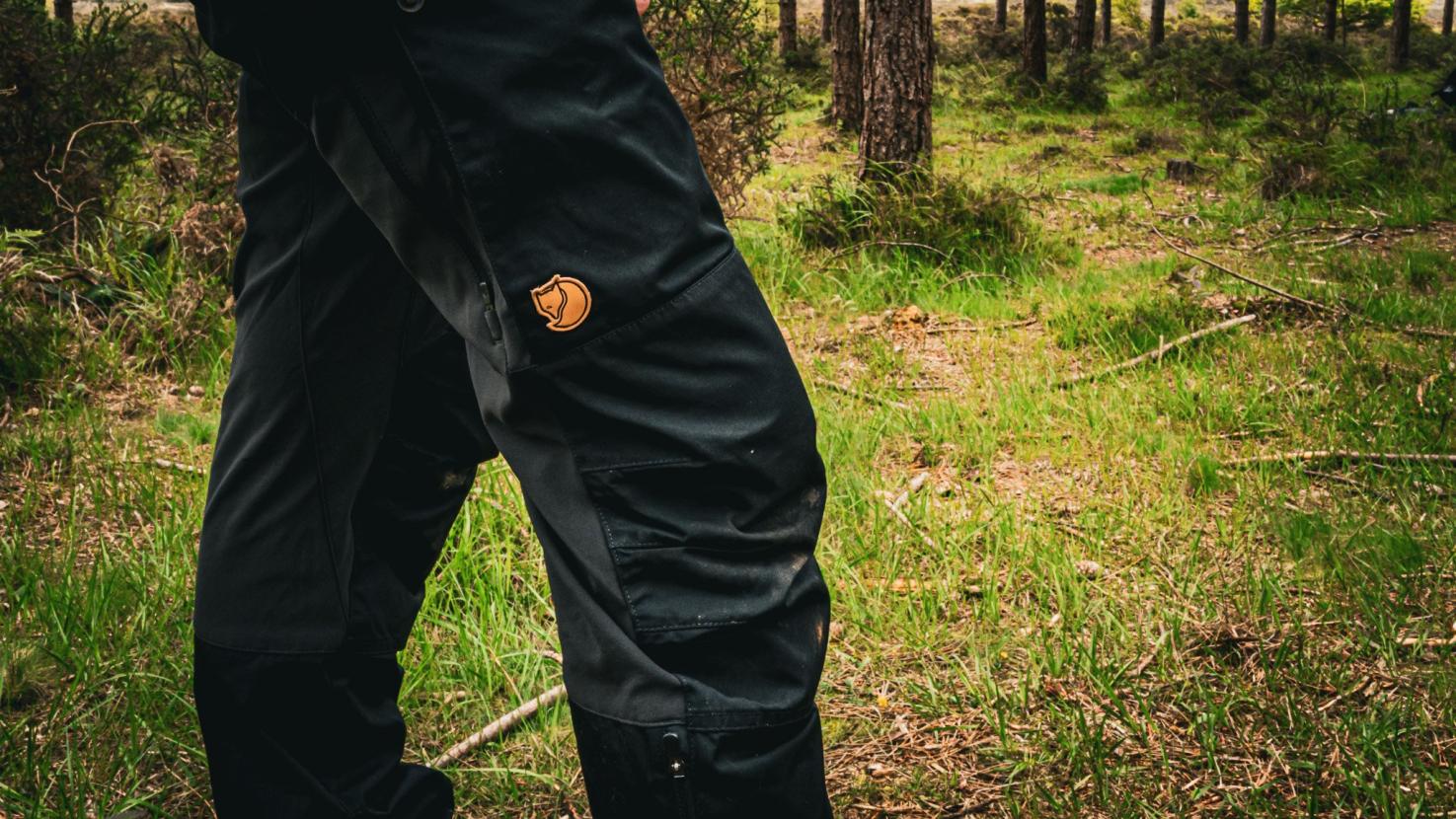
On the market since around 2010, the Kebs have been a staple of Fjällräven’s offering for a decade and a half. Small iterations have been made in that time, but they are mostly the same as they were back then. This is because Fjällräven notably invests a ton in its research and development. Much like their tents, the company does not just spit out new kit at the drop of a hat. They work for around 18 months to build the most purpose-built version of a product out there, then test, refine and test again. In the case of the Kebs, this approach is palpable through the list of features as long as your arm: vents, slips for knee pads and toggles for braces; water-resistant and completely windproof; added protection around the ankles against crampons; hems that cinch down tight around your boots. Oh, and the pockets have been precisely placed to allow the wearer to easily grab and store anything they might need.
That sort of precise engineering does not come cheap. The Keb trousers come in at £215 when bought directly from Fjällräven — more expensive than many tents, sleeping bags and some waterproof jackets. That being said, due to the feature-rich design and the amazing utility these pants offer, they truly could be the only pair of trousers you ever need. So, could it be argued they are worth the high price?
To put the price tag in perspective: The North Face Stolemberg Alpine trousers come in at £160 direct, the Revolution Race Nordwand Pro hiking trousers cost £109, Patagonia’s Terravia Alpine Pants are £140 and Rab’s Torque Pants are £110. Hiking pants are not cheap as a category — but few come with as heavy a tag as the Kebs. That being said, Fjällräven’s Keb trousers are so versatile, well put together and purpose-built that we think they might be worth it for a specific series of uses.
How we tested
We got our hands on a pair of Fjällräven’s Keb trousers at the end of 2023, which meant we could test them on a ton of winter trips, a series of spring backpacking excursions and even a handful of summer wanders. We wore them on a 4-day mountaineering trip to the Cairngorms in January, on a 3-day wet wild camping adventure in the Brecon Beacons, on an untold number of woodland and coastal walks around the southeast, and on a 3-day bimble around Dartmoor National Park at the end of May when the weather was appropriately summery (for our British sensibilities, at least). We put them up against wind, rain, ice and snow — and we even wore them against the Keb’s worst enemy: warm, sunny conditions.
Features and performance
Fit
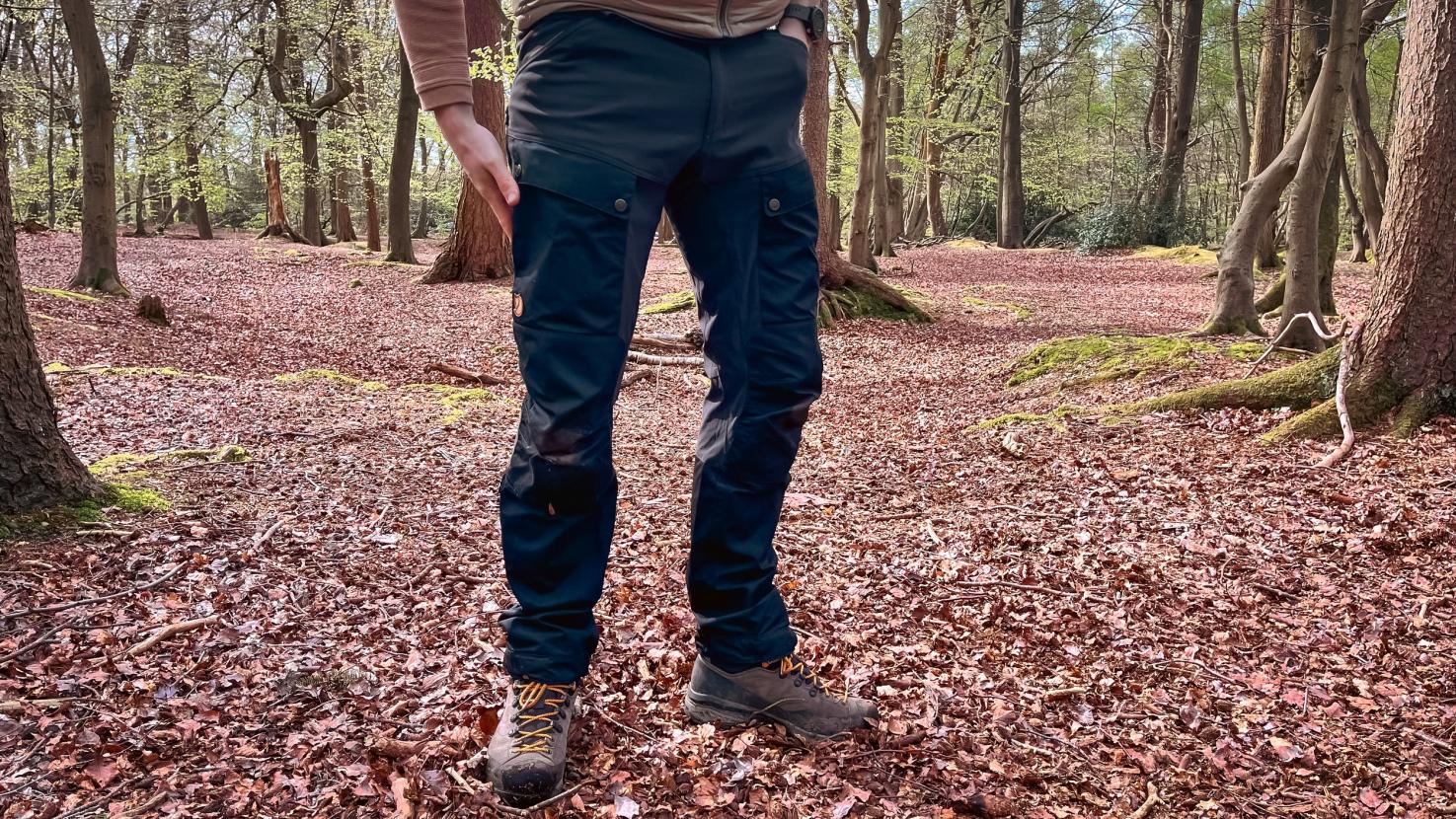
The first thing we really liked about the Fjällräven Kebs is the way they fit. They have been constructed to be tight where you want them to be and loose where you need a little more space. Around the thighs, Fjällräven’s stretch material gives you maximum freedom of movement and does not constrict — no matter the activity. Further down around the knee and over your shins, Fjällräven’s proprietary G-1000 fabric takes over. This is a heavy-duty yet reasonably lightweight water-resistant and windproof fabric that is super durable and hard-wearing. Designed in 1968, it was created for changeable adventures: a material you can use and abuse for a lifetime. What is more, if you so wish, you can wax it with Fjällräven’s Greenland Wax to make it even more waterproof still for your wet-weather adventures. As the G-1000 sections are less stretchy, the fit billows out somewhat in the more durable parts of the pants to avoid any restrictions.
Features
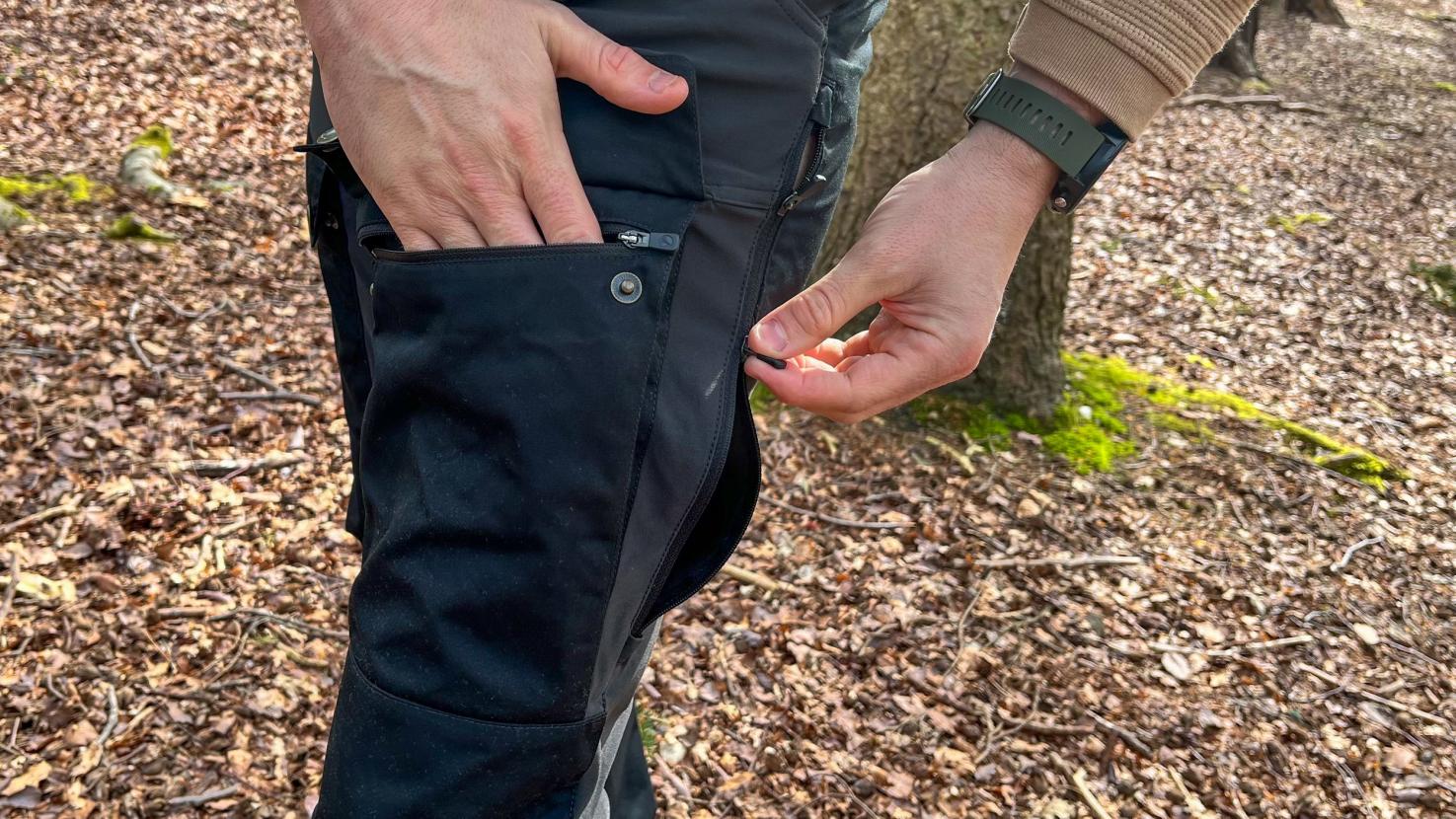
Designed to be used flexibly on a variety of adventures, the Kebs are feature-rich and super versatile. The pockets have been well designed to allow you to make maximum use of the storage available along each leg. Hip pockets are easy to use thanks to the stretchy material and feel tight enough against the leg that nothing moves when you use them. Further down the leg, cargo pockets just up and to the side of each knee allow you to store larger items. On the left-hand pocket, there is also a zip enclosure for safely storing things when climbing or scrambling.
Another thing we particularly appreciated is the fact that the waistline comes with belt loops. Unusually, this is something many pants leave out these days, perhaps in favour of braces. Wearing a heavy pack over braces can be quite uncomfortable, so we were happy to see Fjällräven embrace this simple approach. That said, to save some precious grams, it would have been good to see them also add some sort of hip-tightening mechanism to the waistline itself, so you could use them on lightweight trips without packing an extra belt.
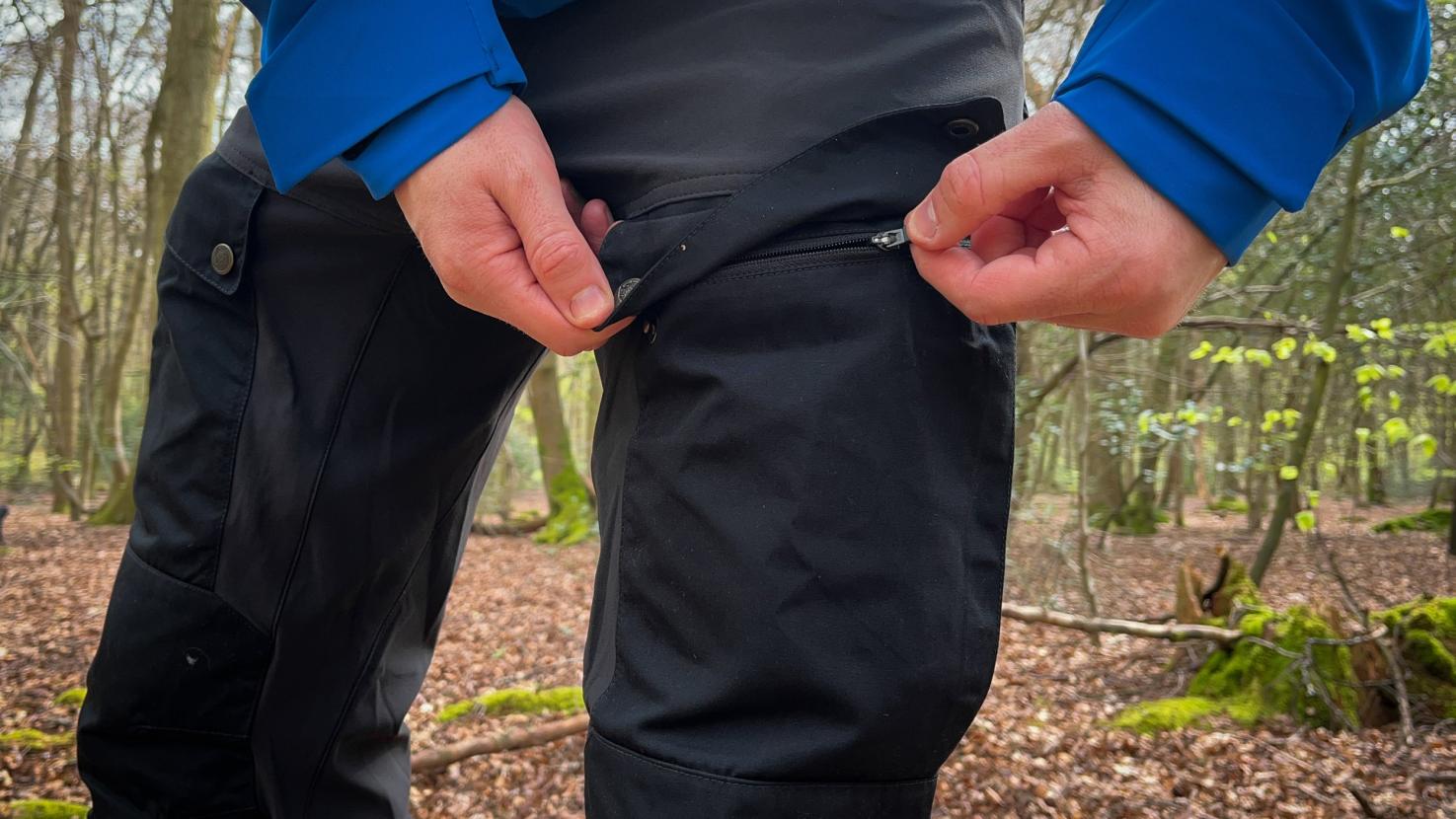
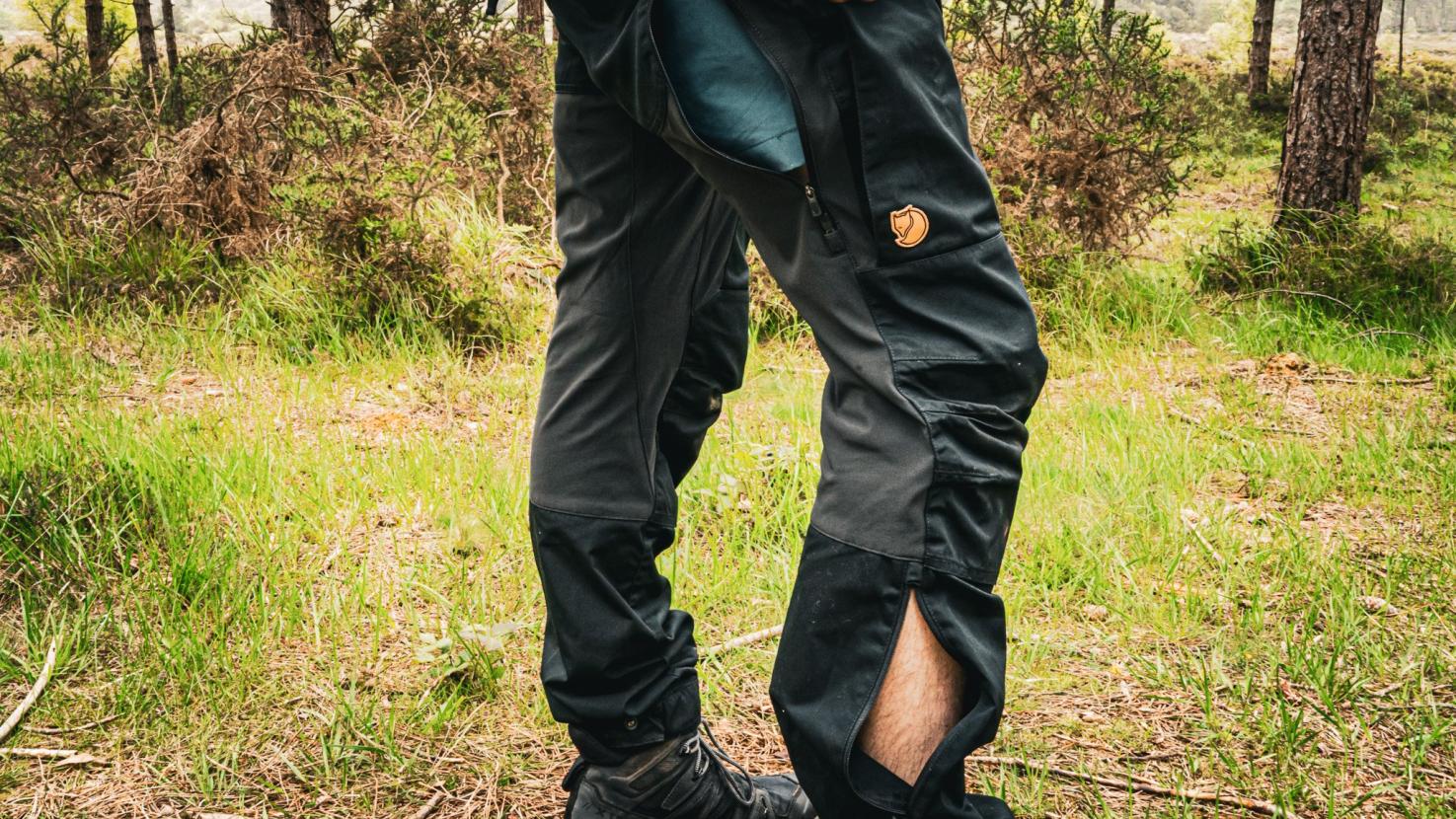
Moving down the leg, both sides have dump zips that allow you to ventilate the pants at both thigh and ankle levels. Unusually, however, none of these come with any mesh protection, meaning your bare skin comes through when you open them. Out in the middle of nowhere, this is not going to be an issue. But on busy hiking trails, we felt a little silly walking past other people knowing everybody had a clear view of our underwear. It does beg the question of why Fjällräven have refused to add a simple mesh layer here — a lightweight and breathable slip of mesh will still allow for plenty of breathability while keeping things decent.
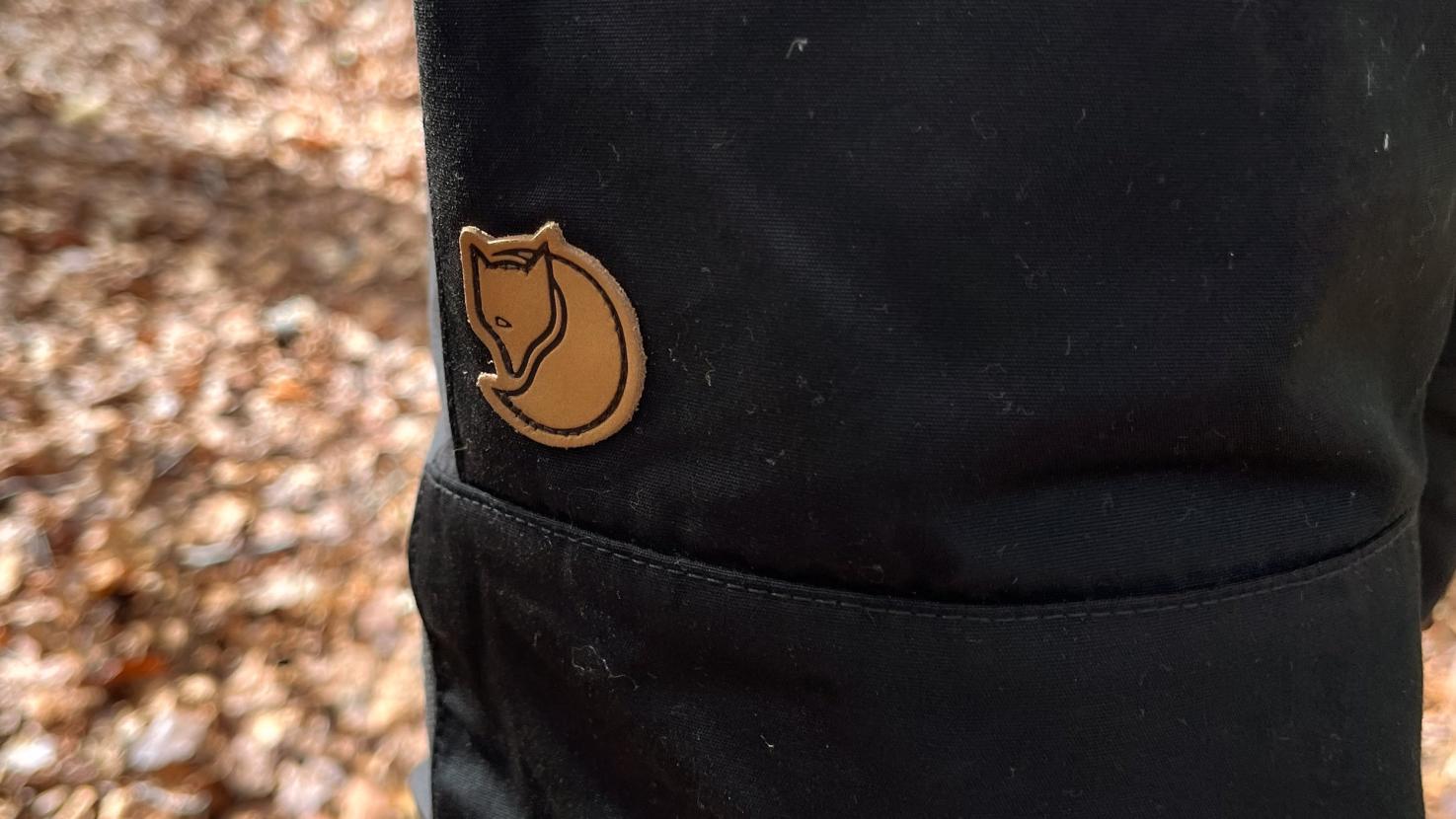
Finally, around the ankle, reinforced G-1000 panelling adds extra durability against crampon spikes and general wear and tear. The hem can also be tightened around your boots and clipped down onto the laces, all to keep the trouser leg from riding up when climbing a windy ridge.
“In late autumn, winter and early spring, they’re fantastic: they cut out all wind, keep short rain showers off and keep you warm and comfortable inside. But once the mercury rises above around 12–15°C, we simply find them too warm.”
Performance in the UK
Windproof and water-resistant, we found the trousers perform excellently on challenging mountainous hikes and walks in fairly miserable weather. Due to their durability, we also found they work well as general work trousers for bushcrafting (or even gardening). Unfortunately, however, from around April onwards we simply found them much too warm to wear on any demanding adventures. Even when bimbling across Dartmoor’s rolling landscape, our legs worked up such a sweat that they became quite uncomfortable — even with all four dump zips wide open.
In late autumn, winter and early spring, they are fantastic: they cut out all wind, keep short rain showers off and keep you warm and comfortable inside. But once the mercury rises above around 12–15°C (or even less on high-intensity hikes), we simply find them too warm. Now, everybody’s different, so you might be able to wear them all the way through to the height of summer. But for us, for £215, we would really expect to be able to get maximum use out of these all-round walking trousers year round — so we were disappointed to find them as uncomfortable as they were in conditions that can only be described as ‘mild’.
| Ready for your next adventure?Walk Britain’s national parks with an expert who knows themJoin guided day hikes across the Lake District, Dartmoor, Eryri and more.Browse hiking trips → |  |
Our verdictNear-perfect for October to April — but think hard about how often you’ll use them.Overall, we are highly impressed with the Fjällräven Kebs. They are durable, versatile and incredibly well-designed. In the right temperature range, there is very little these trousers will not excel at, aside from perhaps high-intensity bikepacking and fastpacking adventures. That temperature range is important, however: these technical hiking pants are much too thick and warm for any late spring, summer or early autumn escapades in the UK, unless you are sticking to low-intensity strolls along flat paths.But for adventures between October and April, they are near-perfect hiking trousers that will keep you comfortable, safe and warm on pretty much any outdoor adventure the UK can throw at them.
FAQs
How warm are the Fjällräven Keb trousers?Very warm — solid 3-season trousers for winter, spring and autumn use. Vents at the top and bottom of each leg help dump heat, but we still worked up a sweat in them in temperatures as low as 14°C.
How waterproof are the Fjällräven Keb trousers?Not waterproof — water-resistant. They hold up well in short showers, and you can wax the G-1000 panels with Fjällräven’s Greenland Wax to boost their water resistance further.
Are the Fjällräven Keb trousers worth the high price tag?If you are looking for trousers that will reliably last several seasons on demanding winter and shoulder-season hikes, yes. For year-round UK use, the value case is harder to make — they are too warm for anything from late spring to early autumn. For the same price or less, you could pick up a pair of Revolution Race Nordwand Pros for the winter and a pair of lightweight summer hiking trousers, and get more total use across the year.
How durable are the Fjällräven Keb trousers?Exceptionally durable. Reinforced patches and panelling along high-abrasion areas — particularly the ankles and knees — mean they should handle a lifetime of trail abuse without issue.