Stay warm, dry and comfortable whatever Britain throws at you — from windy ridge walks to damp forest trails — with our pick of the best midlayers for 2026.
A good midlayer is one of the most important pieces in your outdoor wardrobe. In the UK, where you can experience all four seasons in a single afternoon, it’s the layer that keeps you comfortable when conditions change — whether that’s a biting breeze on the summit or drizzle in the valley.
From Merino wool to advanced synthetics, today’s midlayers balance warmth, breathability and weight better than ever before. They bridge the gap between your base layer and shell, regulating temperature across everything from high-output hikes to cold-weather campouts.
We’ve tested dozens of fleeces, puffies and technical hoodies across Britain’s hills, moors and mountains to bring you the very best options for 2026.
What makes a good midlayer?
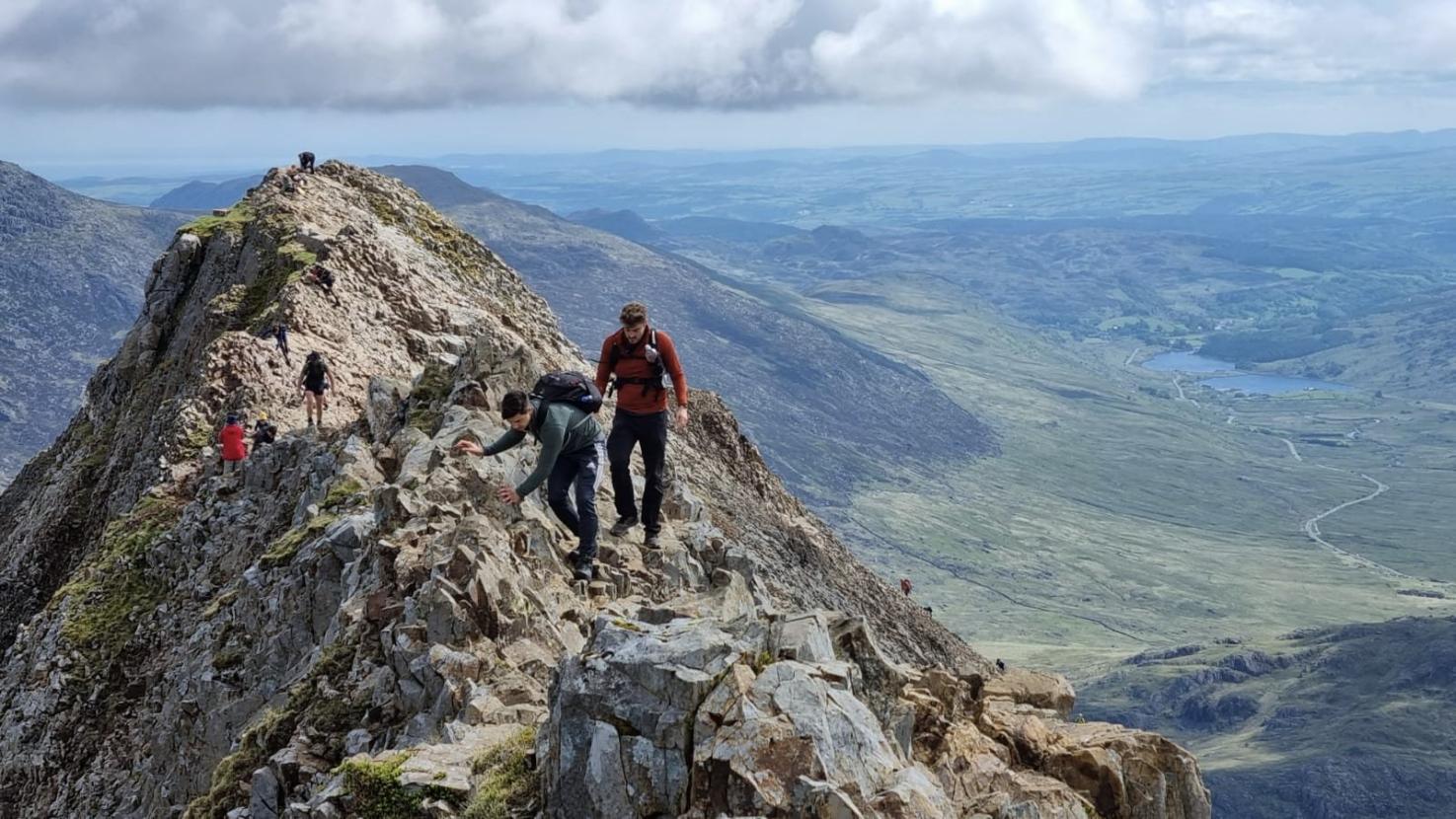
A proper midlayer should trap heat without making you overheat. It should breathe well when you’re climbing and insulate when you stop. In the UK, that means choosing fabrics that can cope with damp air and variable temperatures — and dry quickly if you get caught in a downpour.
Merino wool remains a firm favourite for its natural warmth and odour resistance, while modern fleece fabrics and synthetic insulations like PrimaLoft offer outstanding performance for their weight. Fit is equally important — too tight and you’ll trap sweat, too loose and you’ll lose warmth.
Finally, consider versatility. The best midlayers can double up for pub stops, travel days or even your daily commute, saving you from owning multiple jackets for every occasion.
Best midlayers for UK adventures 2026 at a glance
| Category | Midlayer |
|---|---|
| Best all-round midlayer | Isobaa Borg Fleece Jacket |
| Best midlayer for hiking and mountaineering | TNF Summit Series Futurefleece |
| Best midlayer for trail running and fastpacking | Icebreaker Realfleece Descender |
| Best budget midlayer | Quechua MH100 |
| Best puffy midlayer | Patagonia Nano Puff Hoody |
| Best quarter-zip midlayer | Isobaa Merino 200 Zip Neck |
| Best polyester fleece midlayer | Helly Hansen Daybreaker Block Microfleece |
| Walk Britain’s national parks with an expert who knows themJoin guided day hikes across the Lake District, Dartmoor, Eryri and more.Browse hiking trips → |  |
| Material420gsm Merino blend | Best forYear-round adventures | VersatilityHill to pub |
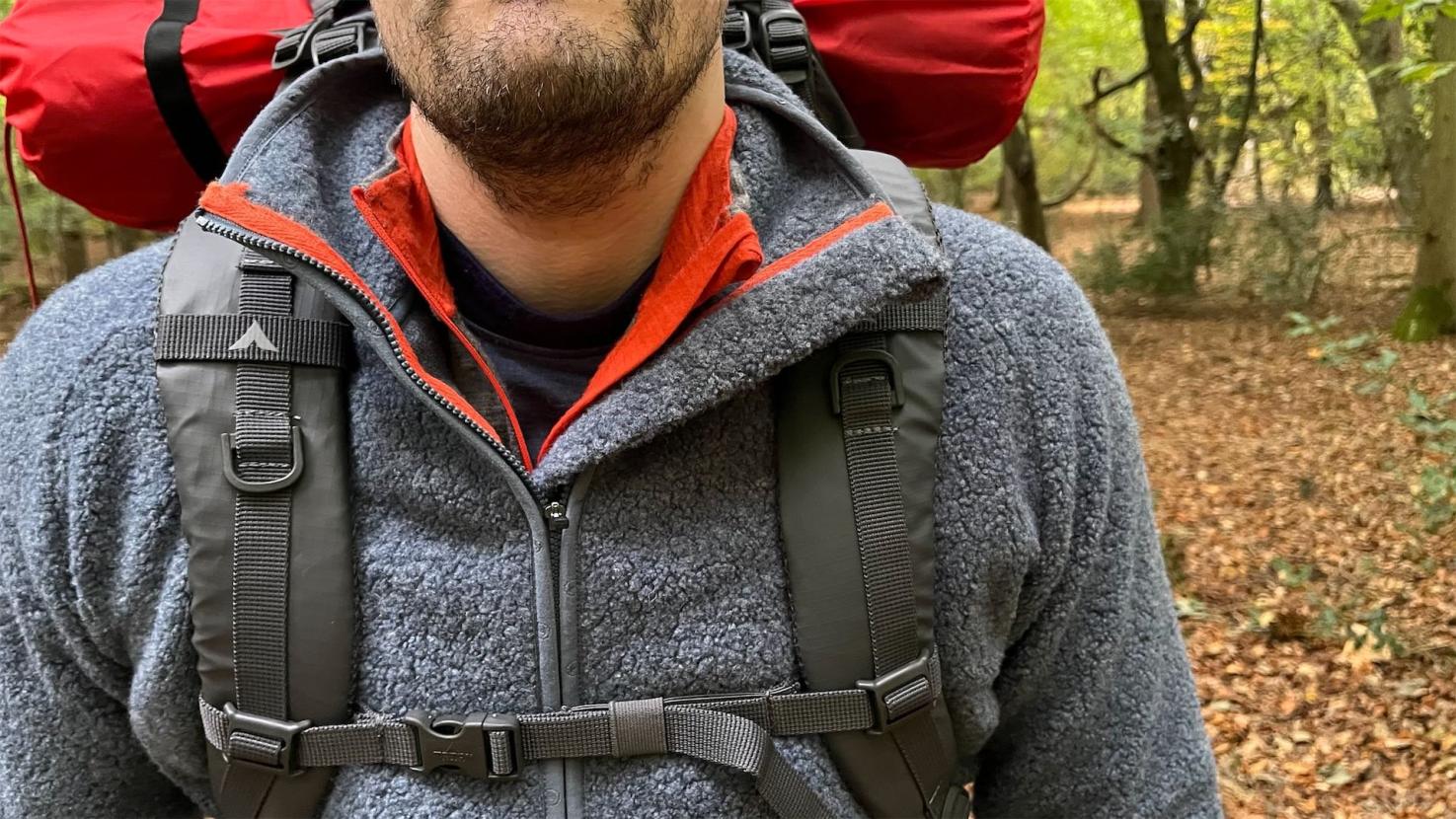
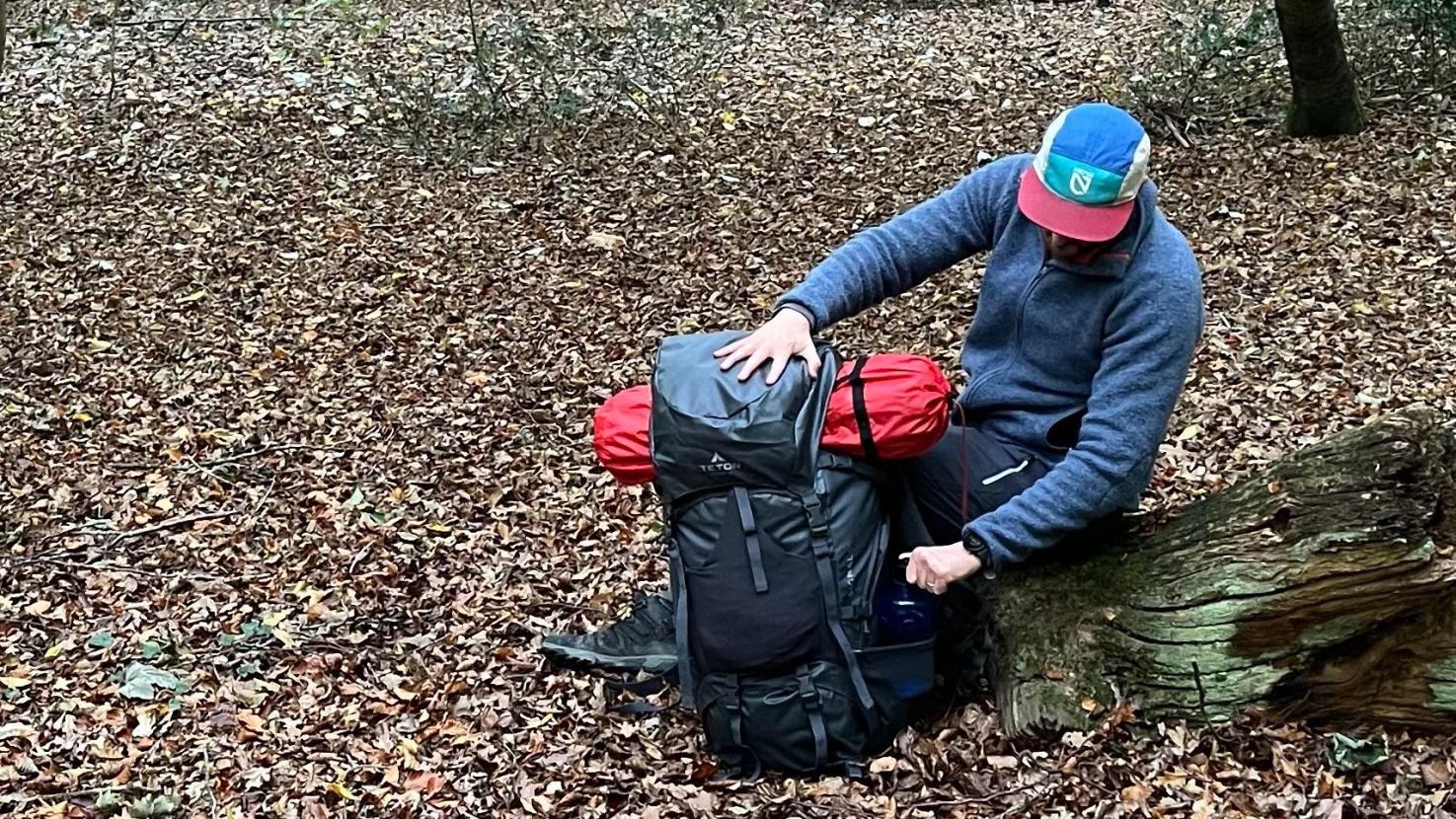
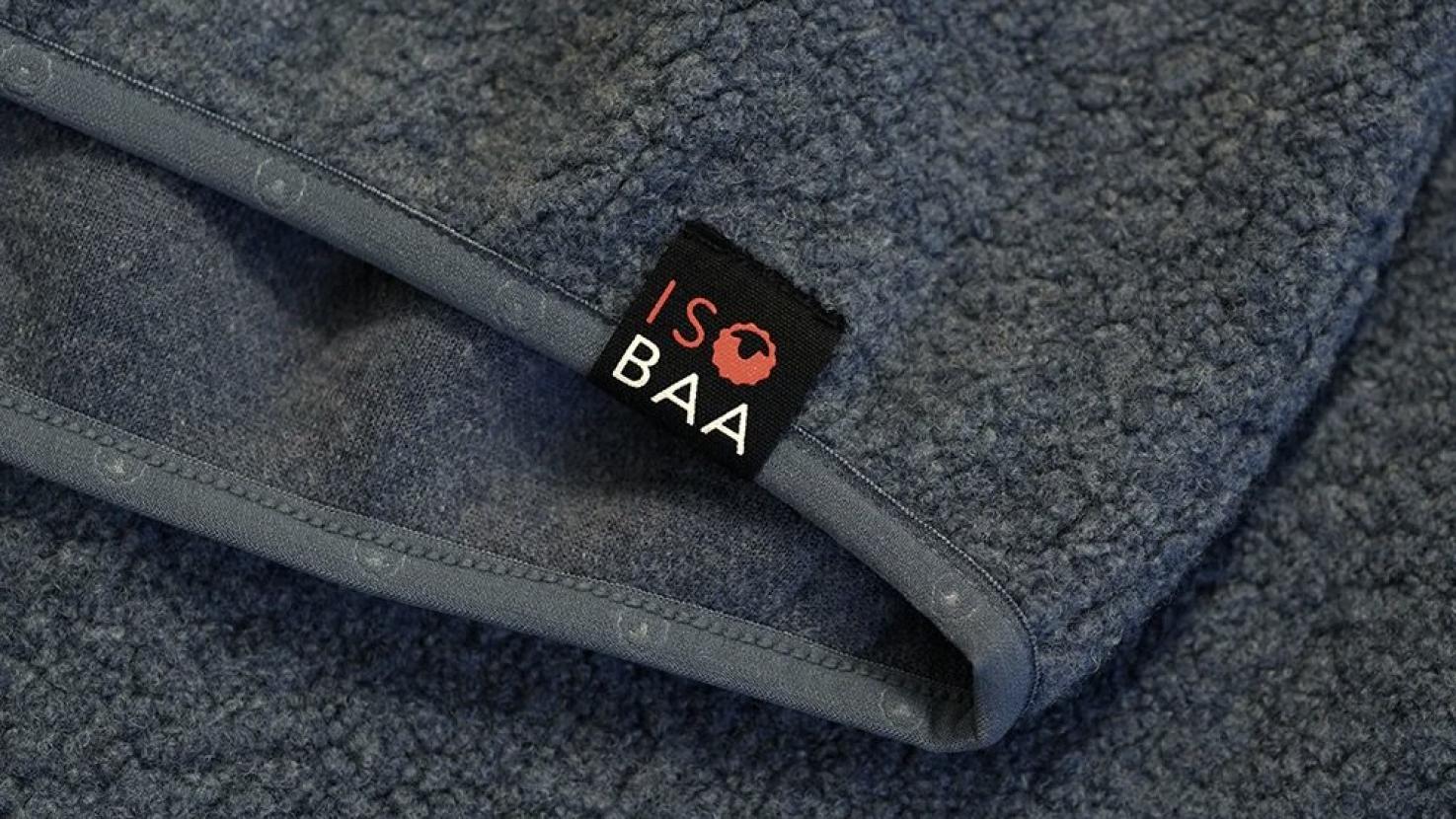
The Isobaa Borg Fleece Jacket is a proper do-it-all midlayer for year-round adventures. Made from a 420gsm Merino blend, it combines natural warmth with excellent moisture management and a premium feel.
It’s equally at home layered under a waterproof on the hill or worn solo in town — a rare balance between technical performance and timeless style. The fit is relaxed yet insulating, the zip pockets are deep and practical, and the brushed fleece interior feels superbly soft against the skin.
Warm, breathable, and built to last, this is the midlayer we’d pack for almost any British trip.
 |
 |
 |
 |
| Read the full review → | Buy from Isobaa → |
| WeightUltralight | FabricOcta-yarn grid | Best forClimbing / mountaineering |
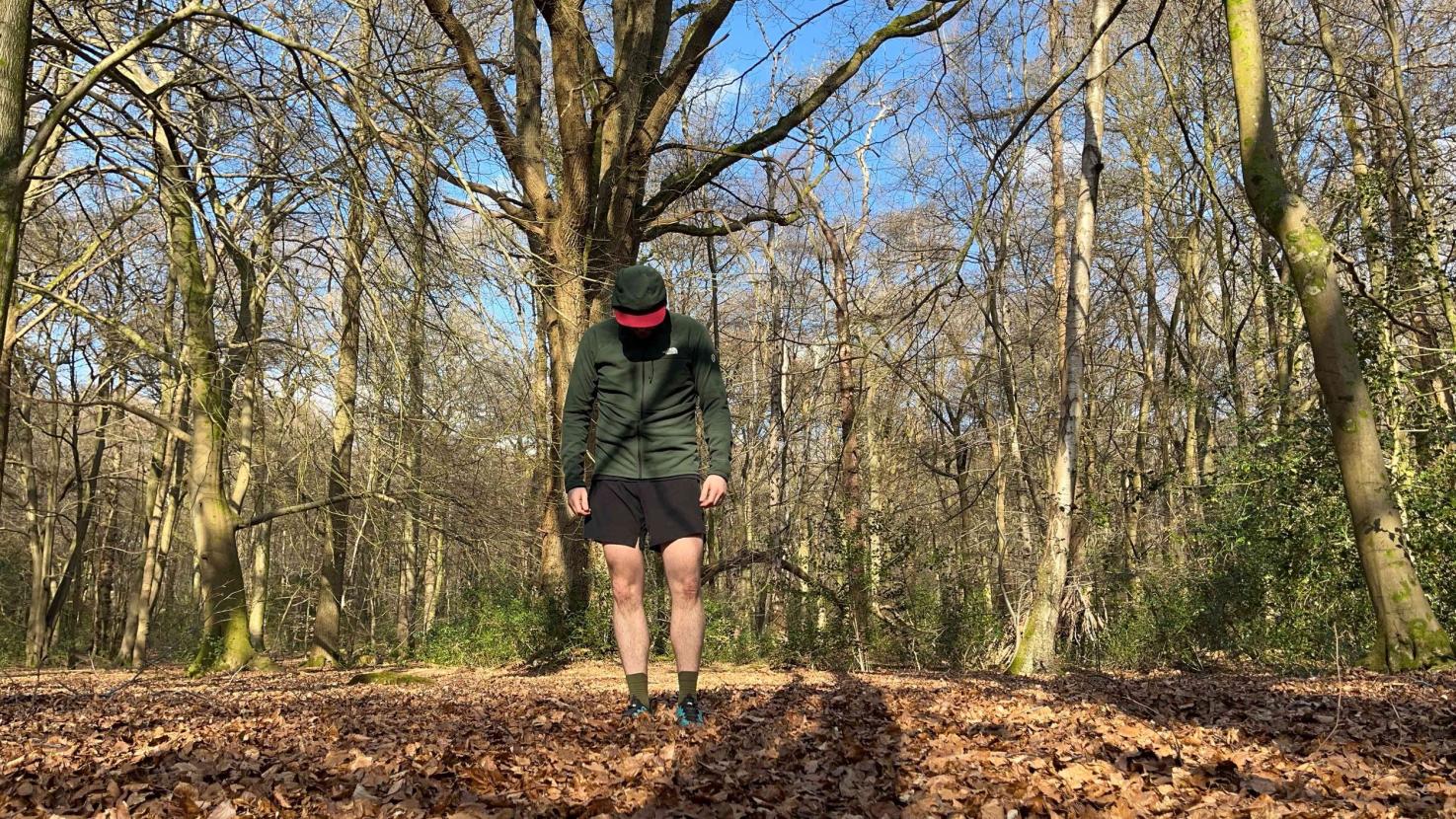
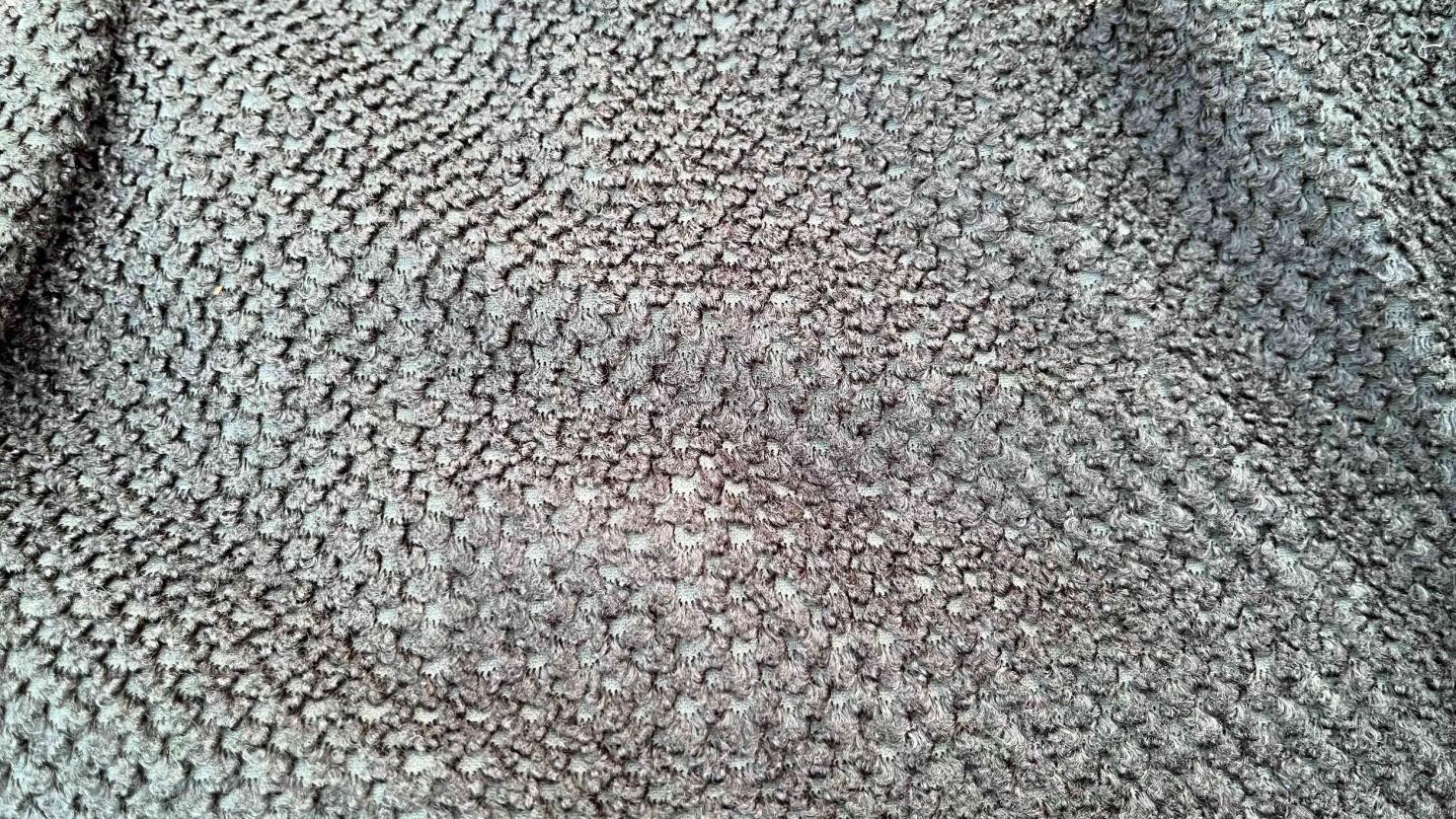
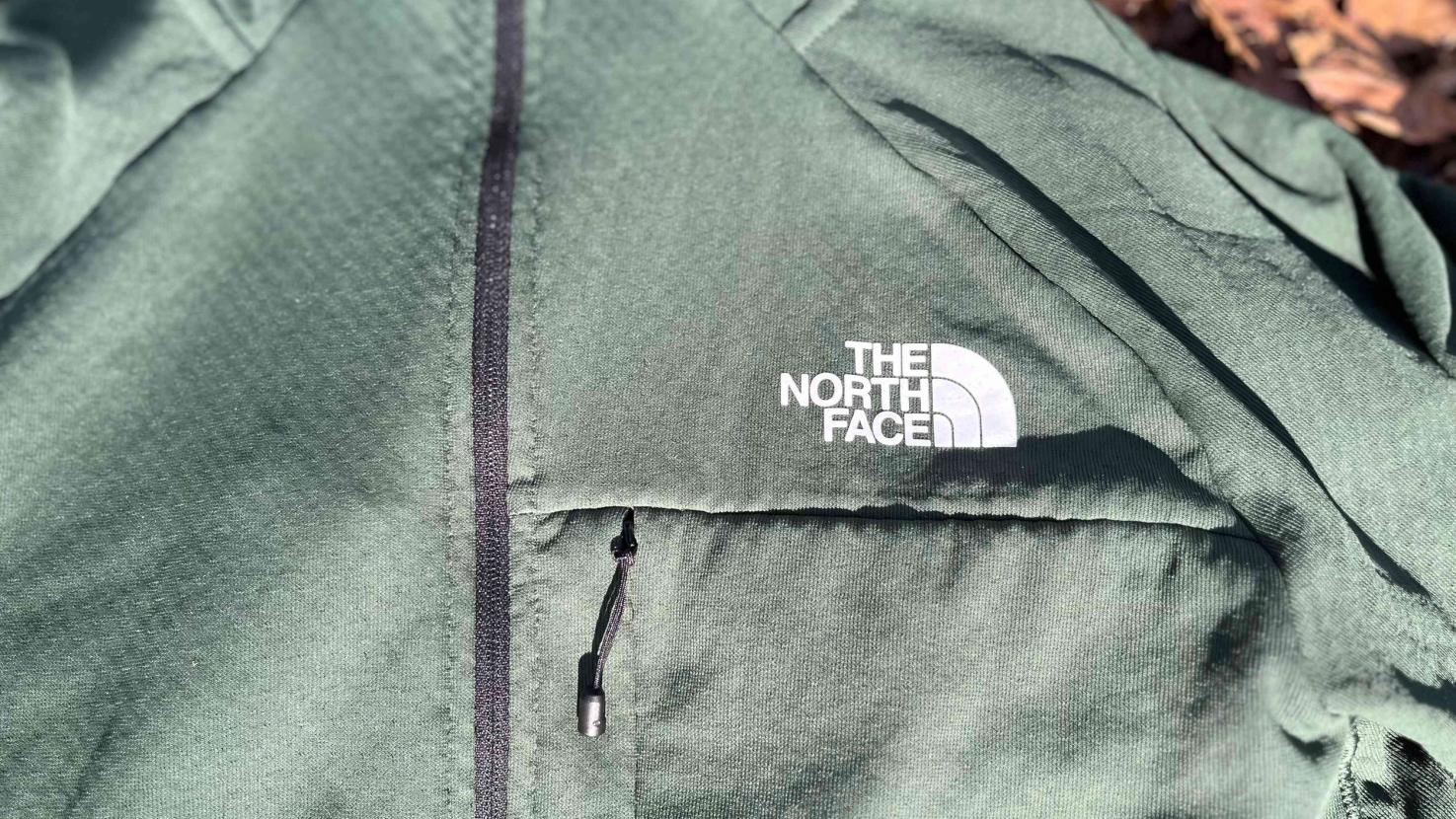
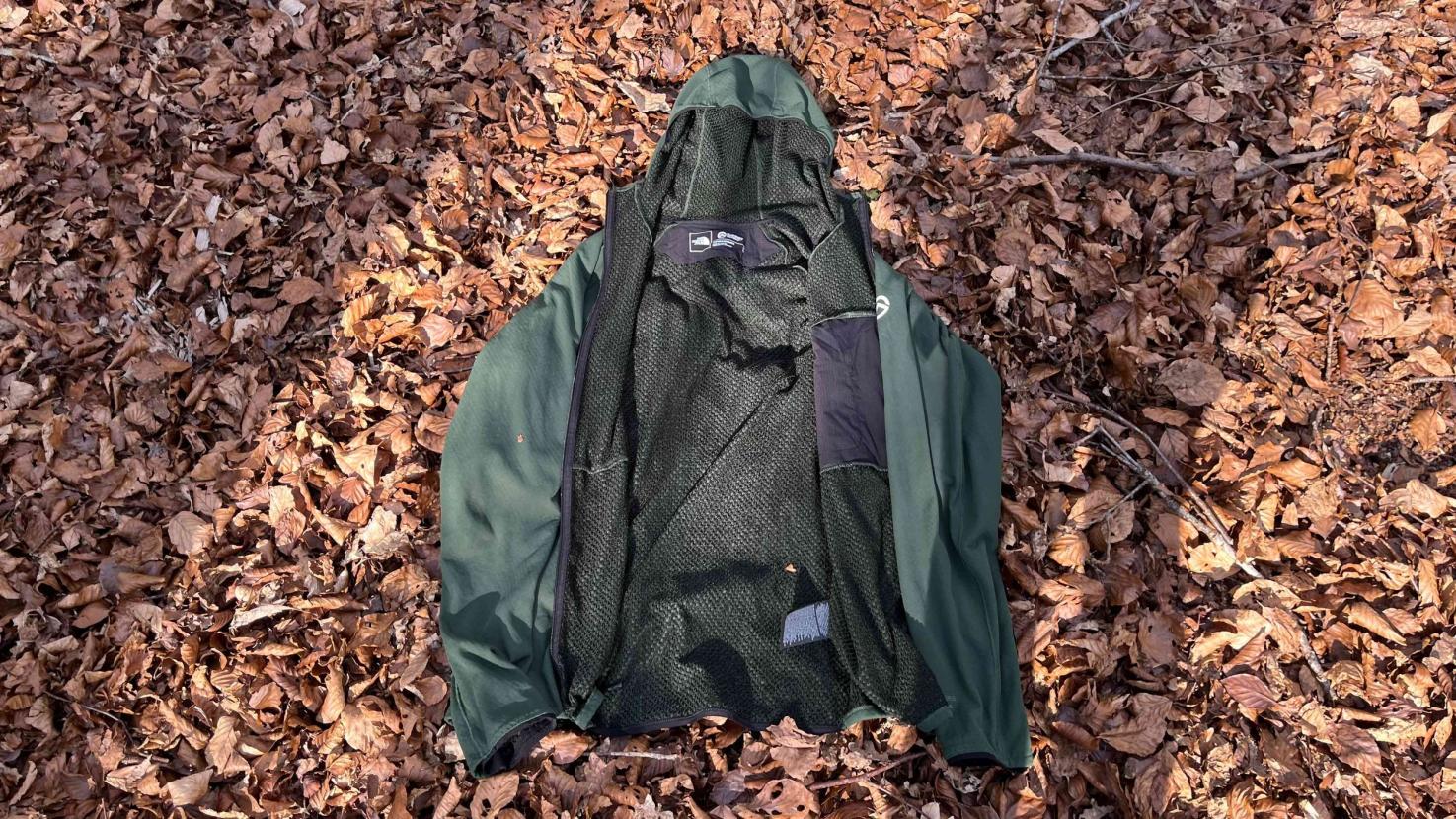
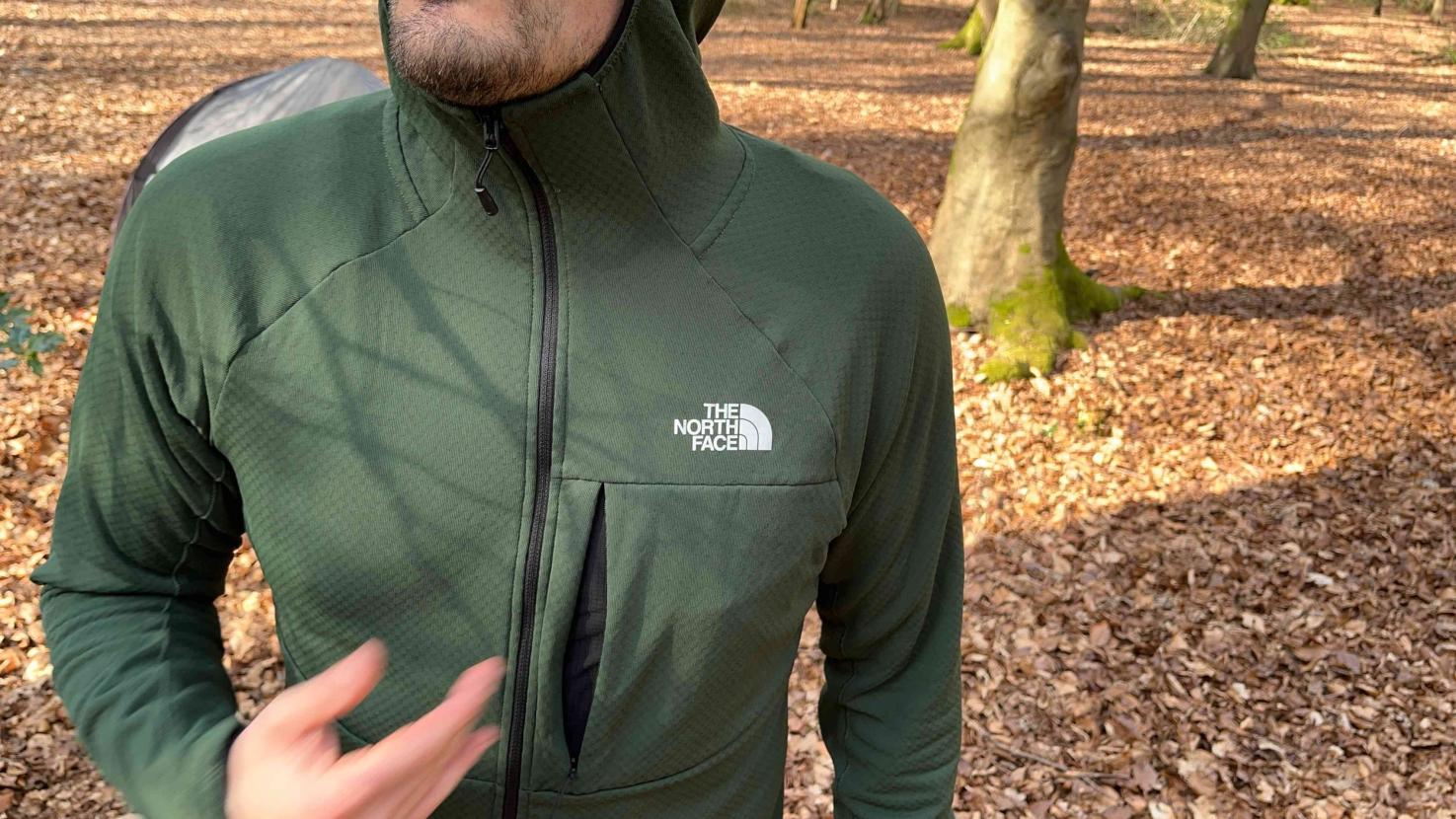
The Summit Series Futurefleece from The North Face is a technical powerhouse designed for serious days in the mountains. Its lightweight octa-yarn grid fabric offers remarkable warmth-to-weight performance and dries in no time — perfect for steep ascents or exposed summits.
Despite its minimal weight, it’s impressively tough. Flatlock seams and a close, ergonomic fit make it ideal under a shell, while the snug hood and thumb loops add protection when the weather turns.
For climbers, mountaineers, and anyone chasing efficiency in unpredictable UK conditions, this is the midlayer to beat.
 |
 |
 |
 |
| Read the full review → |

| MaterialMerino + Lycra + recycled polyester | Best forTrail running / fastpacking | FitAthletic |
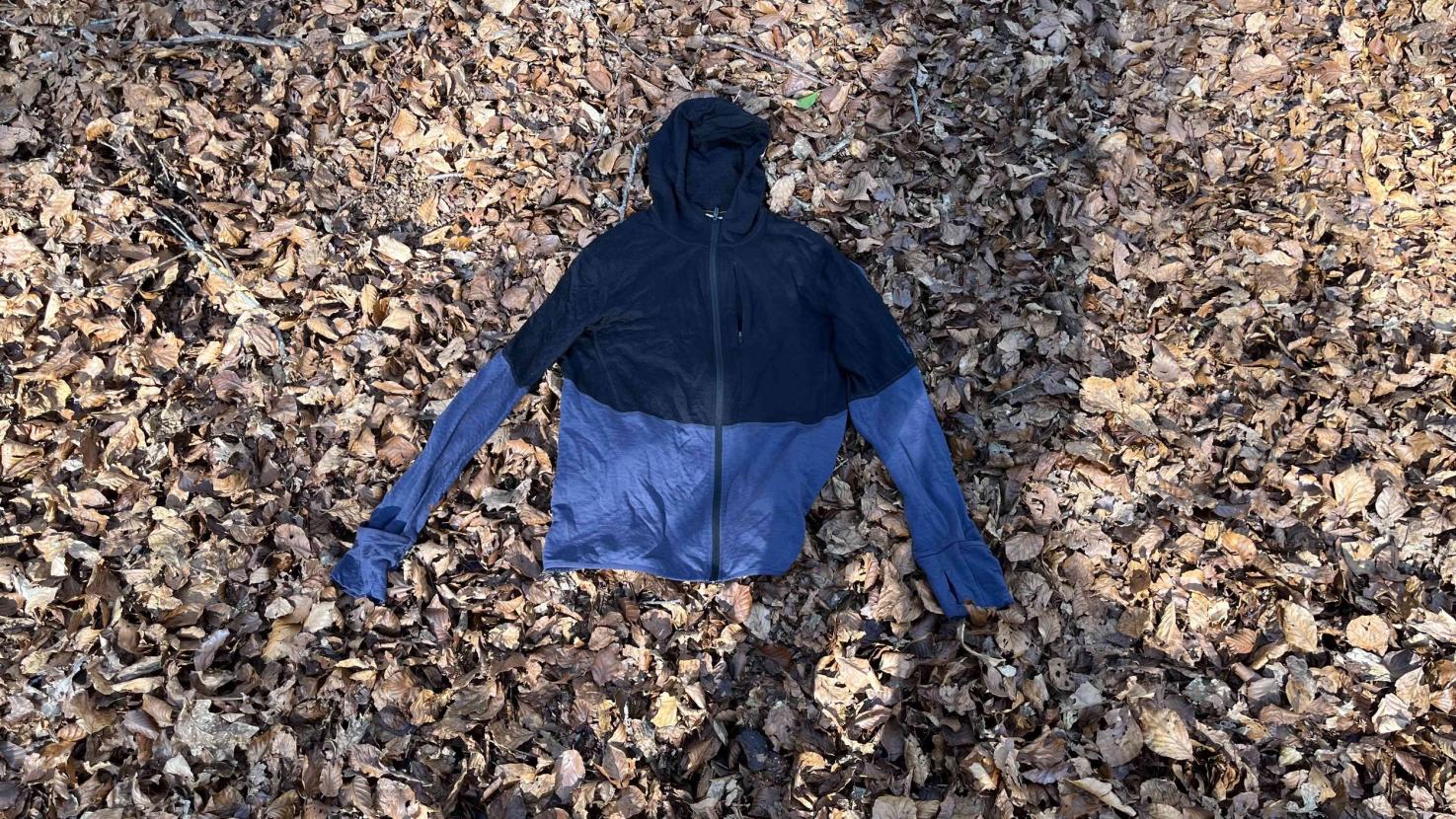
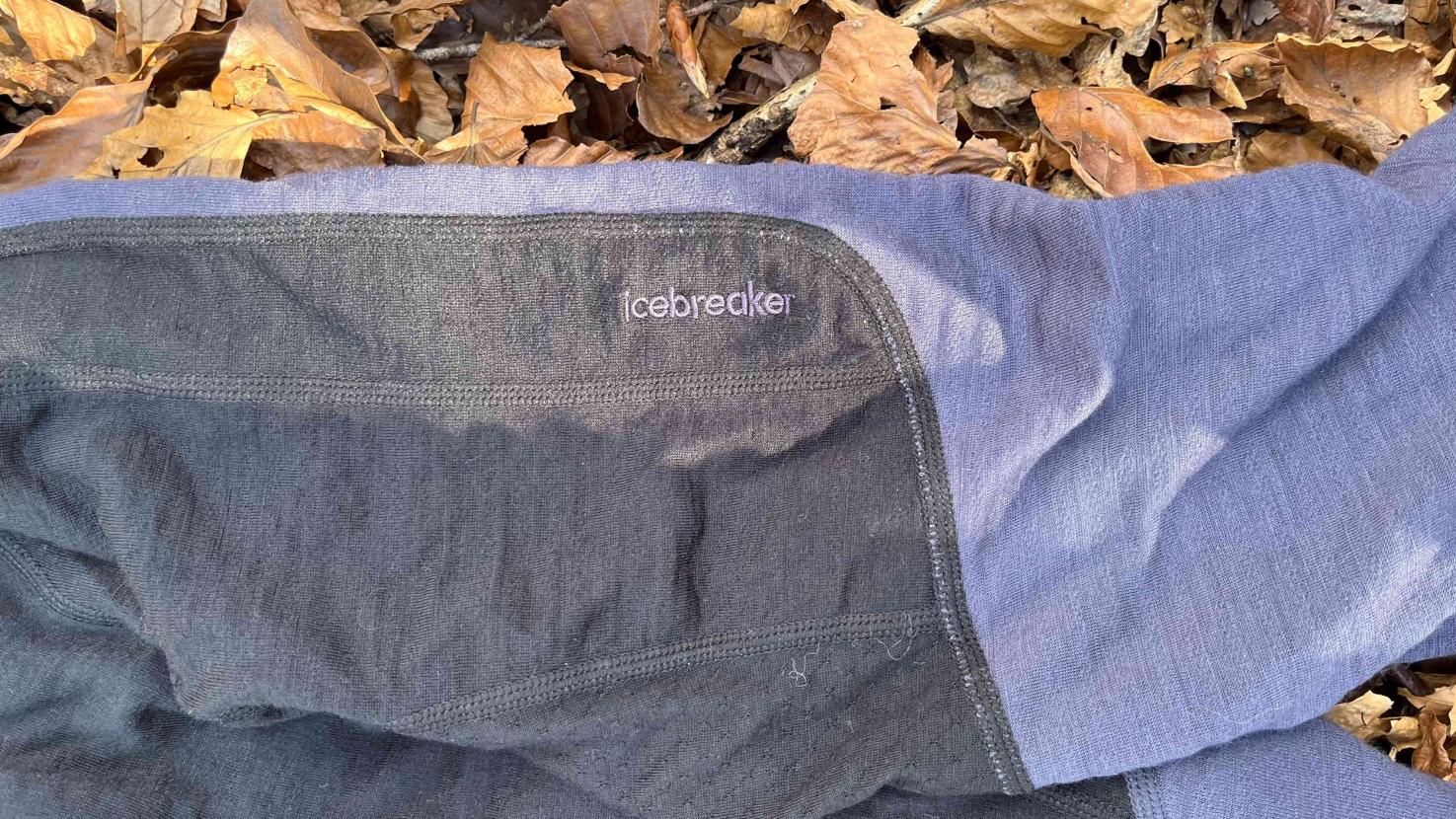
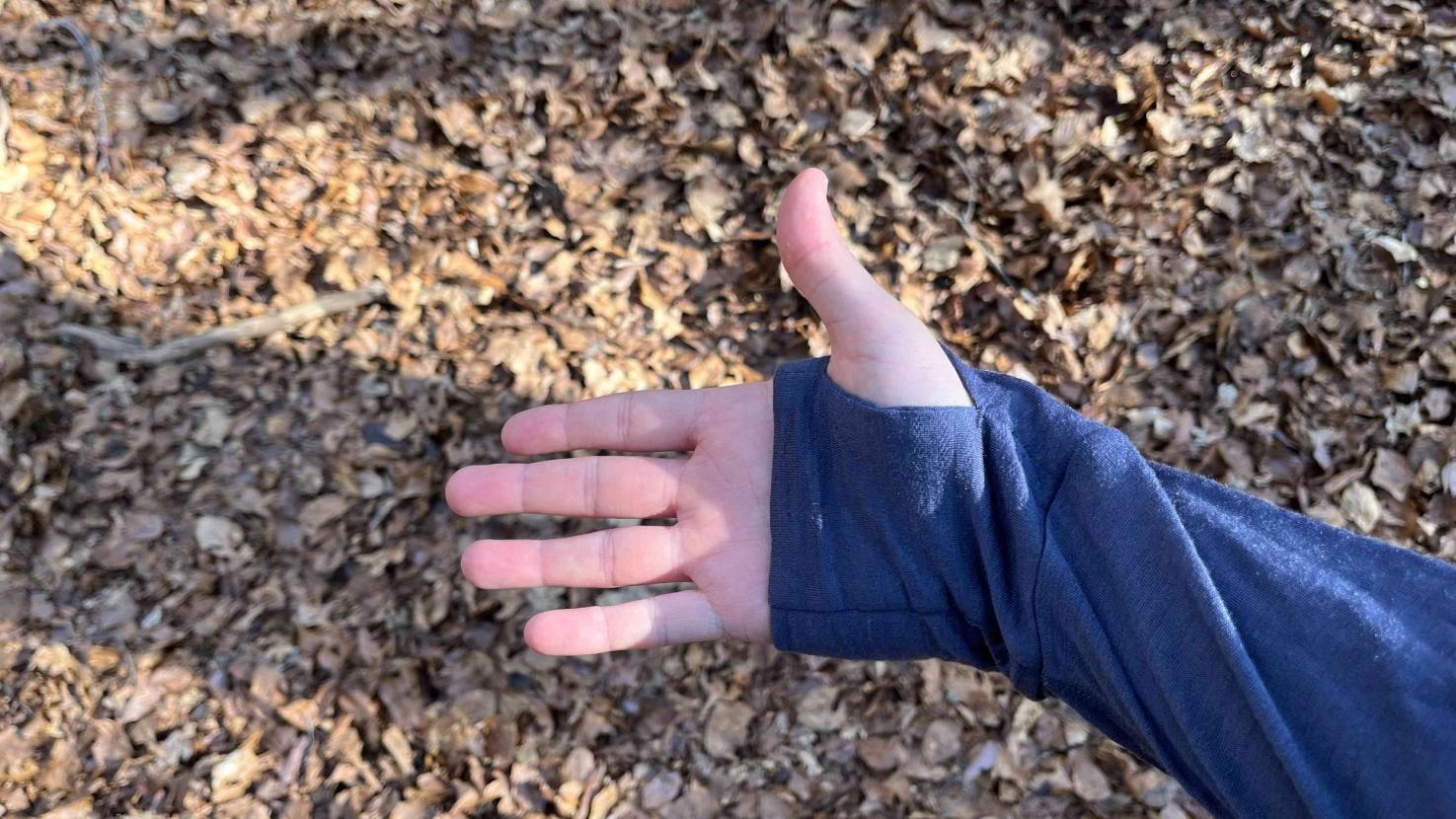
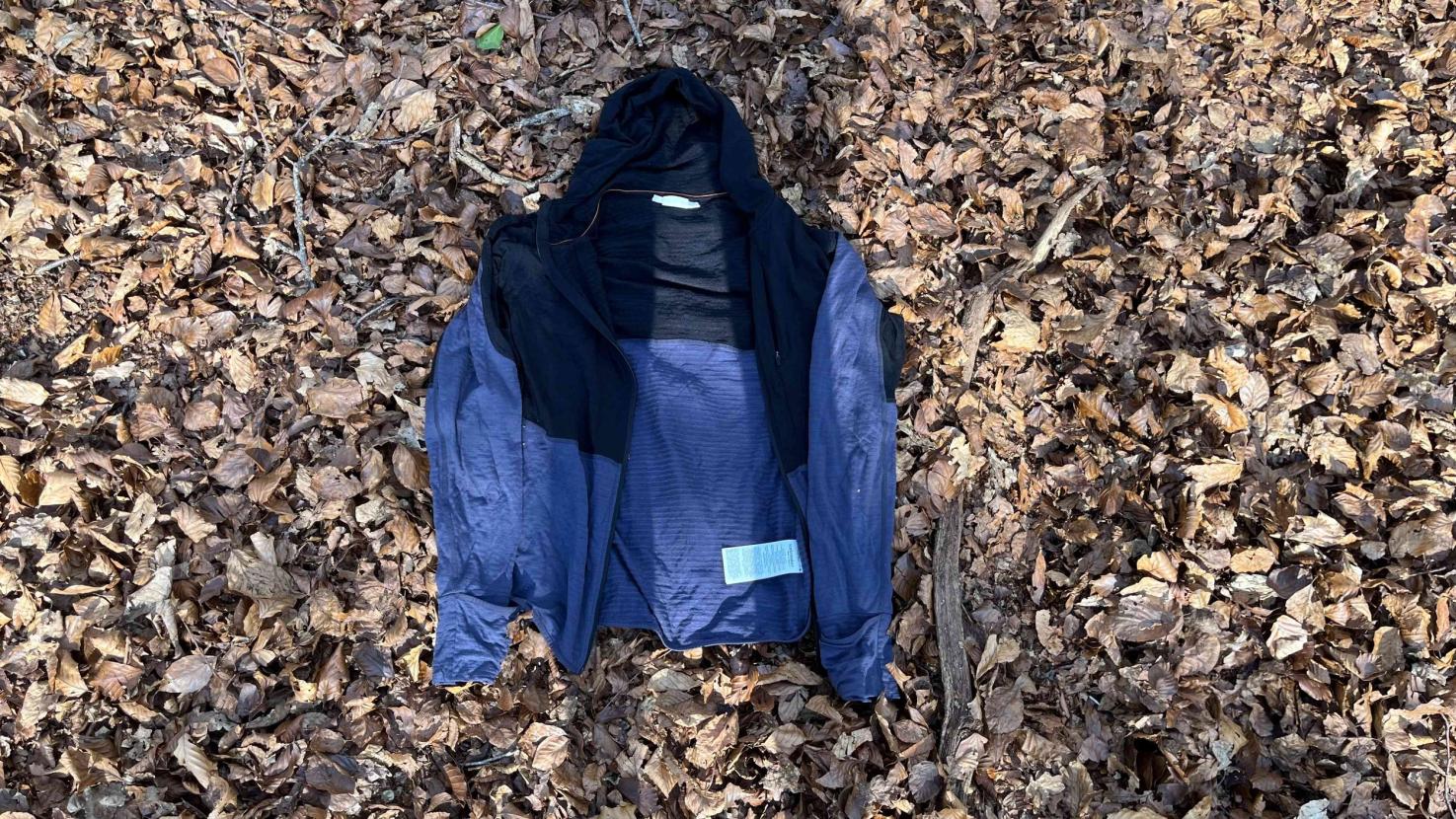
The Icebreaker Realfleece Descender is built for movement. Combining Merino wool with a touch of Lycra and recycled polyester, it stretches naturally and breathes brilliantly — perfect for fastpacking, trail running, or long climbs when you’re constantly changing pace.
It regulates temperature superbly, never feeling clammy even when you’re working hard. Flat seams prevent chafing under a pack, and the athletic fit layers neatly under an insulated jacket.
Light, durable, and astonishingly comfortable, it’s the one we reach for when speed and efficiency matter most.
 |
 |
 |
 |
| Read the full review → |
| Walk Britain’s national parks with an expert who knows themJoin guided day hikes across the Lake District, Dartmoor, Eryri and more.Browse hiking trips → | |

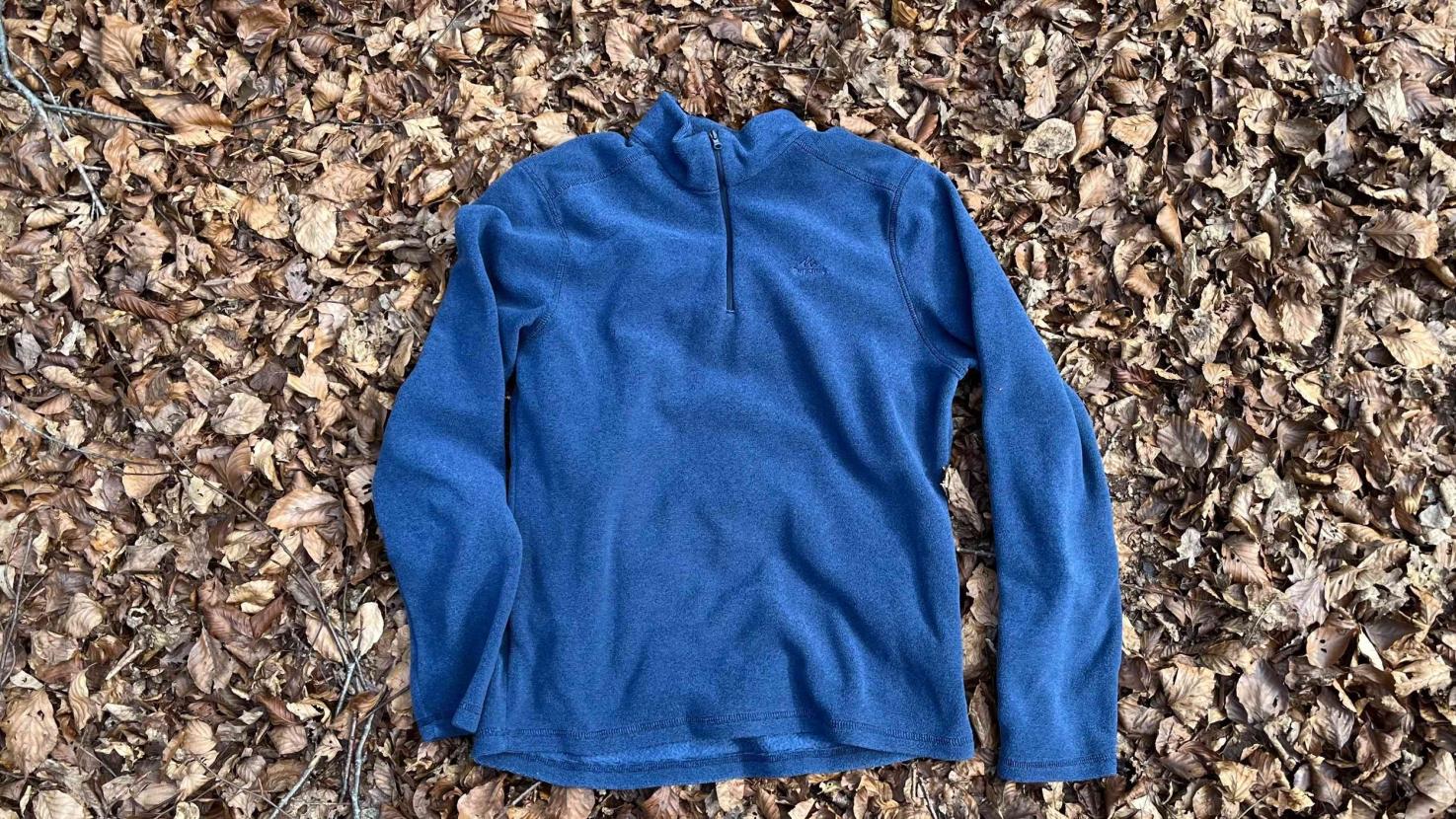
| Price£10–15 | TypeHalf-zip fleece | Best forBeginners / backup layer |
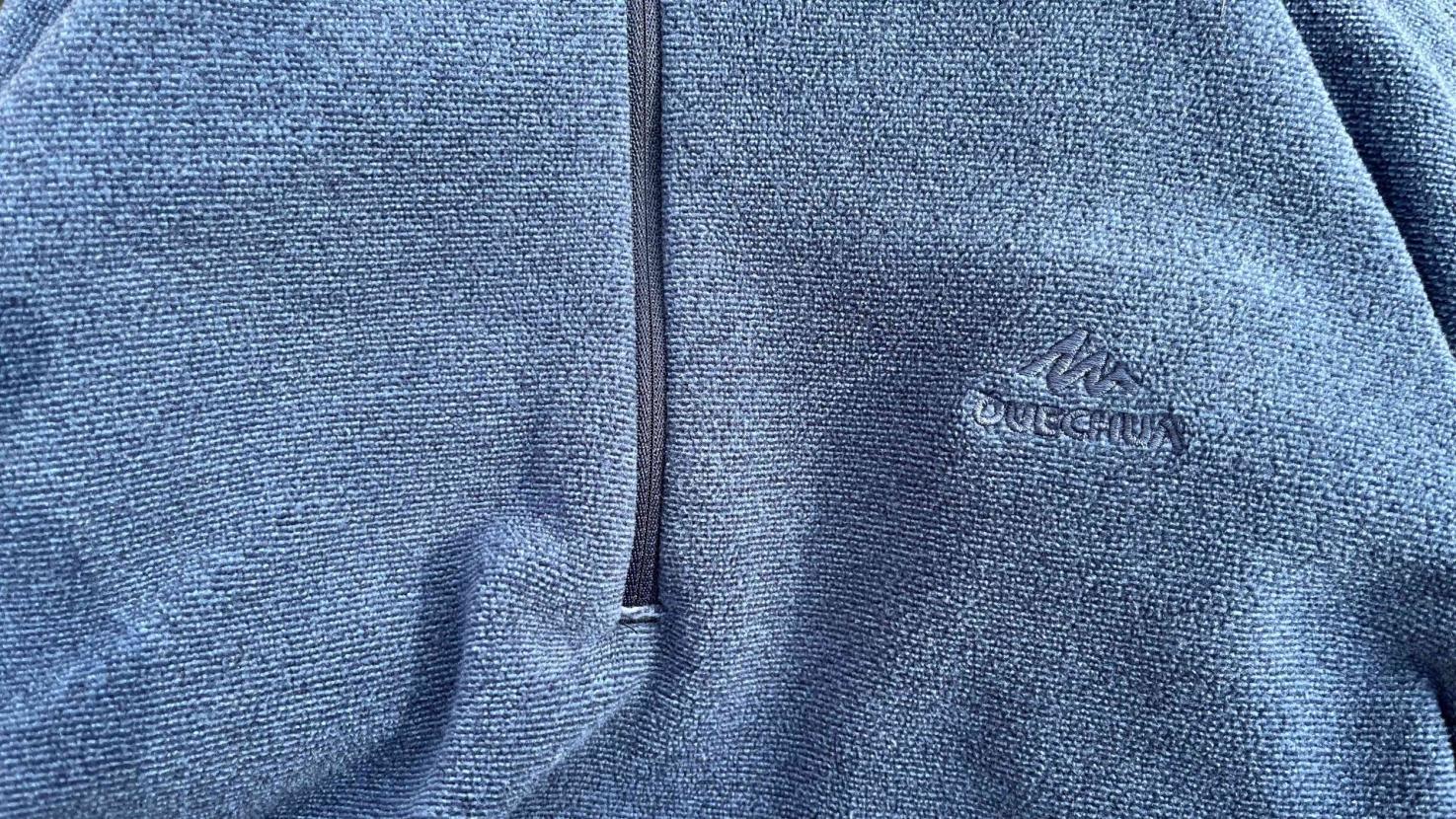
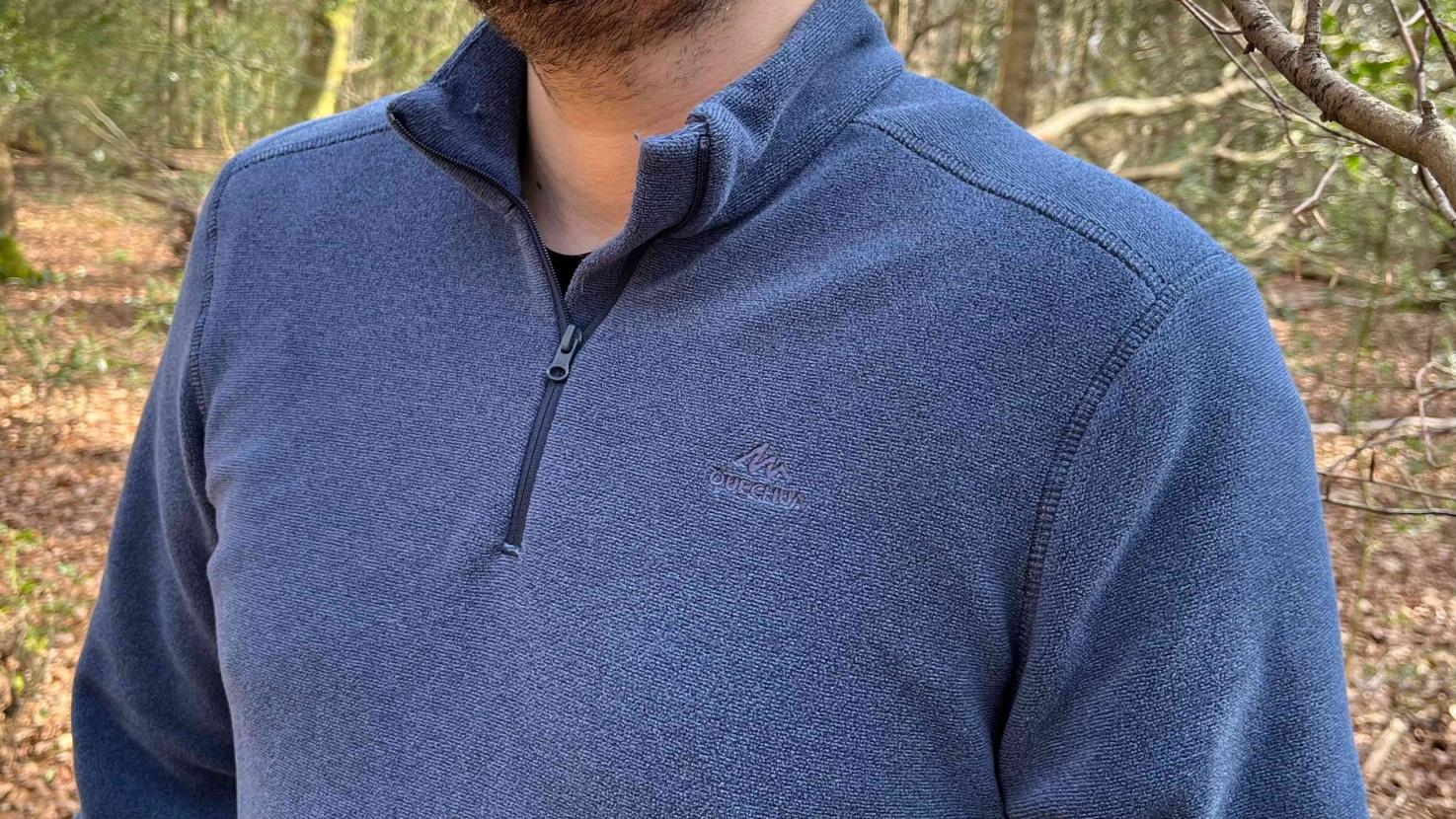
If value is your top priority, the Quechua MH100 is unbeatable. At around £10–15, this no-frills fleece delivers dependable warmth and comfort for everyday walking and camping.
It’s simple, soft, and surprisingly hard-wearing for the price. The regular fit layers easily, and the half-zip design makes ventilation quick and easy. Sure, it’s not windproof or high-tech, but for short hikes, car camps, or backup use, it’s an absolute bargain.
An ideal entry-level option that proves you don’t need to spend big to stay warm outdoors.
 |
 |
 |
 |
| Read the full review → | Buy from Decathlon → |
| InsulationPrimaLoft Gold Eco | ShellRipstop / wind-resistant | Best forAll-round / wet conditions |
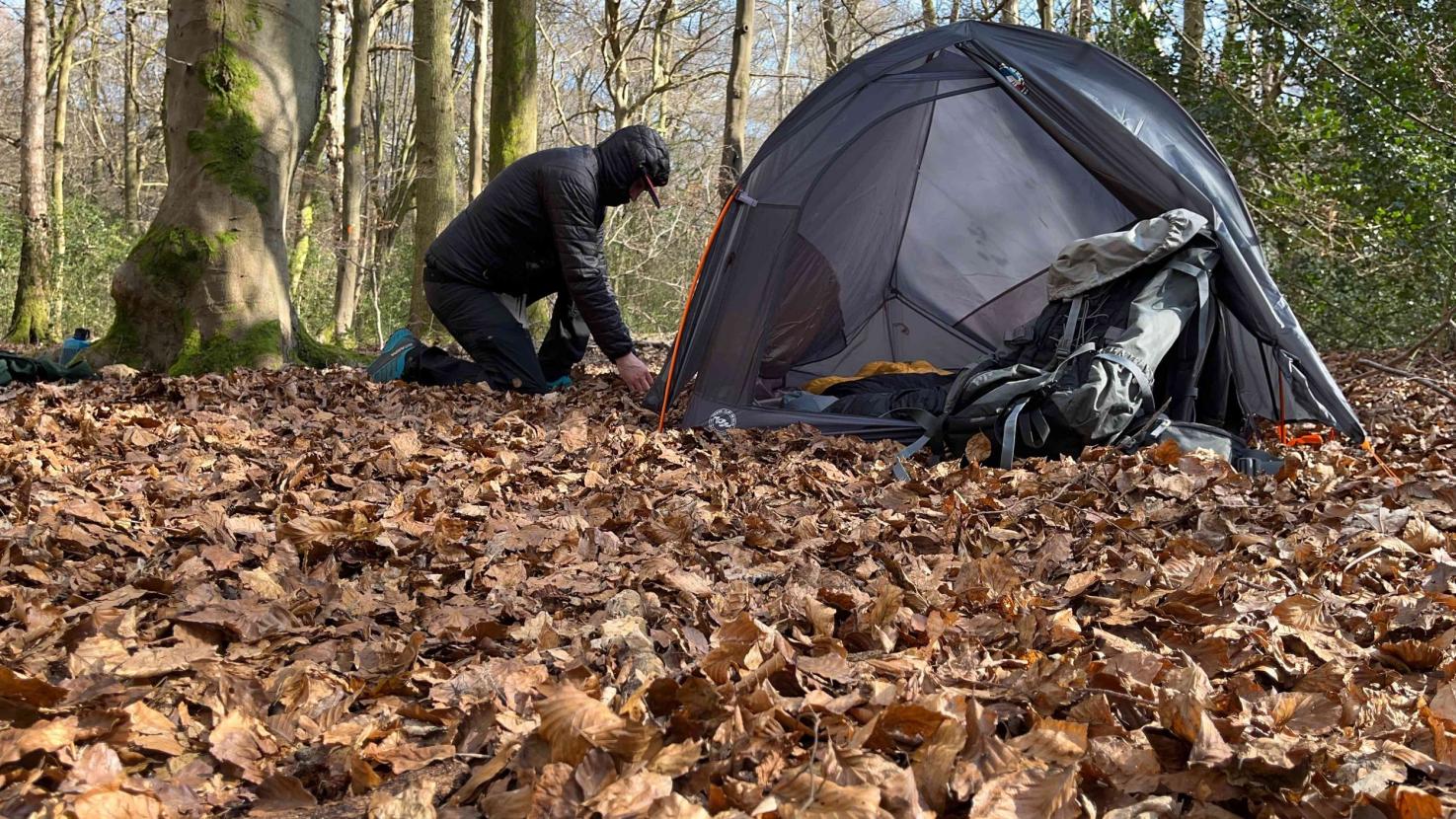
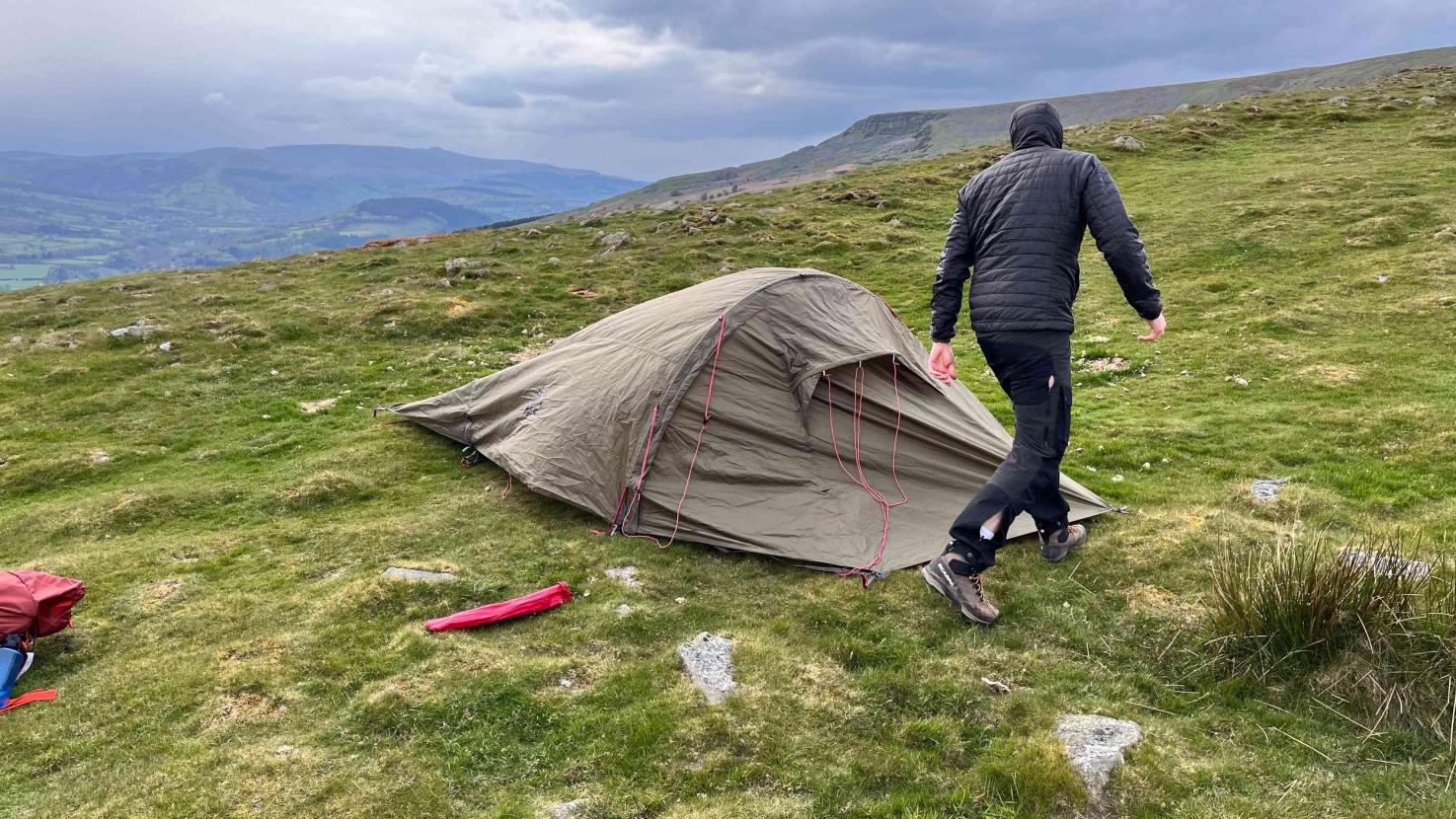
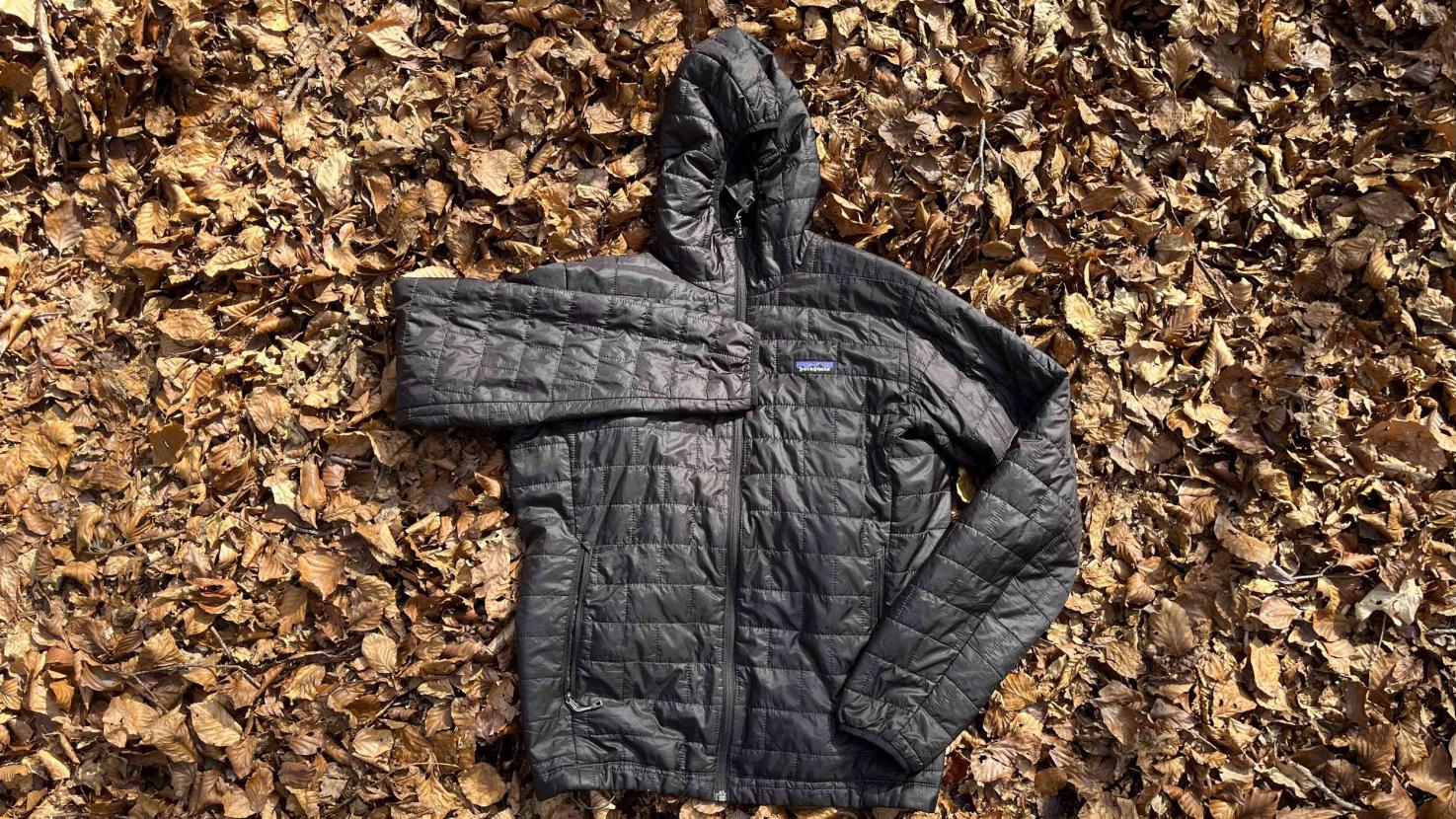
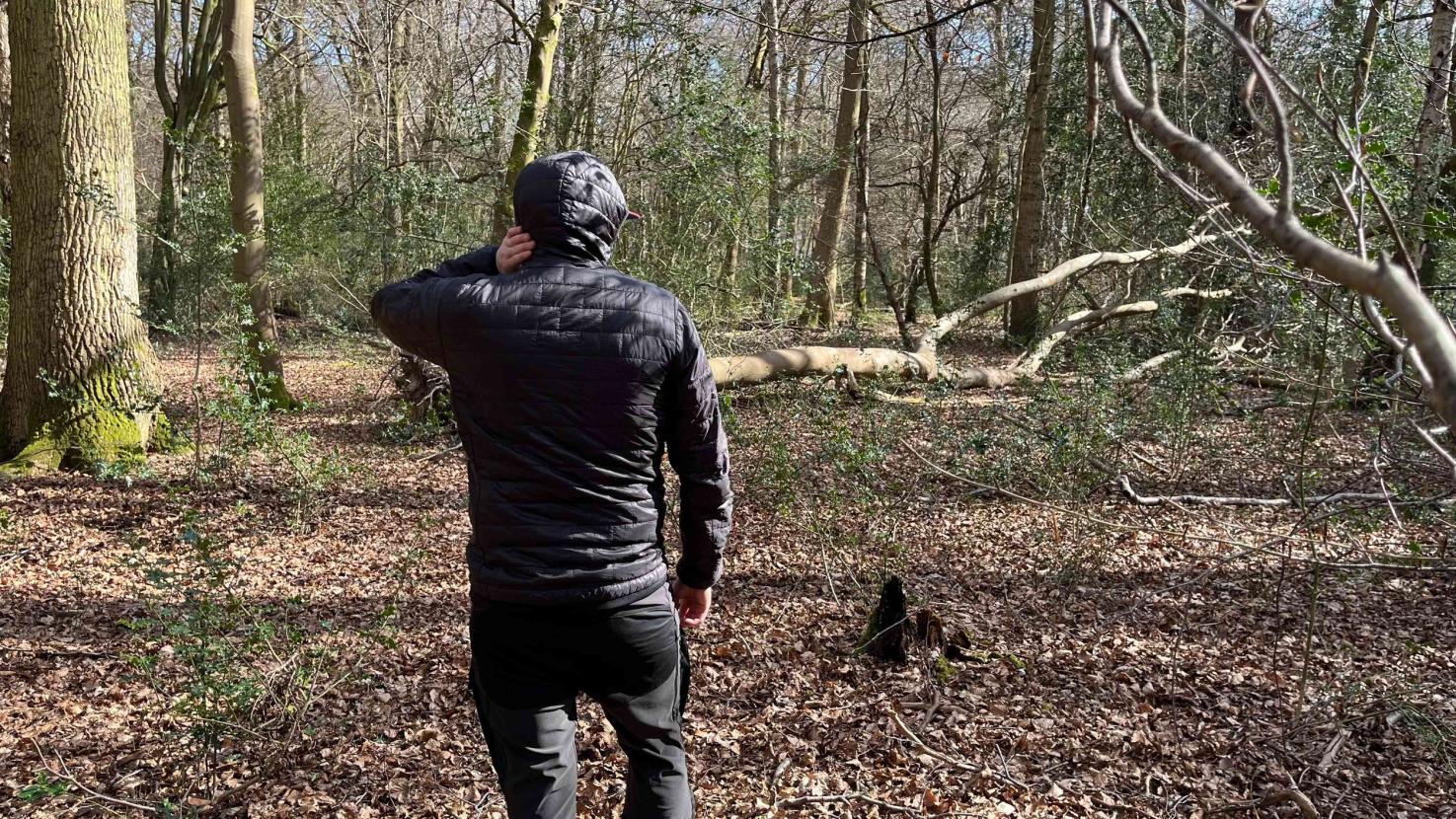
The Patagonia Nano Puff Hoody is a synthetic classic that blurs the line between midlayer and outer jacket. Its PrimaLoft Gold Eco insulation stays warm even when wet and dries fast — a big win in Britain’s famously damp climate.
It packs down small enough to live in your rucksack year-round, and the tough ripstop shell shrugs off daily wear. Breathable, wind-resistant and versatile, it’s a superb all-rounder that adapts from campsite to crag with ease.
Eco-conscious credentials and proven performance make this one of the most reliable midlayers ever made.
 |
 |
 |
 |
| Read the full review → | Buy from Absolute Snow → |
| Material100% superfine Merino | StyleQuarter-zip | Best forAll seasons / layering |
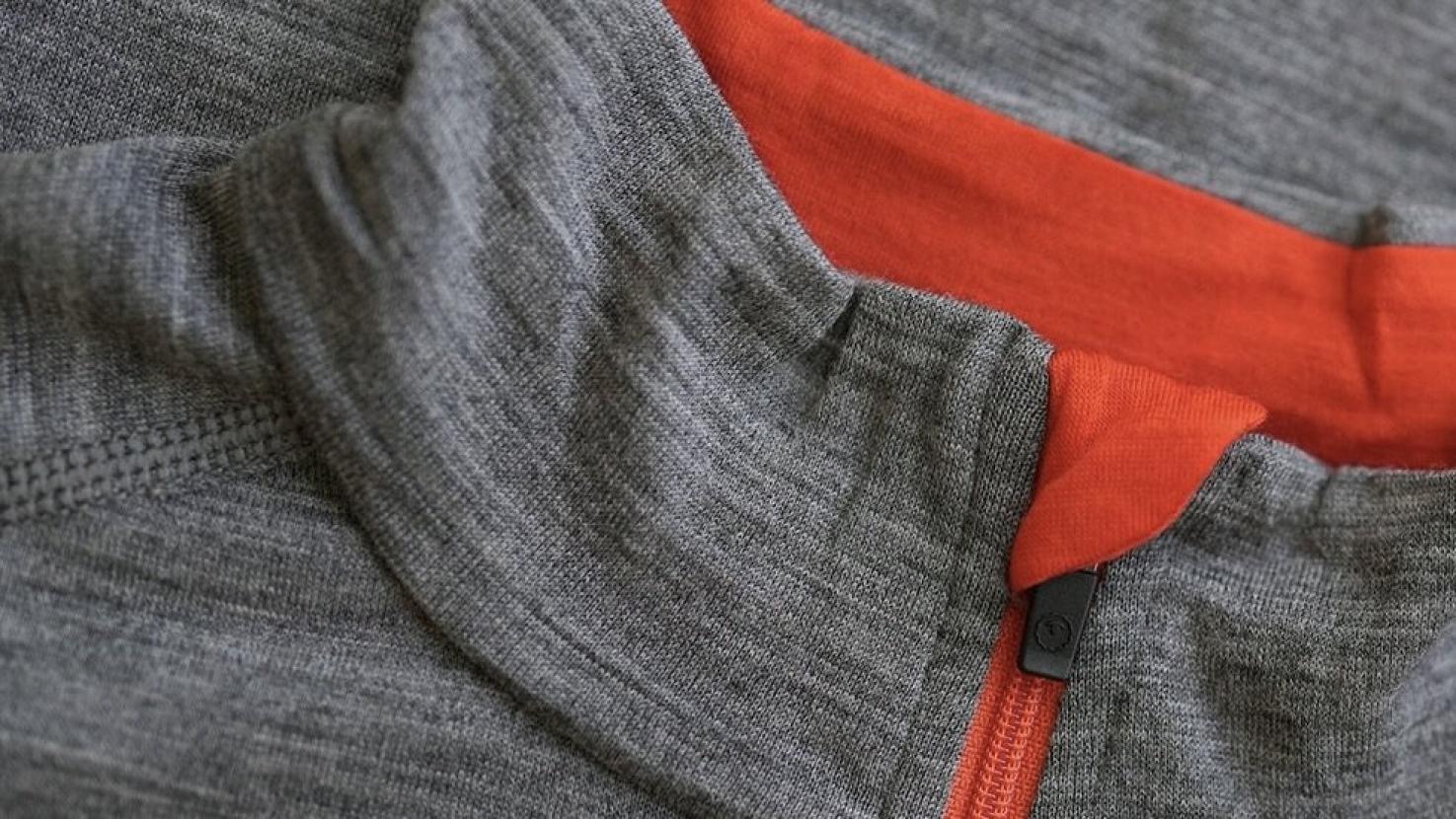
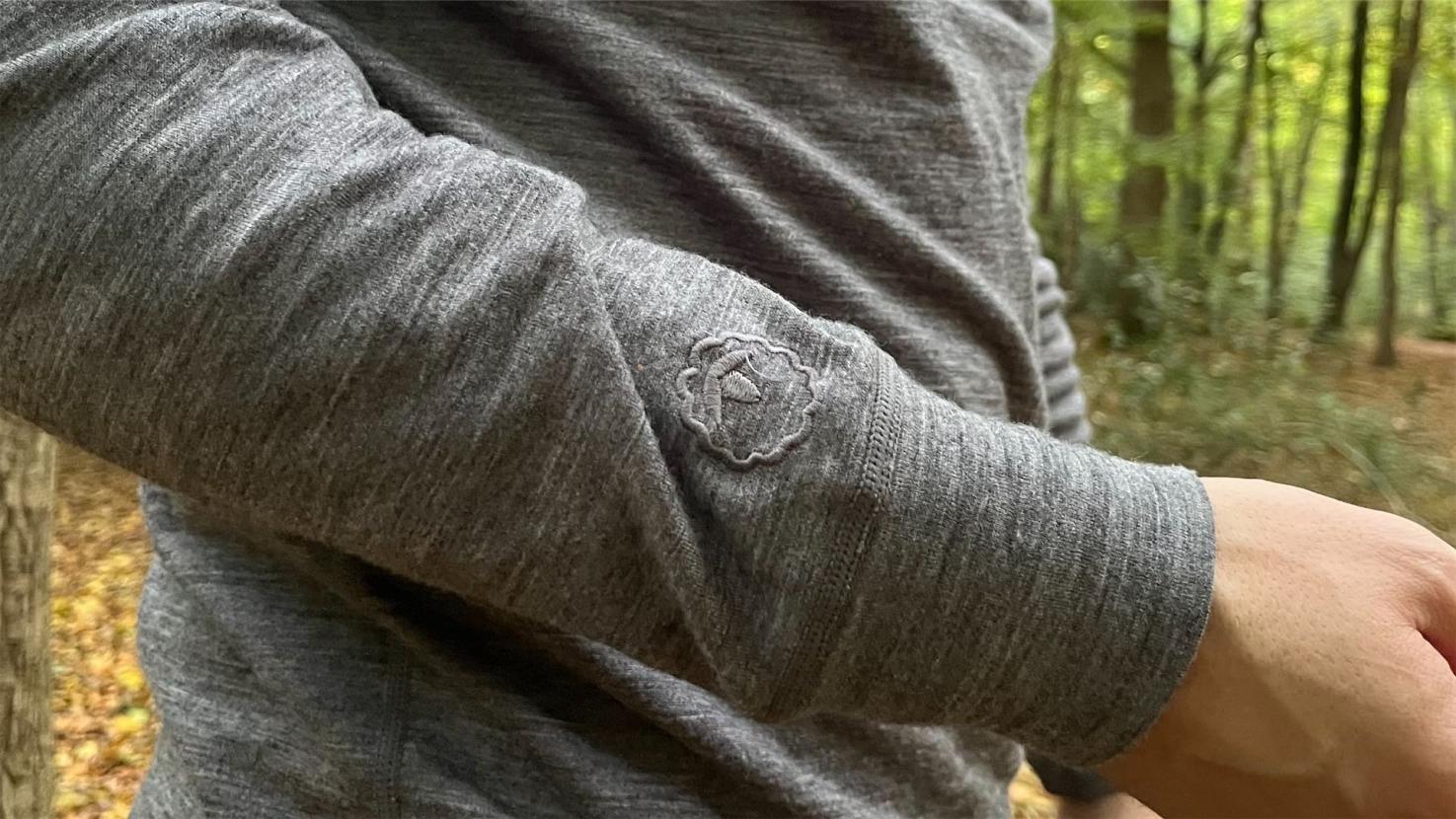
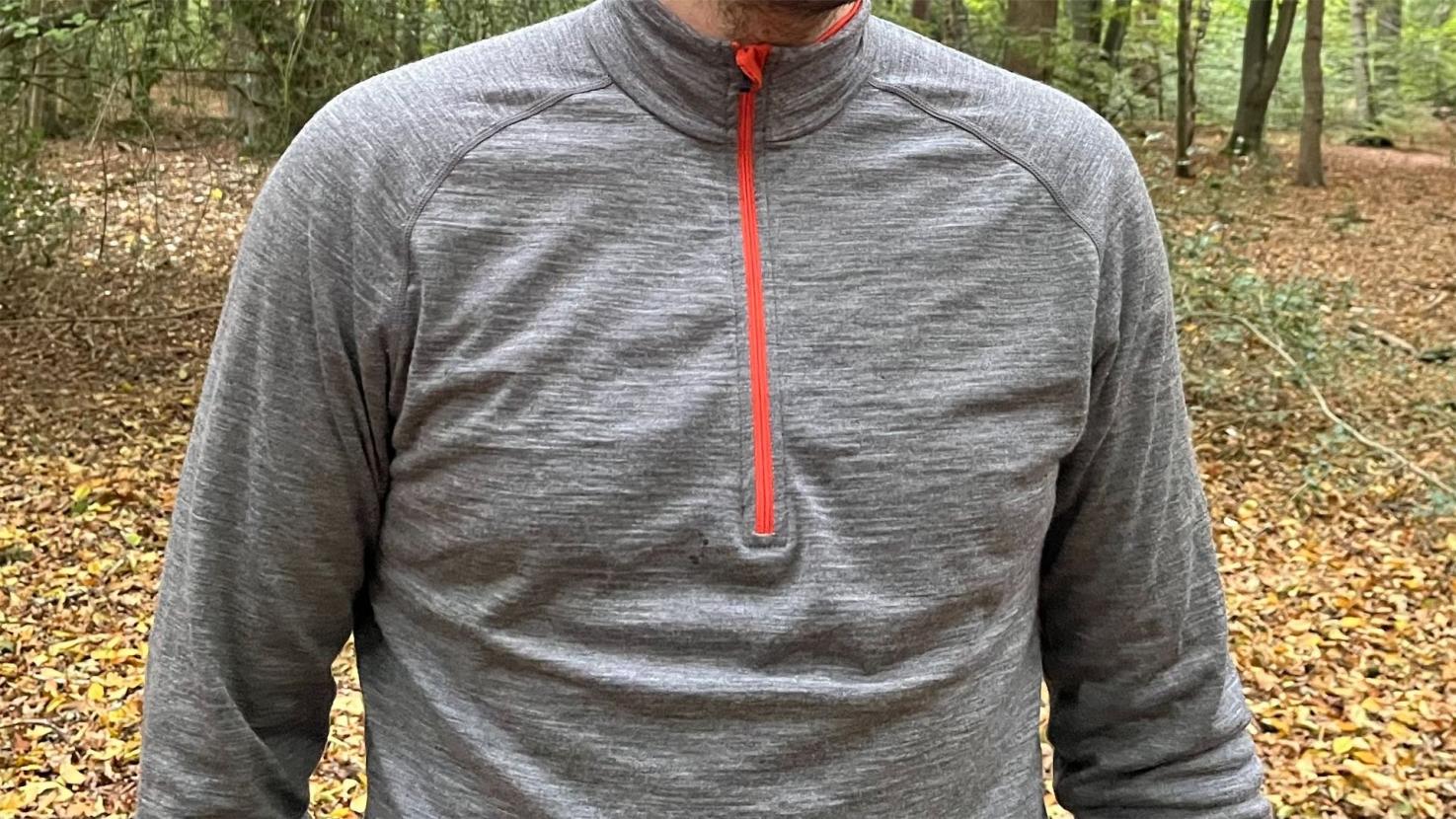
The Isobaa Merino 200 Zip Neck is the kind of piece that slips seamlessly from mountain trail to pub lunch. Made from 100% superfine Merino wool, it’s naturally breathable, odour-resistant and warm — ideal for layering under a jacket or wearing solo on mild days.
The quarter-zip neckline gives instant venting on steep climbs, while flat seams and soft fabric keep it comfortable for all-day wear. It’s understated, good-looking and practical, proving that technical kit doesn’t have to look technical.
If you want one midlayer for every season, this is a timeless choice.
 |
 |
 |
 |
| Read the full review → | Buy from Isobaa → |

| Material100% recycled polyester | Best forDaily use / shoulder seasons | StyleFull-zip |
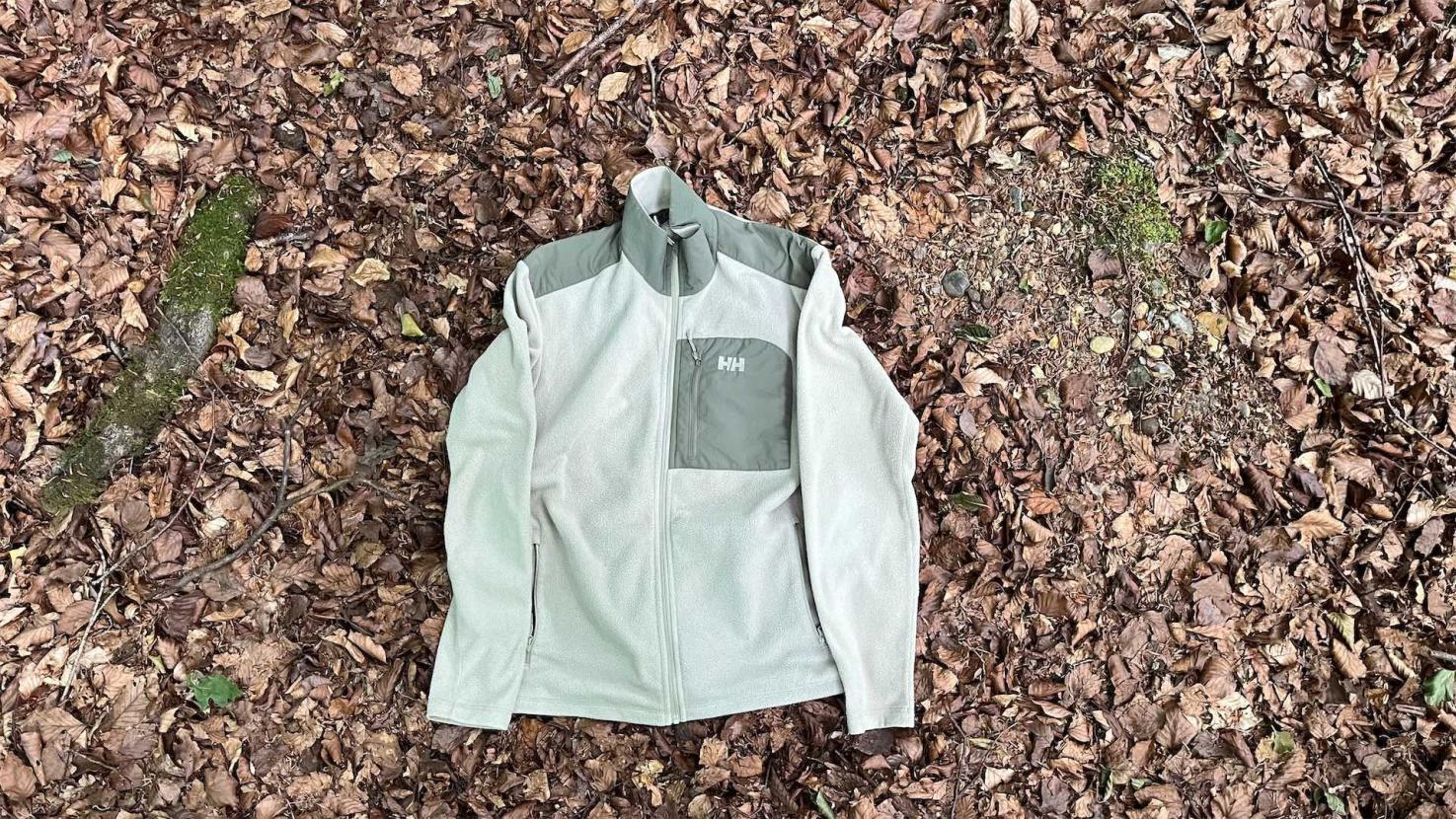
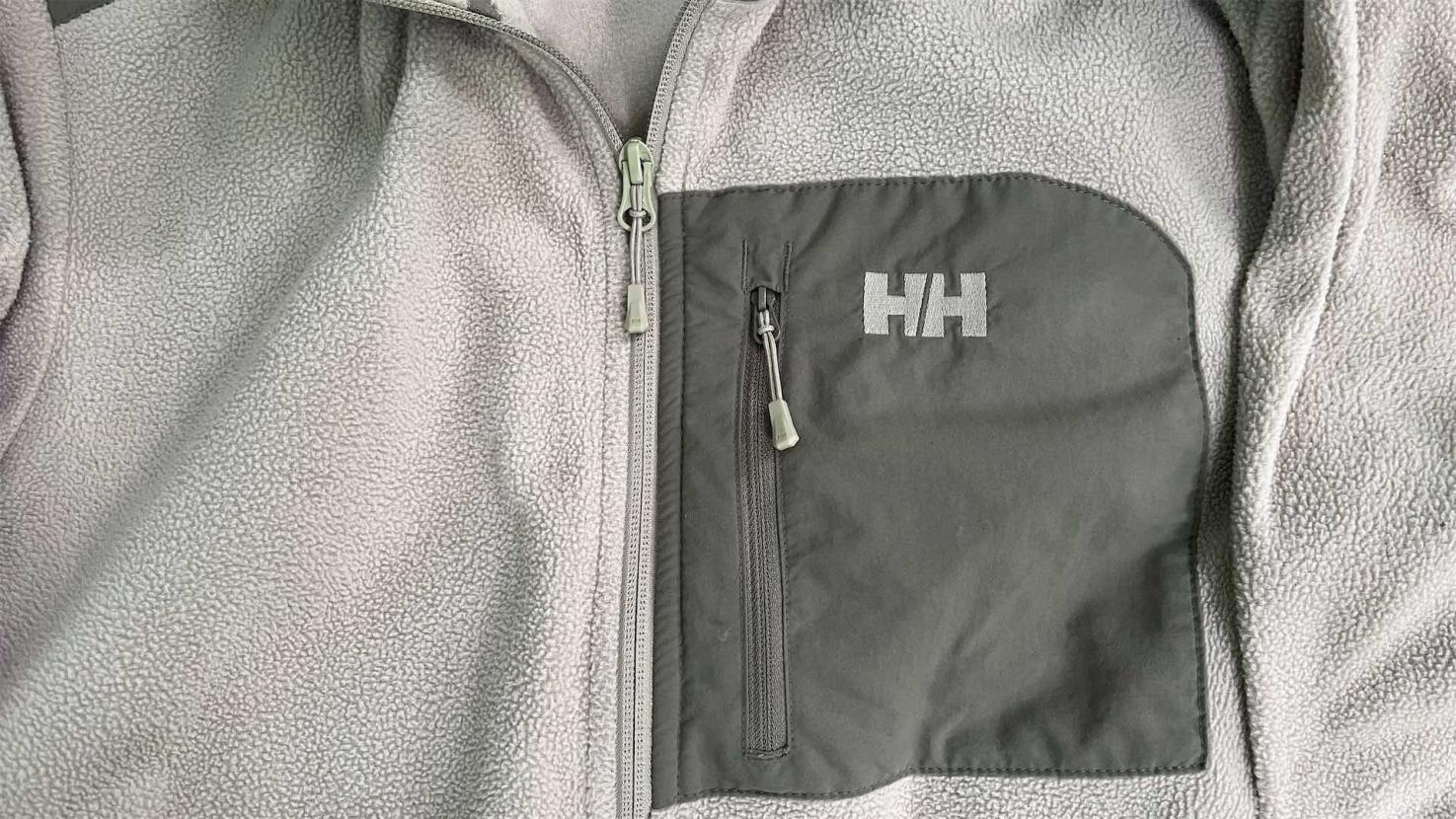
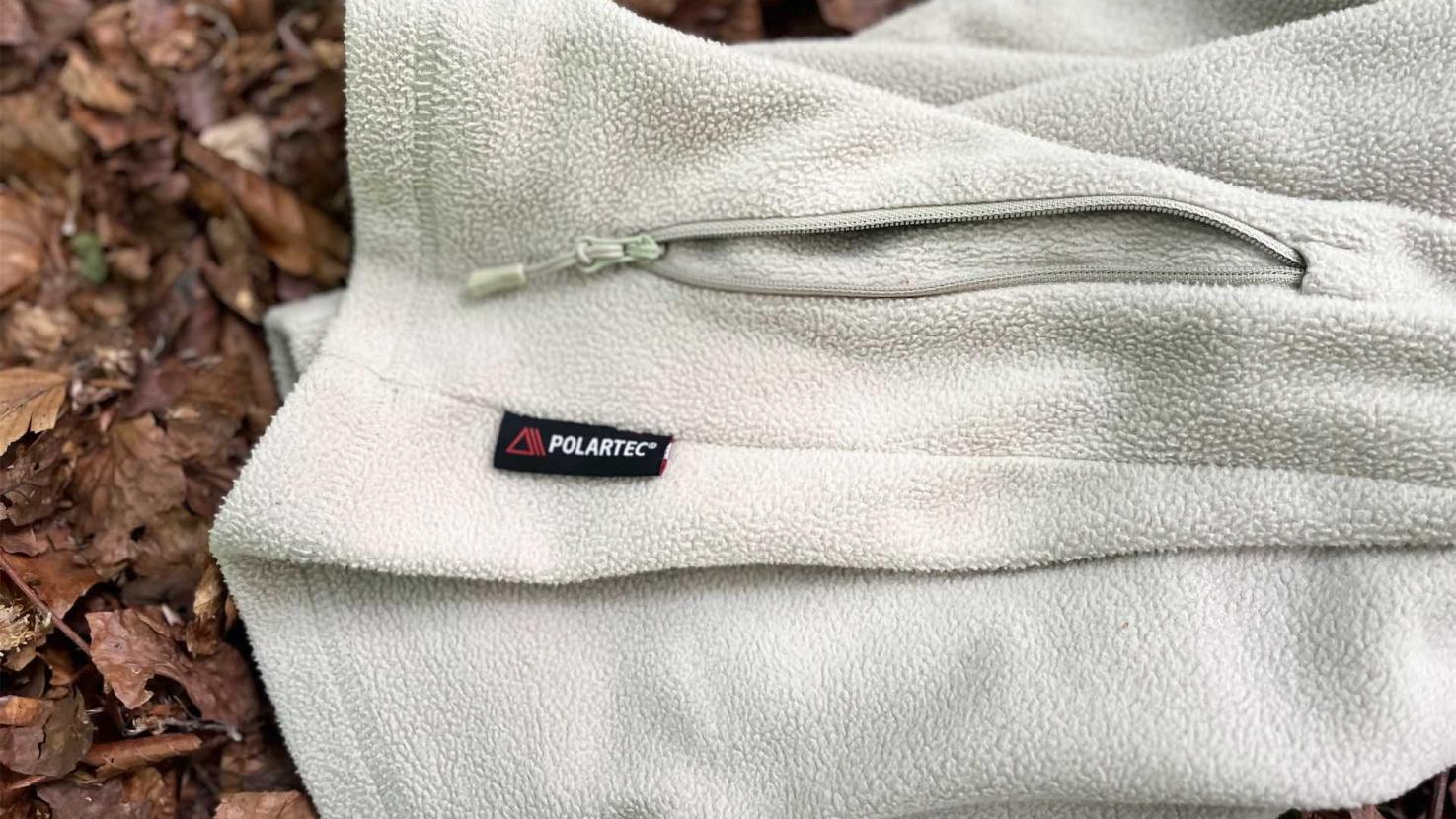
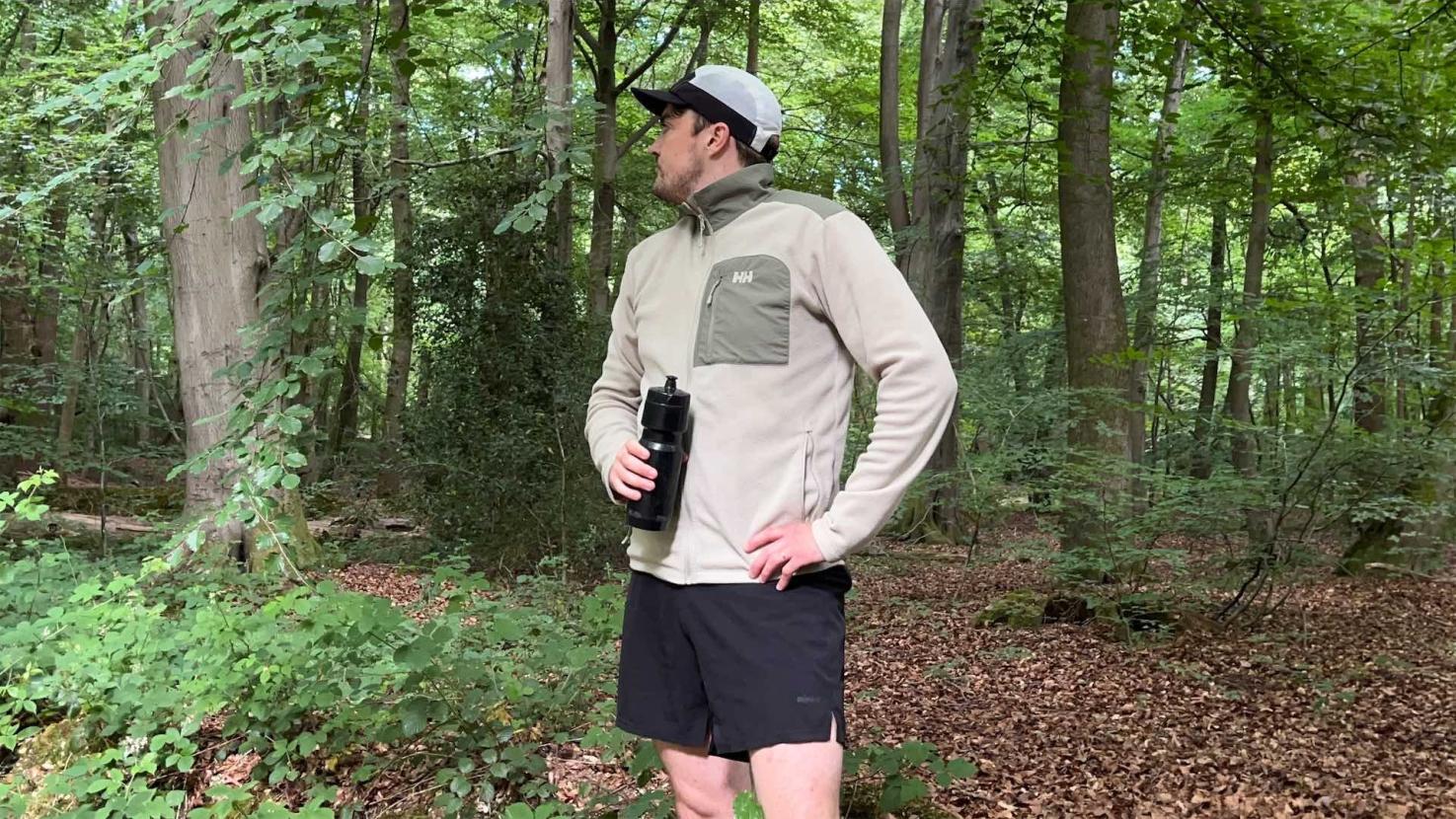
The Helly Hansen Daybreaker Block Microfleece is everything you want from a classic fleece — simple, dependable, and ready for daily use in the British outdoors. Made from 100% recycled polyester, it delivers a great balance of lightweight warmth and quick-drying practicality, making it ideal for shoulder-season hikes, campsite evenings, and everyday layering.
The smooth exterior slides easily under a waterproof shell, while the brushed inner traps just enough heat without ever feeling bulky. It breathes well on the move and dries fast after a shower or a sweaty climb. The fit is trim but comfortable, with a soft stand-up collar that adds a touch of extra protection when the wind picks up.
It might not have the technical credentials of pricier grid fleeces, but that’s exactly what makes it so versatile. Affordable, durable, and reliably warm, the Daybreaker is the kind of fleece you’ll reach for time and again — from morning dog walks to mountain weekends.
 |
 |
 |
 |
| Read the full review → | Buy from Helly Hansen → |
Best midlayers for UK adventures 2026: FAQs
What’s the difference between a fleece and an insulated midlayer?Fleeces are usually made from knitted synthetic fibres like polyester, designed to trap warm air while allowing moisture to escape. They’re light, breathable and quick to dry — ideal for active use or damp British conditions. Insulated midlayers use either synthetic fill or down to provide extra warmth. They’re generally warmer for their weight but not quite as breathable, making them better suited to colder or more static days outdoors. Many people own both and choose depending on season and activity.
Is Merino wool better than synthetic materials for UK use?That depends on how and where you’re using it. Merino wool is naturally soft, breathable and odour-resistant, making it excellent for multi-day trips where you want comfort and freshness. It also regulates temperature brilliantly, keeping you warm when it’s cold and cool when you’re working hard. Synthetic fabrics dry faster and are often more durable, so they tend to perform better in consistently wet conditions. Many modern midlayers blend Merino with synthetics to balance performance and longevity.
How should I wash and care for my midlayer?Always check the care label first. In most cases, a cool wash (30°C or lower) with a gentle, non-biological detergent works well. Avoid fabric softeners — they can clog the fibres and reduce breathability. For Merino, use a wool-specific wash and let it air-dry flat. Synthetic or insulated midlayers can usually go on a low tumble-dry setting, which helps reactivate the loft in the fibres. Store your midlayers clean and fully dry to avoid odours or mildew.
Do I need a windproof midlayer for UK hiking?Not necessarily, but it depends on what you’re doing. Traditional fleeces are rarely windproof, which is why pairing them with a good shell makes sense in blustery conditions. However, if you often walk in exposed or coastal areas — or across open moorland like Dartmoor — a lightly wind-resistant midlayer can add noticeable comfort without needing to pull on your waterproof every time the breeze picks up.
What’s the best layering system for hiking in Britain?The classic three-layer system still works best: a moisture-wicking base layer, a warm and breathable midlayer, and a protective shell for wind and rain. Adjust layers as your effort level and the weather change. For most UK hikes, that means a light Merino or synthetic base, a fleece or insulated midlayer, and a waterproof jacket you can quickly throw on when the heavens open. Simple, adaptable, and proven for British weather.
Can I wear my midlayer as an outer jacket?Absolutely — in many situations, that’s what they’re designed for. A fleece or insulated midlayer makes an excellent outer layer in dry, cool conditions, or when you’re moving fast and don’t want to overheat. Just remember that most aren’t fully weatherproof. If rain’s in the forecast (which, let’s face it, it usually is), carry a lightweight shell so you can stay dry without losing that valuable warmth.
What weight midlayer should I choose for different seasons?For summer and high-output activities, a lightweight grid fleece or thin Merino layer (100–150gsm) is usually plenty — mostly for campsite use or rest stops. Spring and autumn call for something in the mid-weight range (200–300gsm), versatile enough for active hiking and colder mornings. In winter or for static use at high altitude, a heavyweight fleece (400gsm+) or insulated synthetic/down midlayer delivers the most warmth. The Isobaa Borg at 420gsm is a good example of where heavyweight Merino blend becomes genuinely expedition-capable.
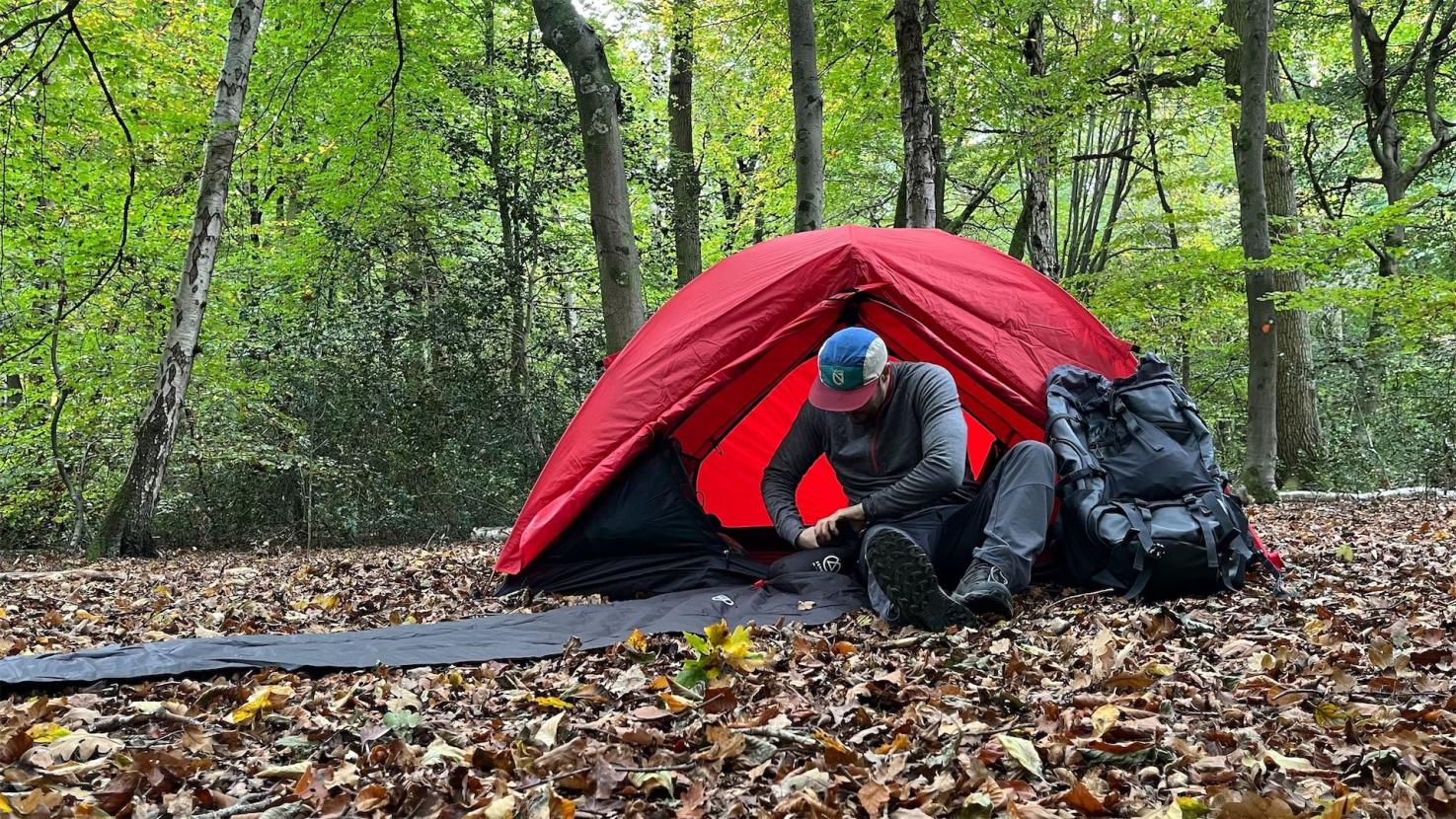
What midlayer is best for wild camping in the UK?For wild camping, you want something that works hard at camp when your body temperature drops. A mid-weight fleece or synthetic insulated jacket is the go-to — something you can pull on quickly over a base layer when you stop for the night. Merino blend fleeces like the Isobaa Borg are excellent for their packability and odour resistance on multi-day trips. In colder months, pair your fleece with a down or synthetic puffy like the Patagonia Nano Puff for a versatile, layerable system.