
Andrew William
Consulting Editor
Wild CampingOspreyBackpack
Osprey Kestrel 48 review: the pack that has never broken in five years
Comfortable under real loads, tough enough to shrug off years of granite and genuinely hard to fault for a couple of nights out.
Some packs impress in a shop and disappoint on the hill. The Osprey Kestrel 48 has done the opposite. We’ve used ours for more than five years, on Dartmoor, in Snowdonia, across the Lake District and in Scotland, and it is still the pack we reach for first for almost every leisure trip. It carries a meaningful load comfortably, it is brilliantly organised and, most importantly, nothing on it has broken.
✓ Top PickOsprey Kestrel 48
Capacity48 litresWeight1,710 gRRP£200
The good✓ Comfortable at 10kg and up to 15–16kg
✓ Excellent organisation and external storage
✓ Buckles and zips still work after five years
✓ Integrated raincover that is always there
✓ Intuitive to pack and unpack
✓ Well-ventilated AirScape back system
The not-so-good✗ Not an ultralight pack
✗ 48 litres is a hard ceiling with bulky kit
✗ Mesh has lost some stretch over time
Check out the Osprey Kestrel 48 →
At a glance
| Brand | Osprey |
| Model | Kestrel 48 (Medium) |
| Capacity | 48 litres |
| Back system | AirScape |
| Rain cover | Integrated |
| Weight | 1,710 g (Medium, independently weighed) |
| RRP | £200 |
| Ideal for | One to three nights of hiking and camping with compact kit |
| Not suitable for | Bulky specialist kit such as photography gear plus a full camping setup |
Overview
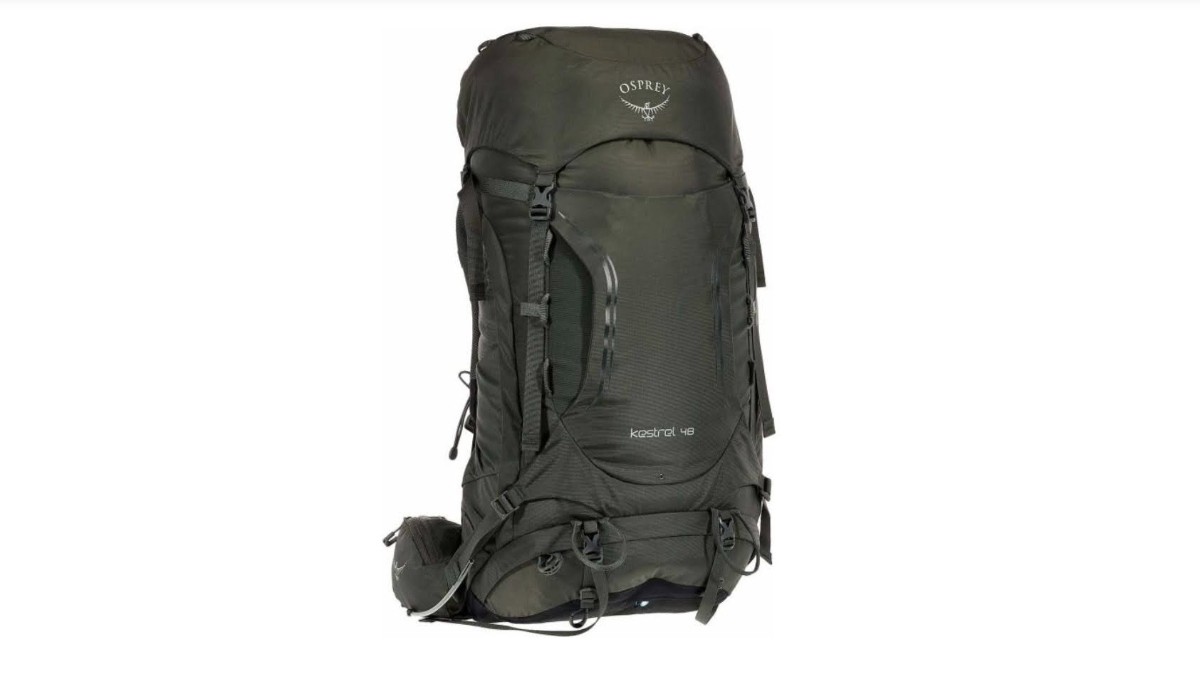
The Kestrel 48 is a versatile multi-day hiking and backpacking pack, designed to carry enough kit for anything from a long day in the hills to a couple of nights camping. It sits in a sweet spot: too small for proper expedition camping, but not unnecessarily large for a night or two away. It is comfortable under a meaningful load, has excellent organisation and external storage, and has proved exceptionally durable.
It solves a very simple problem. It gives you enough space to get everything you need for a couple of days in the hills without carrying a massive expedition pack.
A note on price
We bought our Kestrel for less than the RRP, after finding a cheaper price online and getting Go Outdoors to price match it. Even so, after more than five years of use we would be comfortable paying today’s £200 for it. We no longer look at the price in isolation: this pack has been used across Wales, Dartmoor, the Lake District and Scotland, in summer, winter, rain, snow and temperatures down to around -15°C, loaded to 15–16kg, on hundreds of days out. Nothing has broken. Divide £200 across that much use and it looks like very good value indeed.
There are lighter packs available for similar money, but if durability, comfort and reliability matter to you, we think the price is absolutely justified.
How we tested
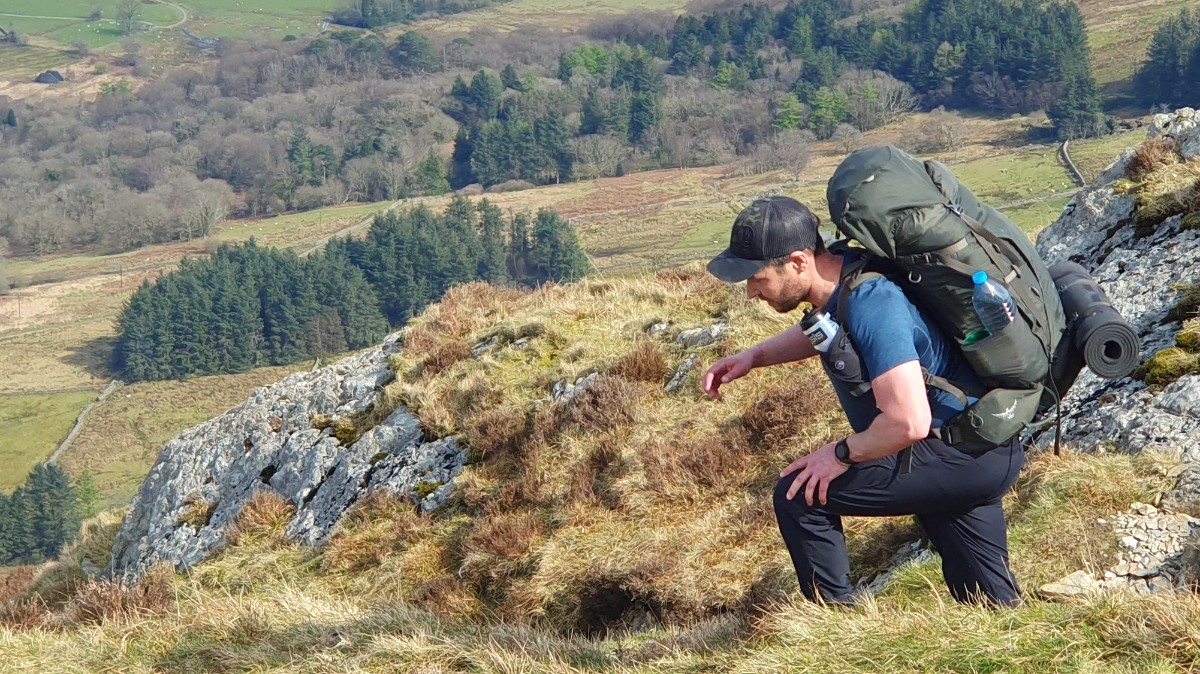
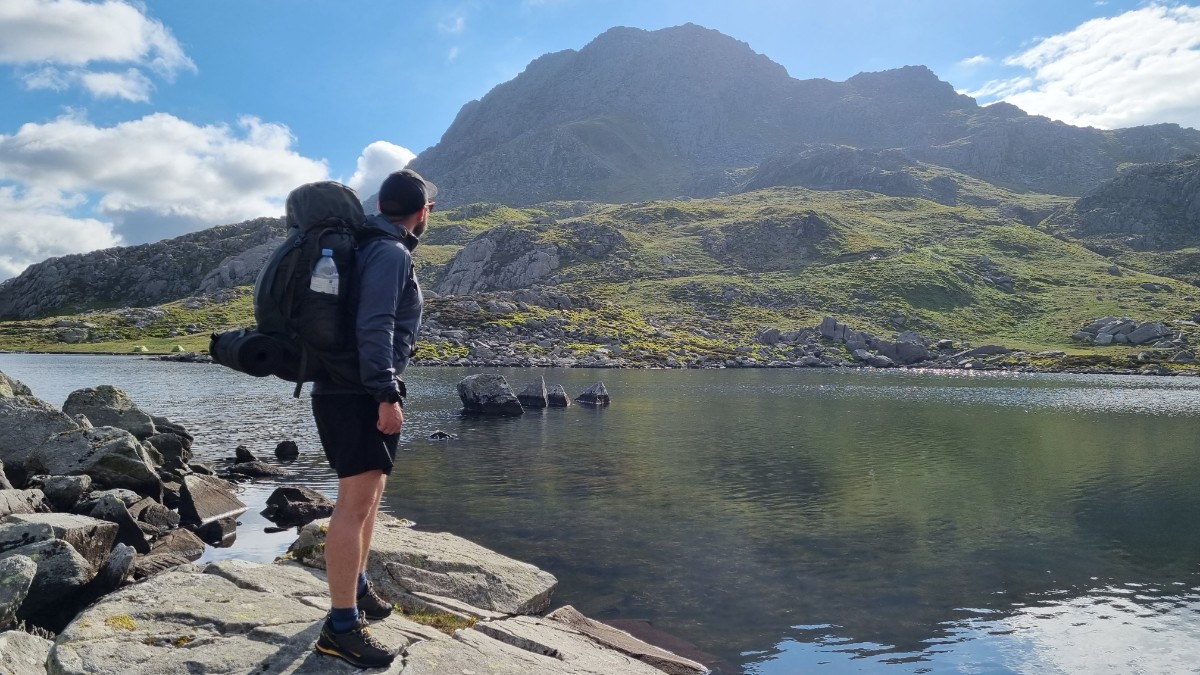
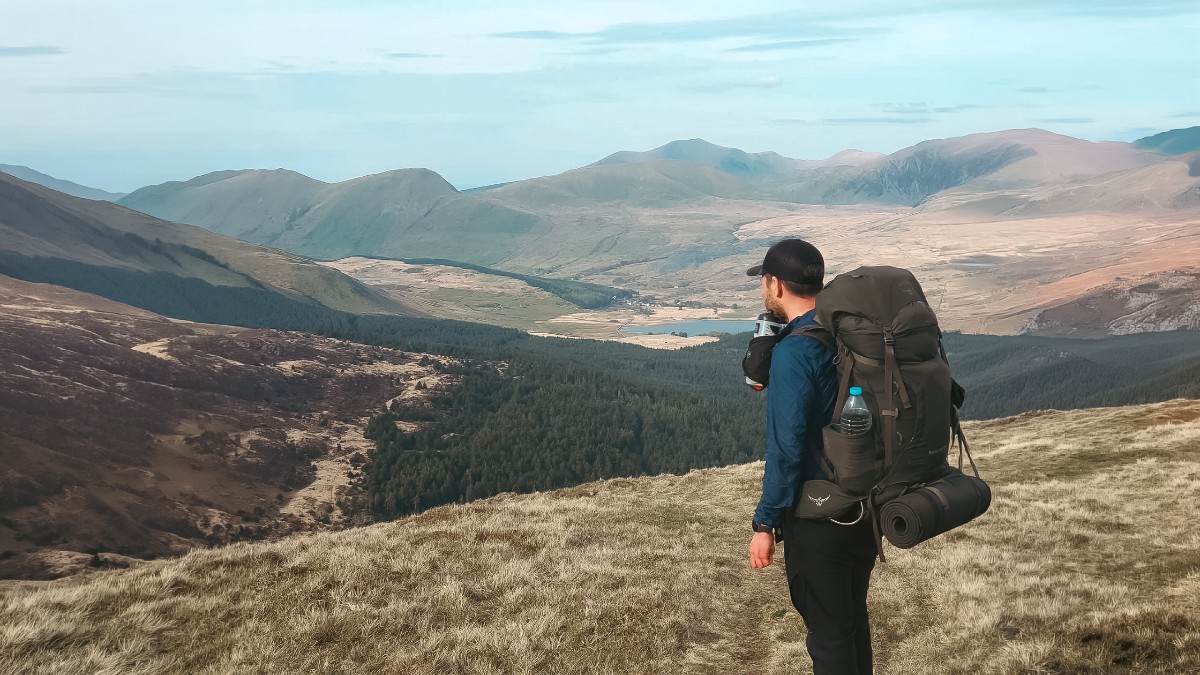
The Kestrel has been our main pack for more than five years. One trip that stands out took it into the Glyderau in Wales, taking in Pen y Olwyn, Garnedd Dafydd and Garnedd Llewellyn, camping out and then walking back. We have also carried it on the Snowdon Horseshoe, in weather that was typically Welsh: changeable, wet and misty. The next day in the Glyderau was almost the complete opposite, with blue skies and some serious heat. Between them those trips covered long days, steep terrain and changing conditions, all while carrying everything needed for camping.
Dartmoor is where the Kestrel has really become the default. We have taken it out hundreds of times, on everything from shorter days to longer camping trips, alone or with a mate. It is the pack we reach for whenever we are simply going away for a couple of days.
It has also been to Scotland on a winter mountaineering course, in genuinely cold conditions down to around -15°C, and across the Lake District and other UK mountain environments. A typical overnight load is now around 10kg, and earlier in its life we have carried as much as 15–16kg. It has stayed comfortable throughout.
Features and performance
Packing it without thinking
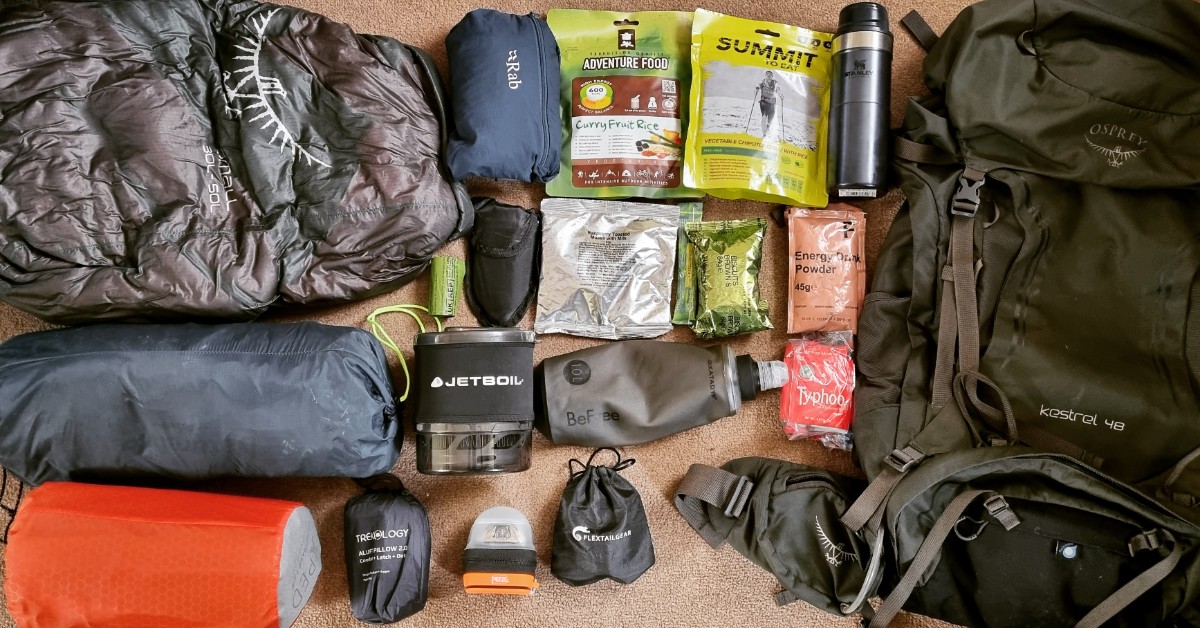
This is one of the reasons we keep coming back to the Kestrel: it is a very intuitive pack. After five years we know exactly where everything goes and can pack it almost without thinking. We pack according to when things will be needed. Sleeping kit goes towards the bottom, with the sleeping bag either compressed or stuffed loose into the base. The sleeping mat, tent, Jetboil and other camping kit go into the main compartment, with smaller items filling the gaps. The top pocket takes food, one side pocket takes a water bottle, the other takes a BeFree water filter, and the front mesh is ideal for a rain jacket that needs to be grabbed quickly. It is simple, practical and completely familiar.
Comfort under load
The AirScape back system is reasonably well ventilated and gives a comfortable, supportive platform without making the pack feel unstable. We have worn the Kestrel for some seriously long days, and while a sizeable load will always cause fatigue eventually, we have never associated discomfort with the pack itself.
The Medium suits a fairly short-to-average build well, and the adjustable shoulder straps, hipbelt and upper adjustment let us dial in the fit, which matters most when carrying 10kg or more. Even at the heavier end, 15–16kg, it has stayed comfortable. That is a big part of why it has remained our go-to: it is not only comfortable empty in a shop, it is comfortable once it is filled with the kit for a real adventure.
“The zips still work. The mesh pockets are still intact. The buckles work. The adjustment systems work. The raincover works.”
Storage that earns its place
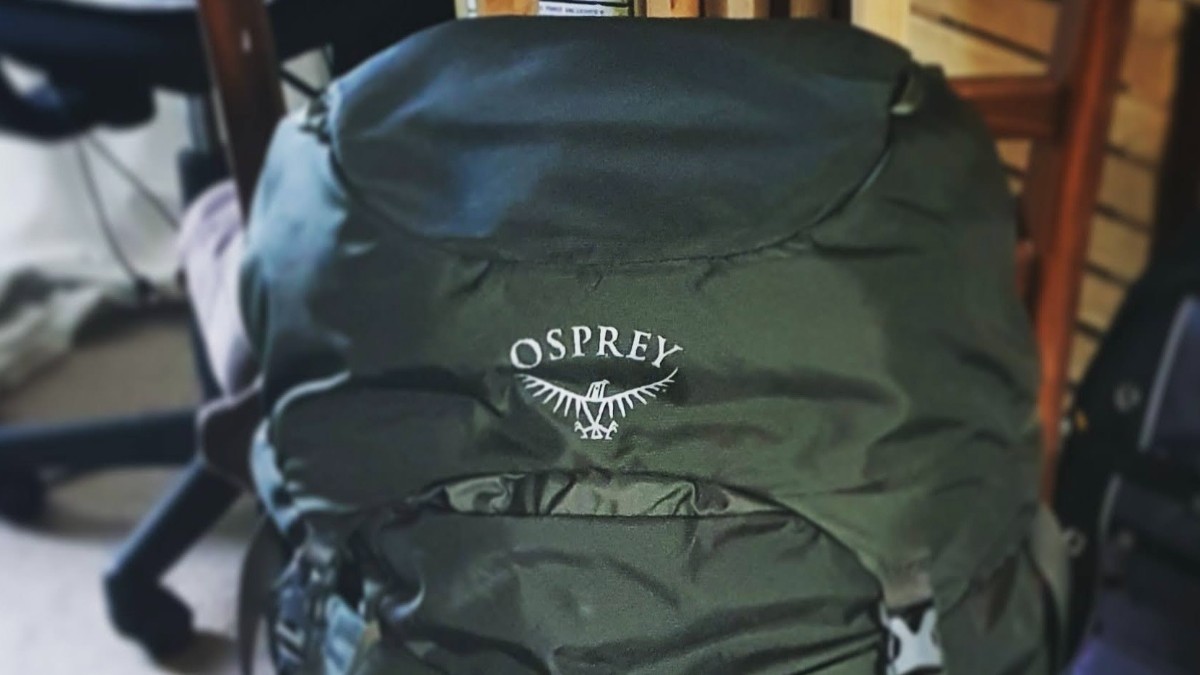
The side pockets are exactly the sort of simple feature we use constantly. One normally carries a water bottle, the other a BeFree filter. There is also a zipped section where we often put the poles from whichever tent we are carrying: pack the tent body down as compactly as possible, then slide the poles into the side. The top lid has consistently been the right size for food and the things we want to reach without opening the main compartment. The external mesh is ideal for a rain jacket or anything else needed during the day. None of it sounds revolutionary, but it makes a real difference in use.
Raincover and the hydration sleeve
The integrated raincover has been excellent. With it permanently stored on the pack there is no separate cover to remember, and when the weather turns it is immediately to hand. We have used it in plenty of typically British wet weather, including around Snowdonia, and always found it dependable.
The hydration sleeve is a more unusual story: we have never used it for a bladder. Instead, our little fold-up sit mat lives there. It is exactly the sort of thing that can otherwise get lost, blow away or become awkward to store, and in the Kestrel it stays securely tucked away but easy to reach.
Buckles and overall durability
The buckles are one of our favourite things about the pack. We have genuinely stood on them, and they survived. We have had other packs, including military equipment, where standing on a plastic buckle would have snapped it, but the Kestrel’s buckles have repeatedly taken that sort of abuse and carried on working.
Durability is the biggest feature of all. After more than five years the zips work, the mesh pockets are intact, the adjustment systems work and the raincover works. There are a couple of scuff marks from putting it down on granite, and the mesh has lost a little of its elasticity, but that is about it. For a pack used this hard, that is remarkable.
The cold-weather footnote
On the Scottish winter course, the pack itself kept working as it should in conditions down to around -15°C. The only thing we really remember struggling with was that the water in the side pockets froze. That is hardly the Kestrel’s fault, so we will put it down to dependable Scottish winter weather.
Weight and size: the trade-offs
We weighed our Medium Kestrel 48 at 1,710g. It is not an ultralight pack, but it is a respectable weight for something with this much structure, durability, suspension and features, and considerably more reasonable than some similarly feature-rich traditional backpacking packs. Having carried 10kg-plus loads in it comfortably for years, we think the weight is a worthwhile trade-off.
Forty-eight litres has proved to be the sweet spot for us. Going smaller has sometimes meant struggling for space, while going larger has simply meant carrying more pack than needed. It also has limits: if we are carrying photography equipment alongside camping kit, 48 litres is a fairly hard ceiling, and we will often carry the camera gear separately. A large cooking system, lots of food or bulky luxury items can push it hard too, but if you are reasonably disciplined with your kit, it is a brilliant size.
How it compares
The Kestrel is not the only option at this size. The Gregory Zulu 45 is a lighter alternative at around 1.6kg and about £185, with a ventilated back system and an adjustable fit, and it is a good choice if cutting weight is the priority. The Lowe Alpine AirZone Trek 45:55 comes in at about 1.68kg and £180, and its expandable 10-litre section gives flexibility without moving to a much larger pack. The Deuter Futura Pro 40, at about 1.6kg and £200, is another lighter option with an emphasis on ventilation, but at 40 litres it is smaller, and for us the Kestrel’s extra capacity is part of what makes it so useful. Any of them is a sensible pack, but the Kestrel’s more substantial suspension and long-term durability would still be our own choice.
| Ready for your next adventure?Sleep wild in Britain’s most beautiful national parksJoin guided wild camping adventures across the Scottish Highlands, Dartmoor, Eryri and more.Browse wild camping trips → | 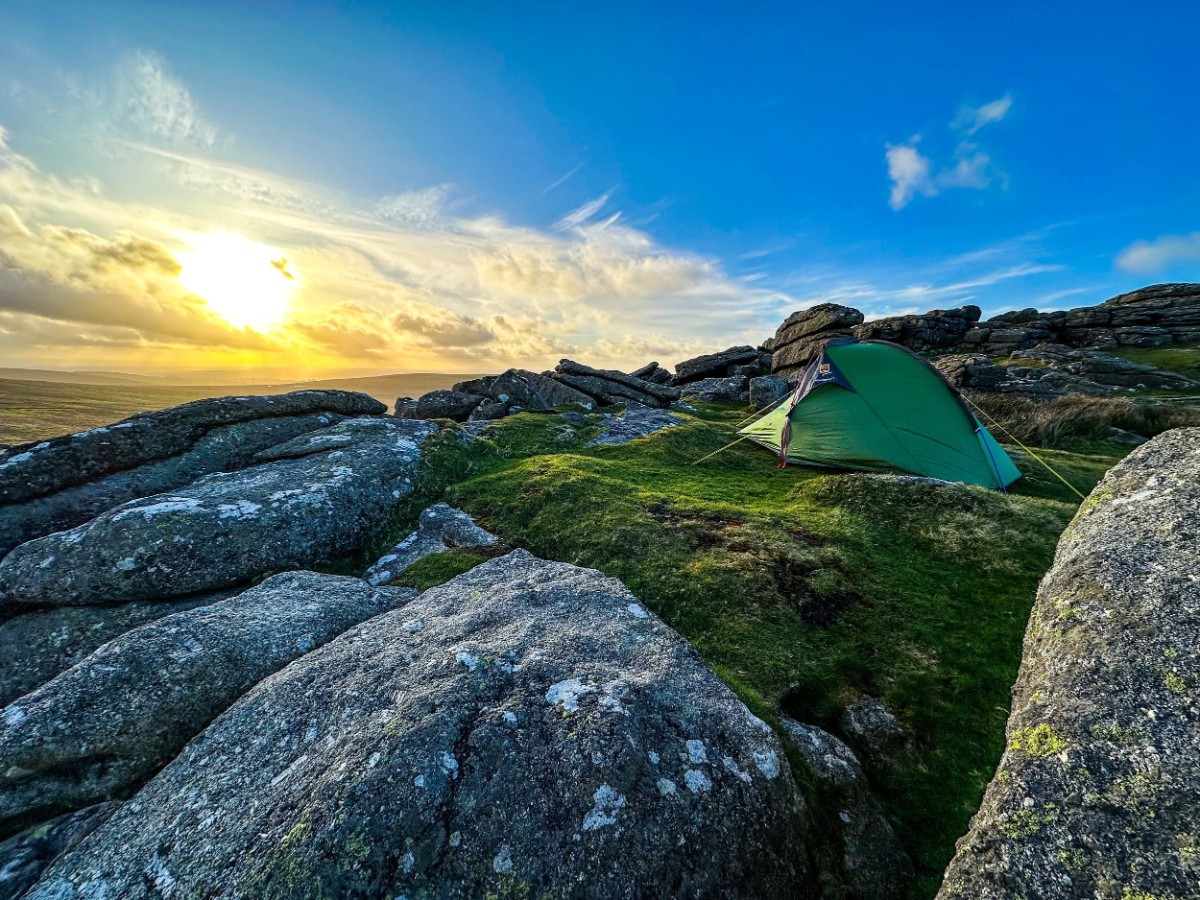 |
Our verdictThe benchmark we judge every other pack against.We have used the Kestrel 48 harder than almost any other pack, for more than five years, and we genuinely cannot fault it. It is comfortable, dependable and tough, and it is familiar in a way only years of use can bring: we know exactly how to pack it, where everything goes and what it can comfortably carry. Nothing has broken, despite heavy loads, rough conditions and a lot of granite. Even after years of testing and using other packs, we keep coming back to it, and it has set a very high bar for anything that follows.Know what you are buying, though. If you normally carry more than 48 litres, downsizing could be frustrating, and bulky luxuries, a large cooking system or specialist photography kit will find the capacity restrictive. It is also not an ultralight pack. But for a couple of nights under the stars with sensible, compact kit, it is exceptionally difficult to beat.Check out the Osprey Kestrel 48 →
FAQs
Is the Osprey Kestrel 48 big enough for camping?Yes, for one or two nights. With a reasonably compact tent, sleeping bag, mat, cooking system, food and clothing it works very well. A large cooking system, lots of food or bulky luxury items can push 48 litres hard.
How much does the Osprey Kestrel 48 weigh?We weighed our Medium at 1,710g. It is not an ultralight pack, but it is a reasonable weight for its level of structure, suspension and durability.
How much weight can the Kestrel 48 carry comfortably?A typical overnight load for us is around 10kg, and we have carried as much as 15–16kg. It has stayed comfortable at both ends of that range.
Is the Osprey Kestrel 48 durable?Very. After more than five years of hard use the zips, buckles, mesh pockets, adjustment systems and raincover all still work, with only a few scuff marks from putting it down on granite and slightly less stretch in the mesh.
Does the Kestrel 48 have a raincover?Yes, an integrated one that lives on the pack permanently, so there is no separate cover to remember. We have found it dependable in typically British wet weather.
Is the Osprey Kestrel 48 worth £200?We think so. We paid less than RRP, but after years of use across Wales, Dartmoor, the Lake District and Scotland we would happily pay the full price for it.
About the Author
Andrew William
Consulting Editor
Andrew William is an outdoor photographer, filmmaker, and drone operator working across the UK outdoor and adventure industry. He works with brands, organisations and expeditions to tell stories through photography and film.
An outdoor gear nerd at heart, Andrew loves testing kit in all conditions, from mountain days to long-distance trails. He’s passionate about adventure, expeditions, endurance and, above all, the people and stories that make getting outdoors so rewarding.