
Andrew William
Consulting Editor
Hiking66°NorthWaterproof Jacket
66°North Snæfell Shell Jacket review: the waterproof that feels like a softshell
Stretchy, quiet and breathable enough to leave on all day, with proper waterproof protection underneath. The catch is a £450 price tag, no pit zips and a hood that isn’t built for a ski helmet.
Most waterproofs ask you to manage them. The 66°North Snæfell Shell Jacket is the one we’ve stopped thinking about. After around two years, it’s the jacket on the coat hook at home and the one we reach for whenever rain is forecast, whether that means Woodbury Common, Dartmoor or simply a walk. It feels more like a comfortable, lightweight softshell than a conventional waterproof, and it still keeps us dry. It isn’t perfect, with no pit zips, a hood that isn’t made for a ski helmet and a hefty price, but it has earned its place.
✓ Top Pick66°North Snæfell Shell Jacket
Waterproofing20,000mmShell typeSoftRRP£450
The good✓ Softshell comfort with waterproof protection
✓ Four-way stretch that moves with you
✓ Quiet fabric, no rustle when the hood is cinched
✓ Breathable enough to wear all day
✓ Kept out rain, sleet and snow on Dartmoor
✓ Packs down well for a technical waterproof
The not-so-good✗ Expensive at £450
✗ Hood isn’t ski-helmet compatible
✗ No pit zips
Check out the 66°North Snæfell Shell Jacket →
At a glance
| Brand | 66°North |
| Model | Snæfell Shell Jacket |
| Fabric | Polartec® Power Shield Pro® (53% polyamide, 47% polyester) |
| Waterproofing | 20,000mm (stated) |
| Breathability | 20K g/m²/24h (stated) |
| Shell type | Soft shell, as classified by 66°North |
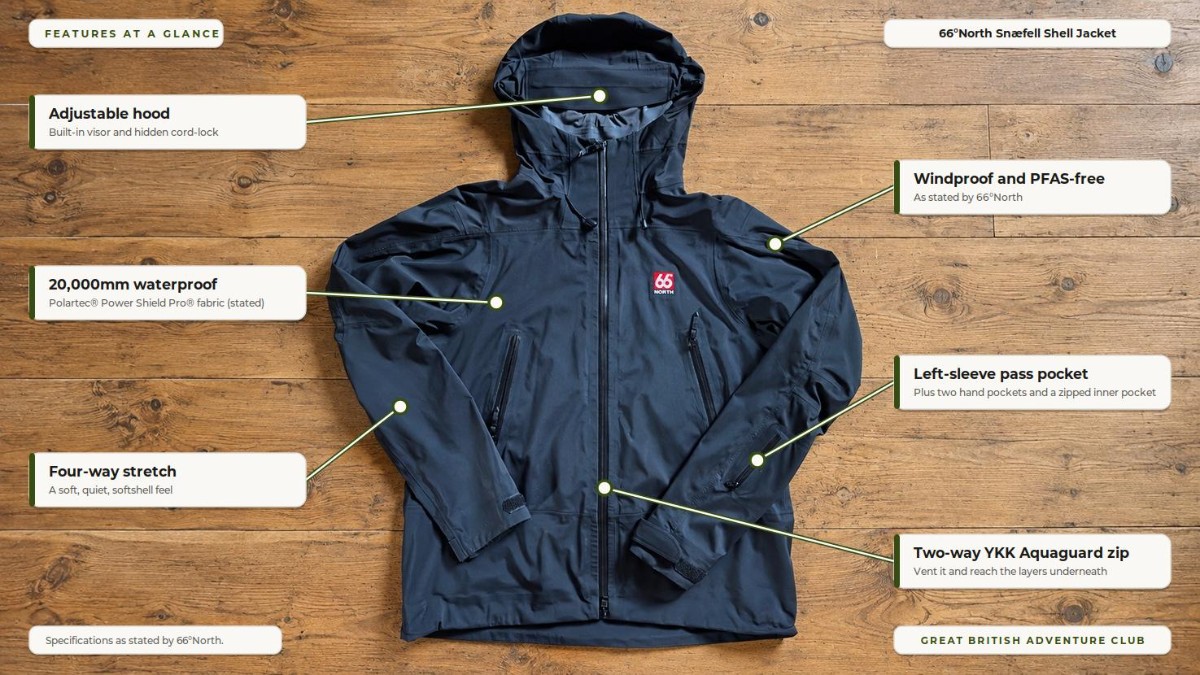
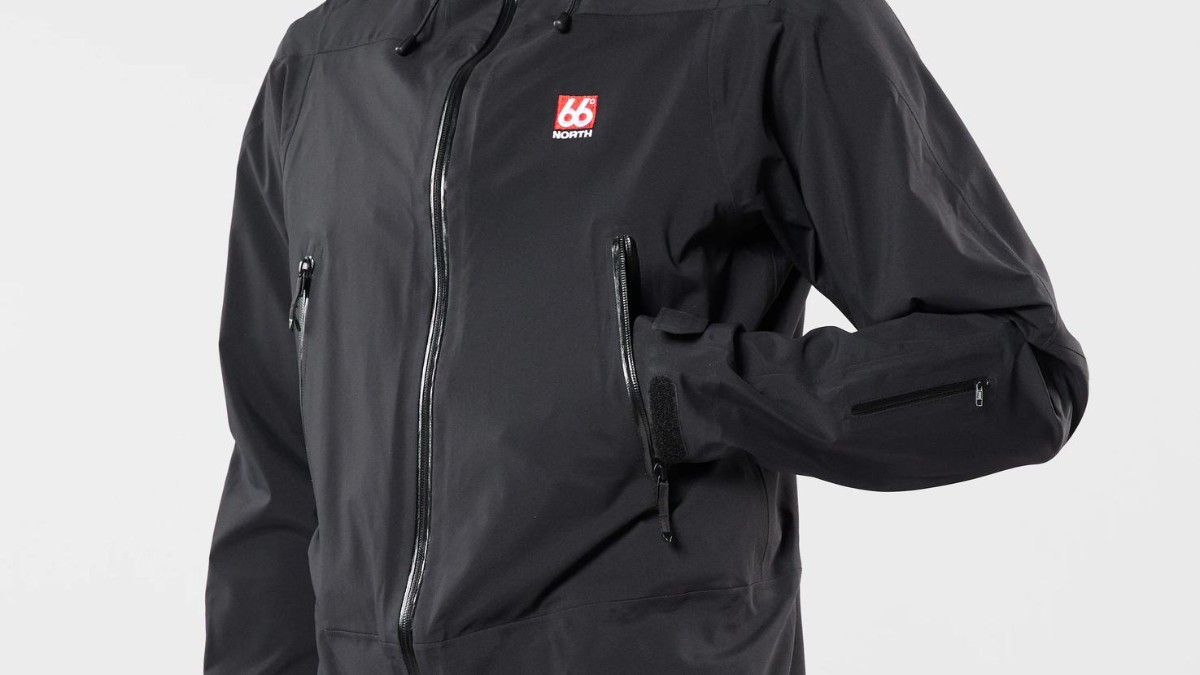
| Hood | Adjustable, with built-in visor and hidden cord-lock |
| Front zip | Two-way YKK Aquaguard |
| Pockets | Two hand pockets, left-sleeve pass pocket, zipped internal pocket |
| Ventilation | Two-way front zip, no pit zips |
| RRP | £450 |
| Ideal for | Changeable-weather walking, coastal paths and everyday outdoor use |
| Not ideal for | Warmth on its own, or ski use with a helmet |
Overview
The Snæfell is a lightweight waterproof designed to combine the protection of a technical shell with the comfort, flexibility and feel of a softshell. It’s made from Polartec® Power Shield Pro® fabric, with a stated 20,000mm waterproof rating and 20K g/m²/24h breathability, and 66°North also describes it as windproof and PFAS-free. Despite that waterproof figure, the brand classifies it as a soft shell, which says a lot about how it’s meant to feel.
66°North was founded in Iceland in 1926 to make protective clothing for fishermen and workers facing the North Atlantic, and that heritage still shows in a brand built around protection, durability and clothing that copes with demanding weather. If the name is new to you, it’s a label with a genuine history of keeping people warm, dry and protected. We first came across it at an outdoor industry event, where the clothing made a real impression, and that led us to the Snæfell. The jacket was introduced in 2011 and features in the brand’s 2026 centenary collection, where a special-edition orange colourway draws on the traditional Icelandic fisherman’s coat.
A note on price
At £450, the Snæfell is undoubtedly an expensive waterproof jacket. It occupies a slightly different space from a conventional hardshell, though. The mix of waterproof protection, breathability, four-way stretch, low noise and softshell comfort makes it unusually versatile, and being able to wear it continuously through changeable conditions, rather than constantly managing a waterproof layer, adds real value in use. The appeal is clearest if you spend a lot of time outdoors and want one jacket for everyday walks and more involved adventures.
At this price we’d have liked a hood built for an alpine helmet, which we’ll come to below. Overall, the performance and versatility make the price defensible for someone who’ll wear it regularly. If you only need an emergency waterproof in the bottom of your pack, or you’ll use it occasionally, a less expensive shell probably makes more sense.
How we tested
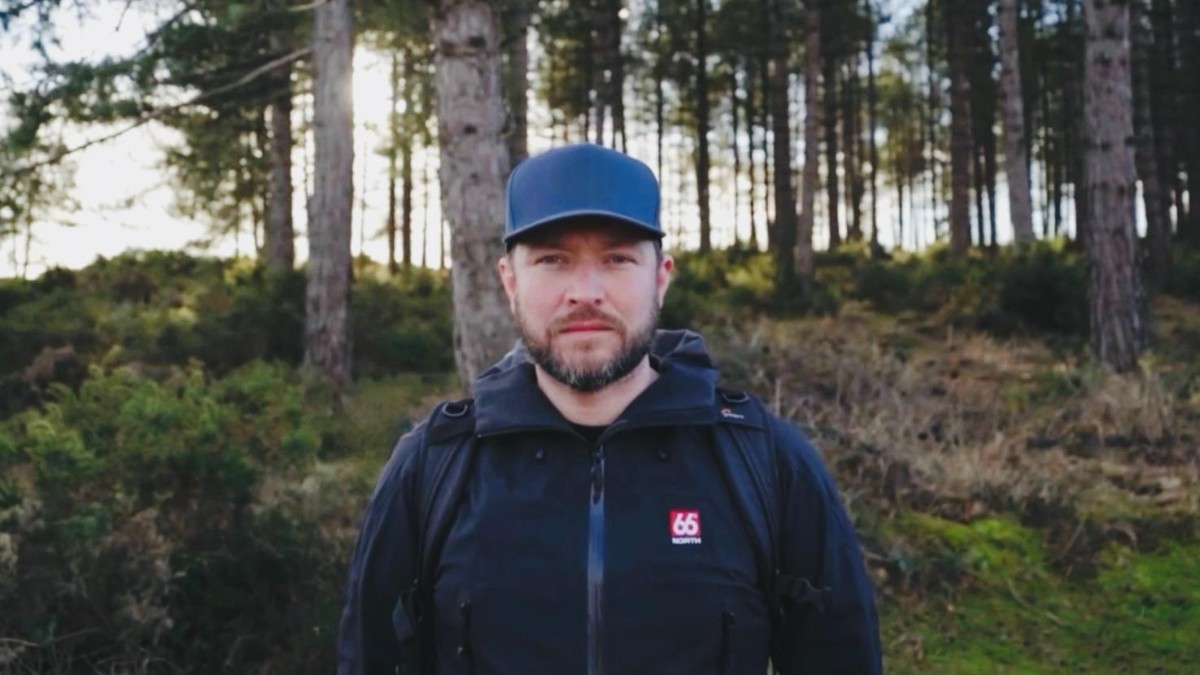
We’ve owned our Snæfell for around two years, which gives a better perspective than a short field test. In that time, it has been used extensively on coastal path walks in changeable weather, with repeated climbs and descents and conditions swinging between rain, wind and drier spells. It proved to be one of the jacket’s strongest use cases. Rather than swapping between a waterproof and another outer layer, we could simply leave it on, and as long as our base layer suited the temperature, it stayed comfortable as our effort and the weather changed.
We’ve also worn it on Dartmoor in mild sleet, snow and typical British icy rain. None of it was extreme winter weather, but it was a useful test of how the jacket copes with cold, wet and changeable conditions. It kept the weather out without becoming excessively warm or getting in the way of temperature regulation. We haven’t taken it into extreme alpine conditions, whiteouts or blizzards, so we can’t speak to those.
Throughout, we paid particular attention to comfort, breathability, freedom of movement and noise, and to how the jacket behaves when it’s worn all the time rather than pulled out as an emergency waterproof.
Features and performance
Fabric and weather protection
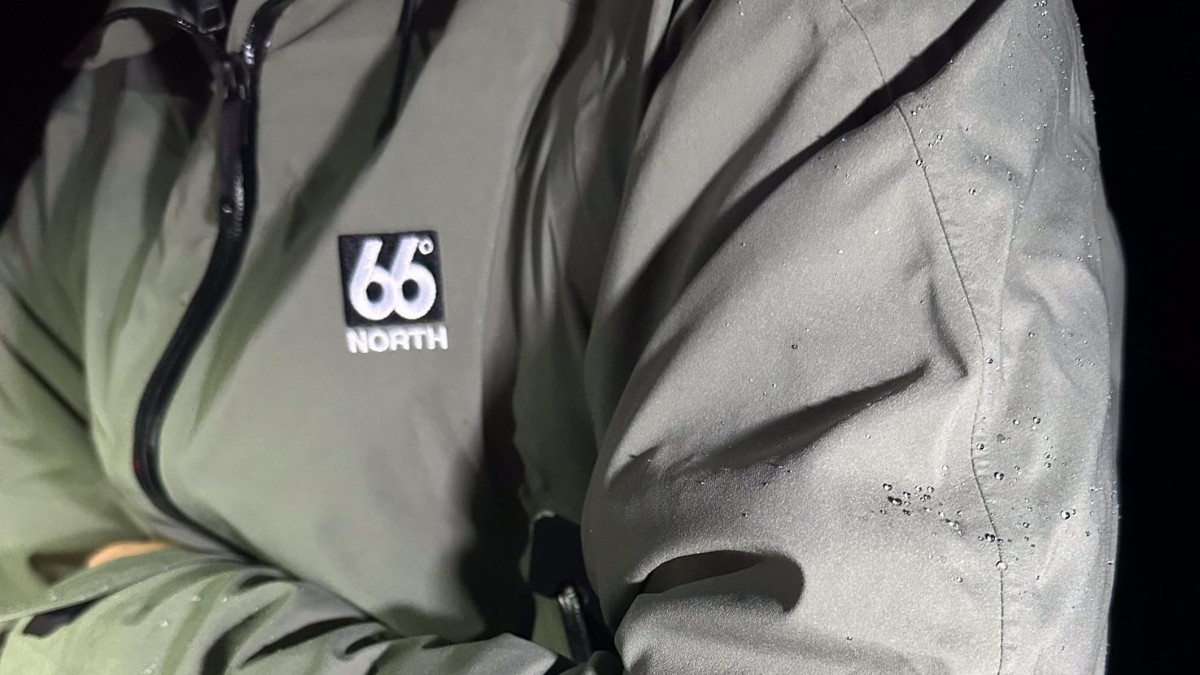
The heart of the jacket is Polartec® Power Shield Pro®, a 53% polyamide, 47% polyester fabric with a stated 20,000mm waterproof rating and 20K g/m²/24h breathability. 66°North also states that it’s windproof and finished with a PFC-free water-repellent treatment. In use, it dealt well with everything we threw at it, including rain, mild sleet, snow and icy rain on Dartmoor. For typical British wet and wintry weather, we found it highly capable, though we can’t vouch for extreme alpine conditions.
Stretch, comfort and noise
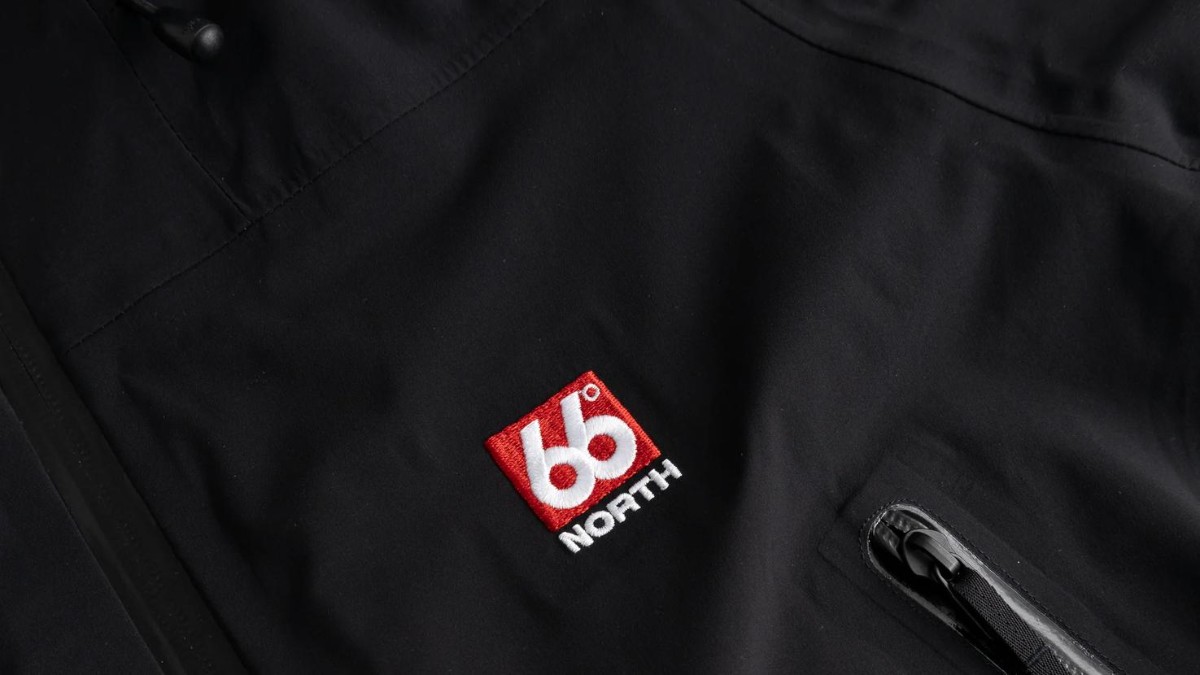
This is where the Snæfell stands apart. The four-way stretch is one of its standout characteristics, and it gives the jacket a distinctly softshell feel despite the waterproof performance. The fabric is soft and remarkably quiet, too. Once the hood is cinched, turning your head from side to side doesn’t produce the rustling you get from stiffer waterproof fabrics.
“It feels less like putting on a waterproof and more like throwing on a comfortable, lightweight softshell.”
The cut helps. Articulated elbows and a regular fit are designed for mobility and for wearing with a rucksack, with room for light to midweight layering. It isn’t an insulating jacket and shouldn’t be treated as one: your base and mid layers need to provide the warmth. What the Snæfell does particularly well is protect those layers from wind and rain without the stiffness of many conventional shells.
Zip, hood and pockets
The two-way YKK Aquaguard front zip allows ventilation and easy access to the layers underneath. The adjustable hood has a built-in visor and a hidden cord-lock system, and it moves naturally with your head. An adjustable hem helps keep out cold air and snow. There are two hand pockets, a pass pocket on the left sleeve and a zipped internal security pocket. The sleeve pocket can be slightly uncomfortable when you lean on that arm, but otherwise the arrangement is practical. It also packs down well for a technical waterproof, which makes it easy to carry when the weather is uncertain.
The catch: ventilation and the helmet question
There are no pit zips. On a technical rain shell that can look like an omission, but the fabric’s breathability meant we never found ourselves wishing for them, and it feels like a deliberate part of the design. Ventilation needs vary with effort and conditions, though, so the lack of mechanical venting may matter more during sustained high-output activity or in warmer weather.
The hood is the bigger frustration. It’s comfortable, quiet and easy to adjust, but it isn’t an alpine-style helmet-compatible hood. That’s a curious choice for a jacket with a ski-pass pocket and stated suitability for skiing. For the slopes, the more practical arrangement would be a beanie under the hood with the helmet worn over the top, though that will depend on your helmet and how it fits.
How it compares
At £450, the Snæfell is the dearest of the obvious alternatives, and the odd one out in character. The Arc’teryx Beta Jacket is the closest on price, at around £350 for a three-layer GORE-TEX shell built as a dedicated mountain waterproof. The Rab Firewall Jacket sits lower at roughly £255, a three-layer Pertex® Shield shell aimed at hillwalkers and climbers, with a helmet-compatible hood the Snæfell doesn’t offer. The Patagonia Torrentshell 3L is the budget route at around £180, a straightforward three-layer rain shell. All three are conventional hardshells, and none is trying to feel like a softshell, which is exactly what sets the Snæfell apart. For a jacket you can wear all day and forget about, the Snæfell is our pick. If you’d rather have a dedicated waterproof that stays in the rucksack until it rains, the Beta is the one we’d look at first.
| Ready for your next adventure?Walk Britain’s national parks with an expert who knows themJoin guided day hikes across the Lake District, Dartmoor, Eryri and more.Browse hiking trips → |  |
Our verdictA waterproof you can forget you’re wearing.If you walk in unpredictable British weather and want one jacket that copes with rain, wind and changing effort without constant layer-swapping, the Snæfell is very hard to beat. It’s stretchy, quiet and comfortable like a softshell, with 20,000mm of stated waterproofing, and after two years it’s still the jacket we instinctively reach for. That, more than any spec sheet, tells us something.It isn’t flawless, and at £450 it isn’t cheap. There are no pit zips, the hood isn’t made for a ski helmet, the sleeve pocket can irritate when you lean on your arm, and it won’t keep you warm without the right layers underneath. If all you need is an emergency waterproof for the bottom of a rucksack, a cheaper shell makes more sense. For regular use in changeable weather, we think the price is defensible.Check out the 66°North Snæfell Shell Jacket →
FAQs
Is the 66°North Snæfell Shell Jacket waterproof?Yes. 66°North states a 20,000mm waterproof rating, and in our testing it kept out rain, mild sleet, snow and icy rain on Dartmoor. We haven’t tested it in extreme alpine conditions, whiteouts or blizzards.
Does the Snæfell have pit zips?No. We didn’t miss them, because the fabric’s breathability was enough for the activities we’ve done, but the lack of mechanical venting may matter more during sustained high-output effort or in warm weather.
What is the fit like, and how much can you layer under it?It’s a regular fit, designed for light to midweight layering and for wearing with a rucksack. It isn’t insulating, so your base and mid layers need to provide the warmth. 66°North advises going down a size if you’re between sizes.
Is the Snæfell suitable for skiing?66°North lists skiing as a use and the jacket has a ski-pass pocket, but the hood isn’t helmet compatible. The practical solution is a beanie under the hood with the helmet over the top, depending on your helmet and fit.
Is the 66°North Snæfell Shell Jacket worth the money?At £450 it’s undoubtedly expensive, but we think the price is defensible if you’ll wear it regularly in changeable weather. If you only need an occasional or emergency waterproof, a cheaper shell makes more sense.
About the Author
Andrew William
Consulting Editor
Andrew William is an outdoor photographer, filmmaker, and drone operator working across the UK outdoor and adventure industry. He works with brands, organisations and expeditions to tell stories through photography and film.
An outdoor gear nerd at heart, Andrew loves testing kit in all conditions, from mountain days to long-distance trails. He’s passionate about adventure, expeditions, endurance and, above all, the people and stories that make getting outdoors so rewarding.